
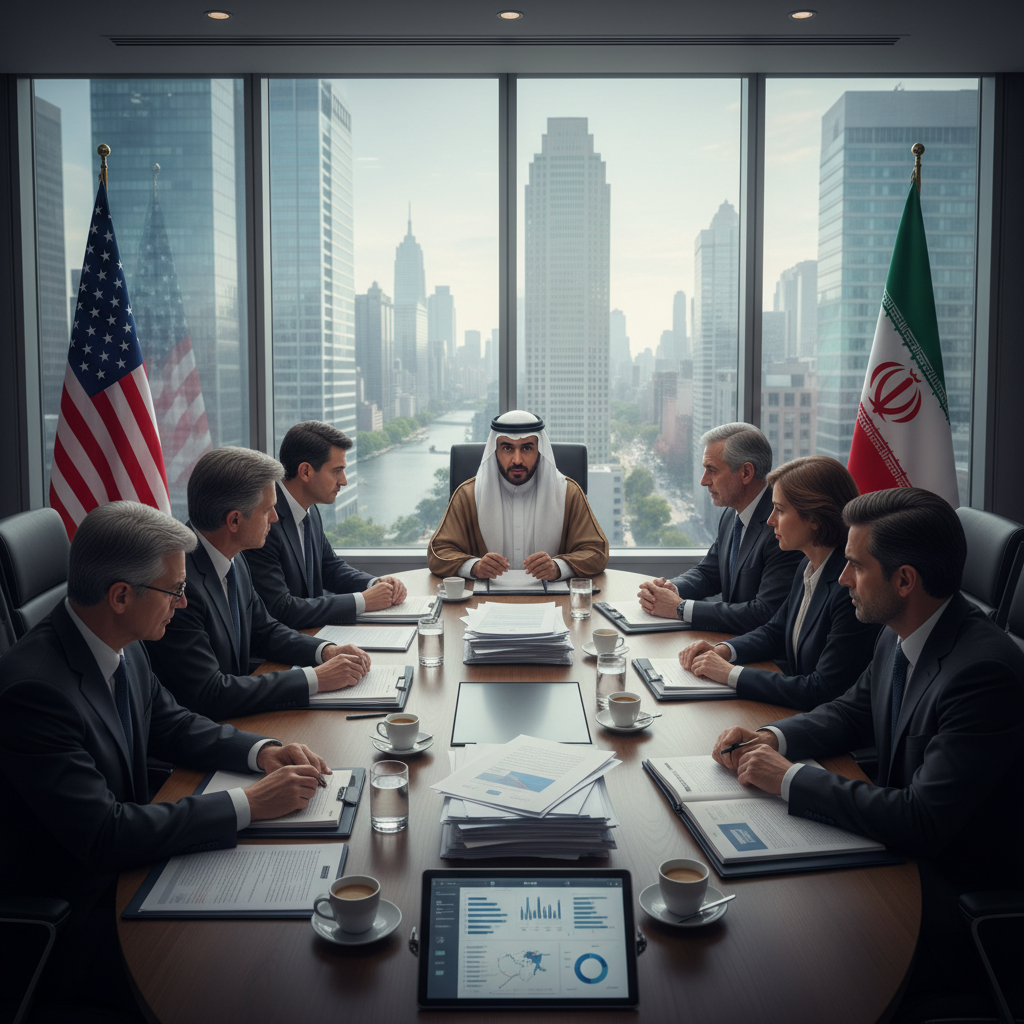
Summary of US-Iran Negotiations
The negotiations between the United States and Iran represent a pivotal moment in their longstanding, distrustful relationship, driven by past confrontations and nuclear ambitions. The 2015 JCPOA aimed to limit Iran’s nuclear capabilities for sanctions relief, but the US exited the agreement in 2018, escalating tensions through a renewed “maximum pressure” campaign. Ongoing negotiations in 2025, mediated by Gulf states, are attempting to address critical issues such as nuclear verification, uranium enrichment limits, and Iran’s regional activities amid significant mistrust and competing demands from both parties.
Current Negotiation Dynamics
As of mid-2025, negotiations are delicately poised between the potential for a diplomatic breakthrough or the risk of military conflict involving the U.S. and Israel. Focused on verification and uranium enrichment, these talks involve high-level discussions and expert meetings facilitated by Omani mediators. The U.S. insists on Iran fully dismantling its nuclear infrastructure and halting support for proxies, while proposing sanctions relief in exchange, maintaining a military pressure strategy that includes the buildup of forces in the Middle East.
Regional and International Mediation Efforts
Gulf Cooperation Council members, particularly Qatar and Oman, are crucial mediators in these negotiations, advocating for dialogue to prevent escalation. Qatar’s proactive diplomacy contrasts with Oman’s traditionally low-profile role, while Saudi Arabia’s geopolitical influence shapes its supportive mediation stance. Additional regional players like Egypt and Turkey also promote de-escalation, emphasizing the importance of collaboration to navigate complex regional dynamics and a shared interest in stability.
Impact of U.S. Presidential Administrations
The approaches of different U.S. administrations have significantly influenced U.S.-Iran relations. The Obama administration negotiated the JCPOA, while the Trump administration’s withdrawal initiated a harsh “maximum pressure” strategy. The Biden administration’s attempt to revive the JCPOA highlights the complexities of re-engagement amid regional tensions and Iran’s international conduct, impacting congressional oversight and alignment with regional allies in negotiating frameworks.
Internal Political Dynamics in Iran
Iran’s internal politics, characterized by power struggles between its supreme leader and government officials, critically influence its negotiation strategies. Internal factions often complicate Iran’s foreign policy decisions, causing potential delays or revisions in response to external pressures. This internal complexity can hinder cohesive dialogue with the U.S. while also providing Iran with strategies to manage blame and maintain leverage during negotiations.
Challenges in Negotiations
Deep mistrust and intricate technical challenges obstruct progress in U.S.-Iran negotiations. Iran’s willingness to negotiate is often hampered by fears of U.S. intentions, alongside the complexities of U.S. sanctions that remain a point of contention. Regional dynamics further complicate discussions, as different states’ interests can undermine or bolster diplomatic efforts. Furthermore, both sides must navigate their internal pressures, public perceptions, and the looming threat of military action, which creates a challenging environment for sustained dialogue.
Prospects for Future Engagement
The future of U.S.-Iran talks remains uncertain, focusing primarily on nuclear-related issues and verification measures. Diplomatic efforts continue through indirect meetings, with the JCPOA serving as a crucial reference point, despite ongoing skepticism regarding its effectiveness. Regional shifts towards prioritizing de-escalation and concerns over broader instability offer a slightly more conducive environment for dialogue, though internal political dynamics within Iran may complicate the nation’s negotiating position moving forward.
The content is provided by Jordan Fields, 11 Minute Read


