Summary
The Anti-Weaponization Fund, created by the U.S. Department of Justice as a result of a settlement from a lawsuit by former President Donald Trump against the IRS, aims to compensate individuals who allege improper targeting by federal agencies. Despite its allocation of up to $1.8 billion, the fund has become controversial due to claims it lacks congressional authorization and may reward misconduct associated with extremism. Various lawsuits have challenged its legitimacy, leading to federal court interventions that halted its establishment, raising significant legal questions about executive powers, separation of powers, and public funding allocation.
Legal Challenges and Uncertainty
Since its announcement, the Anti-Weaponization Fund has faced multiple legal challenges arguing it acts as an improper political compensation scheme. Plaintiffs, including advocacy groups, assert the lawsuit behind the fund is meritless, questioning the legality of the fund’s financing from the Judgment Fund, which is typically used for valid federal settlements. The Department of Justice defends the fund’s creation by citing prior administrative precedents while simultaneously facing a complex legal environment that questions its authority to establish such a program without legislative backing.
Judicial Proceedings and Court Decisions
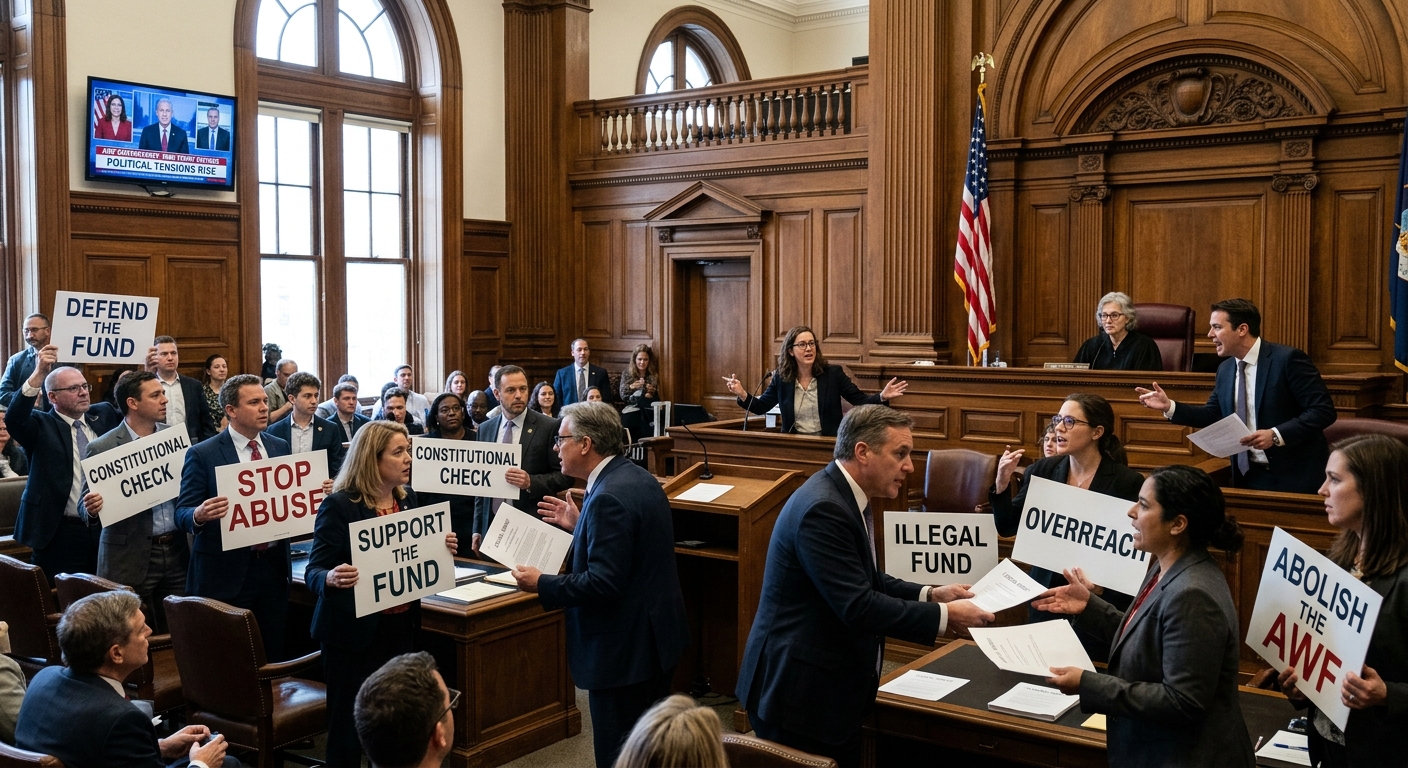
Key judges have been involved in the ongoing litigation regarding the Anti-Weaponization Fund, with U.S. District Judge Leonie Brinkema issuing a temporary restraining order against its creation to prevent irreparable harm until a full legal review can be conducted. Meanwhile, Judge Richard Leon declined an injunction request, but the fund remains blocked under Brinkema’s ruling. This environment highlights the judiciary’s growing caution concerning expansive executive actions and the need for individualized remedies rather than broad injunctions that could affect numerous parties.
Legal Basis and Judicial Reasoning
The foundation of the legal debate revolves around the government’s constitutional authority to allocate and condition funding, as outlined in the Spending Clause. While the Justice Department argues the fund is lawful based on precedents from previous administrations, plaintiffs counter that it violates principles of congressional authorization and accountability. Courts are tasked with balancing their role in ensuring constitutional limits are respected while considering the implications of their rulings on executive functions, particularly regarding potentially unlawful funding schemes.
Future of the Anti-Weaponization Fund
The future of the Anti-Weaponization Fund remains uncertain as the Department of Justice has paused its implementation following judicial scrutiny. The fund’s intended purpose—to provide redress for individuals claiming to be victims of governmental abuse—has been overshadowed by political and legal controversy, raising questions about its structure and legitimacy. Observers are keenly watching how these challenges will influence the administration’s approach to both past grievances and broader issues of executive authority in spending.
Political and Public Reactions
The emergence of the Anti-Weaponization Fund has sparked strong reactions across the political spectrum, with critics voicing concerns about its potential to enable violent groups under the guise of compensation. Critics, including bipartisan lawmakers, argue the fund could misuse taxpayer dollars without proper authorization. In response, the Justice Department positions the fund as a necessary remedy for wrongful targeting, although ongoing legal challenges highlight deep divisions and disagreements about its appropriateness and implications for political accountability.
The content is provided by Avery Redwood, 11 Minute Read