Overview of the Proposed U.S.-Iran Peace Agreement
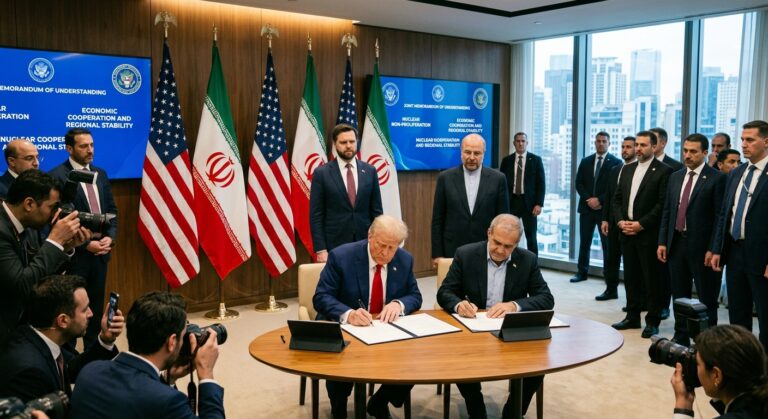
The U.S. and Iran are on the brink of a significant peace agreement, driven by escalated regional tensions and mediation primarily from Pakistan. President Trump indicated a pending deal aimed at reopening the Strait of Hormuz, lifting the U.S. naval blockade, and placing a temporary halt on Iran’s uranium enrichment. While optimism prevails among Pakistani officials about finalizing a memorandum of understanding, Iranian leaders have urged caution, citing ongoing sanctions and domestic opposition as key concerns. This delicate situation illustrates the complex nature of U.S.-Iran relations and highlights the significant challenges both sides face in reaching a durable agreement.
Historical Context of U.S.-Iran Relations
The tumultuous history between the U.S. and Iran began with the 1979 Iranian Revolution and has been marked by conflict, particularly regarding Iran’s nuclear ambitions. Attempts at diplomatic engagement, such as the 2015 Joint Comprehensive Plan of Action, have repeatedly faltered amid rising tensions, including Iran’s support for various militant groups. Recent events, including a prisoner exchange and ongoing regional conflicts, suggest that while avenues for dialogue exist, significant obstacles remain in achieving a long-lasting resolution to the conflict.
Mediation Efforts and Key Players
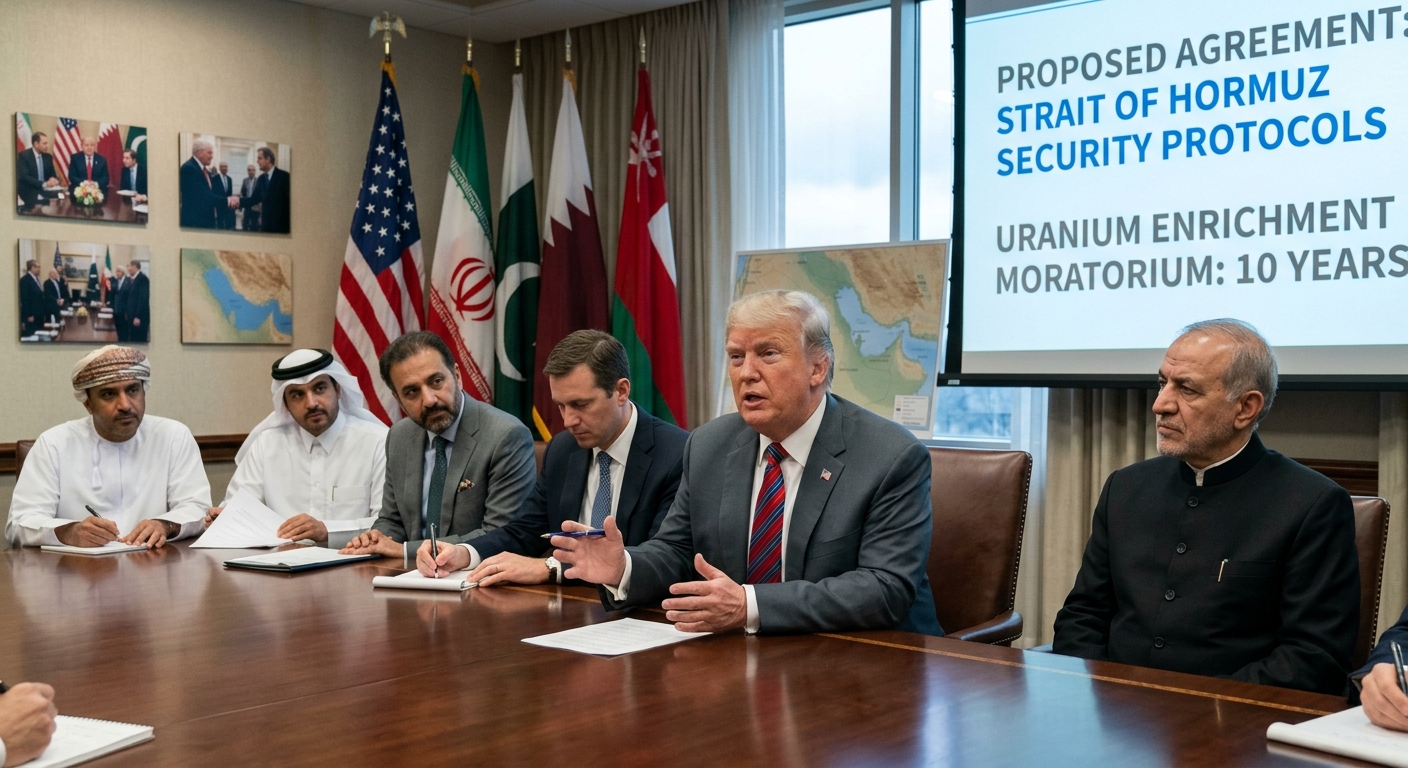
Pakistan has emerged as a central mediator in U.S.-Iran negotiations, supported by efforts from Qatar and Oman. High-level visits from Pakistani leaders have aimed to facilitate dialogue on critical issues such as sanctions relief and maritime security. Despite some positive indications, Iranian hardliners remain skeptical of rapprochement with the U.S., complicating the mediation process. The active involvement of regional actors underscores the shared interest in stabilizing Middle Eastern geopolitics while navigating their own national agendas.
Recent Developments Leading to the Peace Deal Hint
Recent statements by Pakistani Prime Minister Shehbaz Sharif reflect growing optimism about a finalized peace deal. However, Iranian officials have expressed caution regarding the timing due to existing U.S. sanctions and military actions impacting negotiations. The announcement of a potential deal coincided with conflicting claims from U.S. officials, compounding skepticism on the Iranian side. Political factions within Iran also highlight concerns about negotiations potentially sidelining crucial internal political dynamics.
Prospective Terms of the Agreement
The outlined terms of the peace agreement propose a two-stage process, initially focusing on a ceasefire followed by negotiations addressing broader issues, notably Iran’s nuclear program and sanctions relief. Key proposals include reopening the vital Strait of Hormuz and lifting the U.S. blockade on Iranian ports. However, the specific language of the deal remains contentious, with both sides highlighting differing interpretations that could impact long-term compliance and regional stability. The complicated dynamics of the talks reflect both the potential for significant progress and the ongoing challenges that could derail a finalized agreement.
Challenges Ahead for Iran and the U.S.
Iran remains cautious about rushing into a peace agreement, influenced by various internal and external pressures, including sanctions and military actions against allied groups. The Iranian leadership faces significant opposition from hardline factions that resist concessions to the U.S., complicating the political landscape further. As negotiations continue, both sides must navigate not only their conflicting demands but also the intricate web of regional dynamics that influence the feasibility and potential success of any agreement.
Conclusion and Future Outlook
The tentative peace deal between the U.S. and Iran signals a moment of potential diplomatic breakthrough, yet it is clear that substantial hurdles remain. The interplay of internal political pressures within Iran and the ongoing complexities of U.S. strategic interests will play critical roles in shaping the outcome of this negotiation process. Observers remain watchful as both nations engage in a complicated dance toward what could either be a durable peace or another chapter in their protracted conflict.
The content is provided by Jordan Fields, 11 Minute Read