
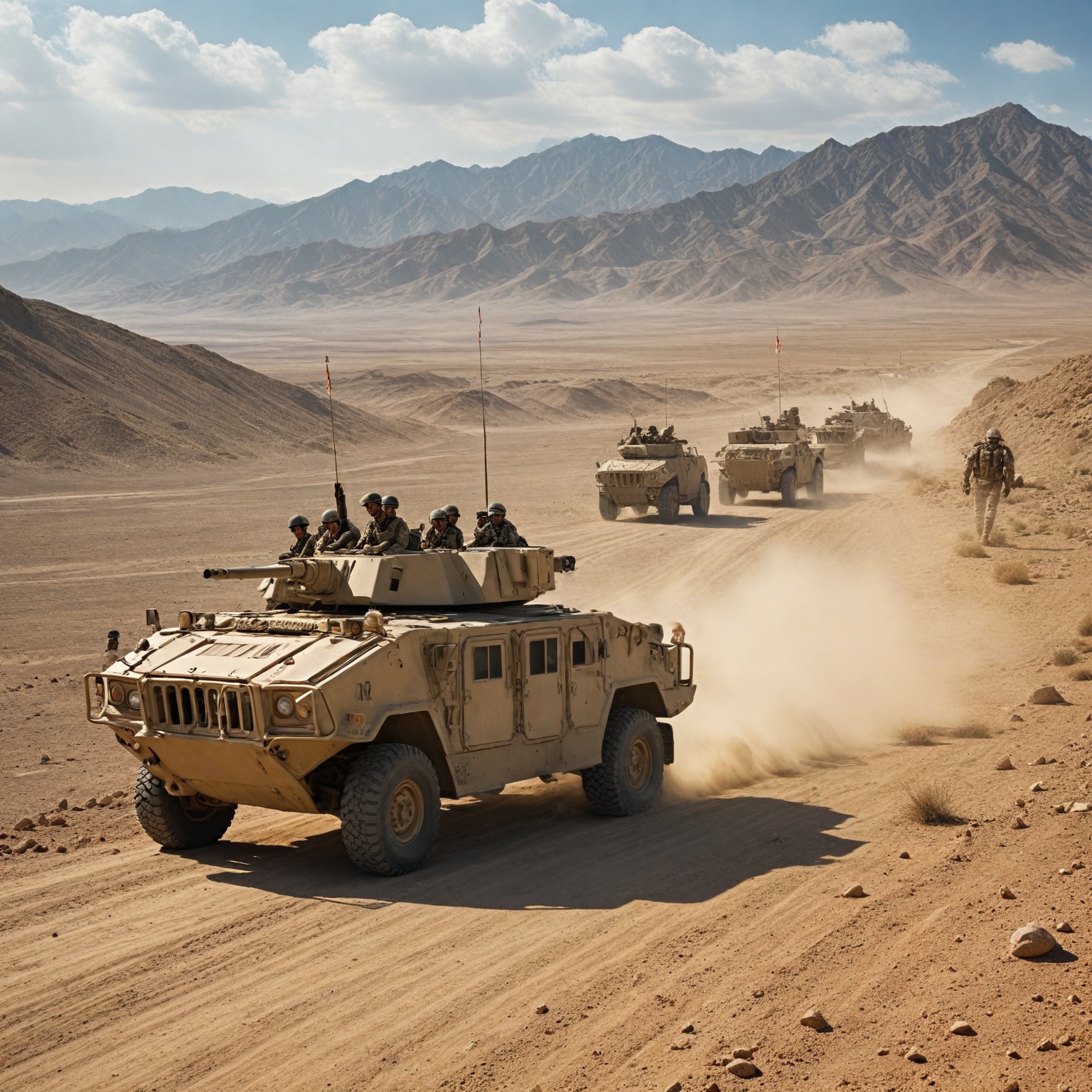
Summary of U.S. Military Deployment
The U.S. has escalated its military presence in the Middle East, sending approximately 50,000 troops amidst growing tensions with Iran and regional conflicts. This deployment, the largest since the 2003 Iraq invasion, aims to deter Iranian aggression and protect vital energy routes like the Strait of Hormuz. With rapid-response units in place, concerns arise about potential escalations and the political risks of deeper military engagement, especially as Iranian threats intensify and regional allies impose operational restrictions.
Background on U.S. Military Presence
The U.S. has maintained a military presence in the Middle East since the late 1950s, significantly expanding after key conflicts. Currently, around 50,000 troops are stationed in various countries, with recent increases responding to Iranian aggressions, such as missile deployments and oil tanker seizures. Challenges arise as Gulf allies limit U.S. operational flexibility due to fears of Iranian retaliation, complicating military strategies in an already tense environment.
Details of Current Troop Deployment
Since October 2023, the U.S. has ramped up its military presence, with additional forces including Marine Expeditionary Units and an Army combat brigade. These deployments offer substantial firepower and logistics support, crucial for potential rapid responses. The naval presence, including aircraft carriers and advanced combat aircraft, enhances deterrence capabilities, while logistics and logistics infrastructure support effective operations across the region. Essential bases, like those in Qatar and Kuwait, facilitate command and operational logistics, ensuring sustained military readiness.
Strategic Objectives behind Deployment
The Pentagon justifies the troop surge in the Middle East as a precaution against escalating Iranian threats. These deployments focus on deterrence, preparing forces to counter missile attacks and protect critical infrastructure. Strategic adjustments also aim to conserve resources while maintaining regional stability, potentially enabling limited military operations instead of prolonged engagements. The context of ongoing military actions, such as harassment from Iranian-backed militias, further complicates the operational landscape.
Regional Responses and Diplomatic Dynamics
The U.S. military buildup has prompted varied reactions from regional actors. Some Gulf states resist involvement in potential U.S. strikes, fearing Iranian retaliation, while Israel supports U.S. efforts to curb Iran’s influence. Iran’s shift to a more offensive posture alongside support from proxy groups escalates the tension. Despite the risk of conflict, diplomatic efforts continue, emphasizing a precarious balance between readiness for military action and engagement through dialogue to prevent escalation.
Risks and Potential Scenarios
Military experts identify significant risks stemming from the U.S. troop build-up, including the possibility of miscalculations leading to broader conflict. The focus on Iranian infrastructure could provoke consequential retaliatory actions, while the varied motivations of regional actors heighten unpredictability. Moreover, this military posture poses strategic risks globally, potentially stretching U.S. resources thin and inviting challenges in other regions. The complex interplay of military, political, and regional dynamics underscores the fragile security landscape in the Middle East.
The content is provided by Harper Eastwood, 11 Minute Read


