
Summary of Economic Policies and Leadership
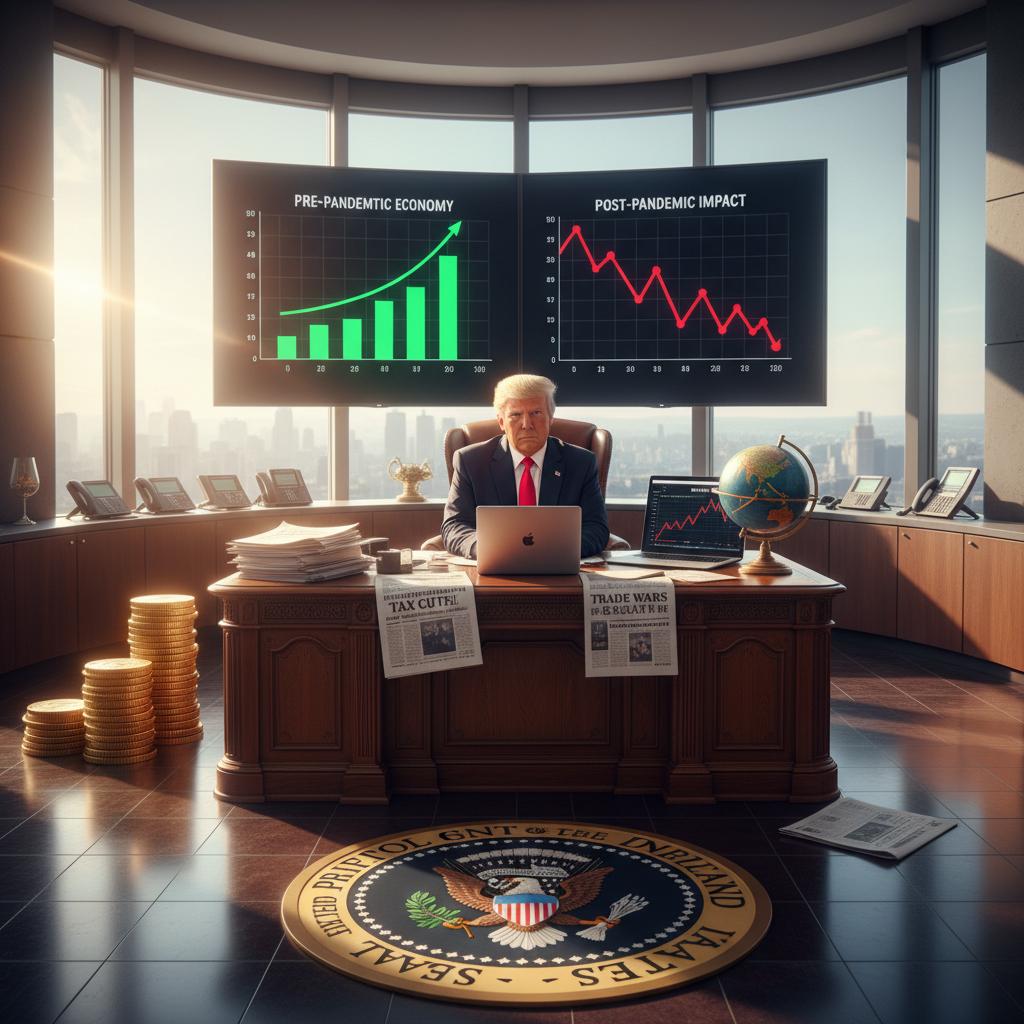
Breaking Down Trump’s Unleashed Presidency: How He Became the Driving Force Behind the Economy delves into the economic strategies and approach of Donald J. Trump during his presidency. His focus on deregulation, tax reform through the 2017 Tax Cuts and Jobs Act (TCJA), and protectionist trade measures aimed to foster growth but resulted in increased federal deficits and mixed long-term economic outcomes. The pandemic compounded these complexities, leading to critiques regarding the sustainability of his policies and their impact on inequality and overall economic stability.
Trump’s Background and Business Influence
Trump’s background in real estate shaped his economic policies, drawing on a family legacy in the industry. His experience managing investments in fluctuating markets provided him insights into the potential impacts of fiscal stimulus and tax incentives on business growth. His assertive, unconventional leadership style often relied on rapid decision-making and fostering debate among advisers, crucially influencing the economic landscape during his administration.
Campaign Promises and Economic Objectives
The 2016 election shifted attention to international trade, with Trump positioning himself against traditional free trade agreements. His campaign promised deregulation and tax cuts to revive American industry, motivating business investment and increasing GDP. However, the long-term implications of these policies raised questions about sustainability and whether they truly fostered broad economic dynamism or predominantly benefited higher-income groups.
Key Economic Policies and Their Impacts
The economic framework of Trump’s presidency centered on significant tax cuts, deregulation, and aggressive trade policies designed to stimulate growth. The TCJA sought to reduce tax burdens and increase investment but contributed to federal deficit increases and uneven benefits across income levels. While the initial effects included rising business confidence and investment, critiques arose regarding the long-term viability of these tax cuts and deregulation plans, which faced legal challenges and fluctuating effects on different economic sectors.
Evolving Economic Outcomes
Economic performance during Trump’s presidency presents a mixed picture. Initially, there was notable GDP growth and increased business investment, influenced partly by tax reforms and deregulation. However, the approach resulted in a rise in federal deficits and a slowdown in growth toward the end of his term, especially with the onset of the COVID-19 pandemic, which exacerbated existing economic vulnerabilities and led to significant GDP contraction.
Political Opposition and Legislative Struggles
Trump faced considerable political and legislative pushback throughout his term, particularly from Democratic lawmakers wary of his policy directions. Multiple initiatives aimed to counteract his administration’s actions, including actions on financial transparency and critique of key appointments. These challenges underscored the contentious political landscape and the polarization surrounding his governance and legislative priorities.
Leadership Style and Implementation Approach
Trump’s leadership style was marked by quick, decisive actions often facilitated through executive orders, allowing for prompt responses to pressing issues. His administration’s focus on economic nationalism and reshoring industries resonated with certain voter bases, bolstering short-term business confidence but raising concerns about broader economic implications and the long-term competitiveness of American industries.
Controversies Surrounding Economic Policies
Trump’s policies often sparked controversies, particularly surrounding trade tariffs and their unintended consequences for consumers and economic signals. The shift toward protectionism diverged from long-standing Republican frameworks and led to debates about its efficacy and long-term implications. Additionally, his unpredictability in leadership and policy decisions further complicated the perception of his economic stewardship and its broader impacts on stability.
Assessing Legacy and Long-Term Effects
The long-term implications of Trump’s presidency for the U.S. economy remain the subject of ongoing analysis. His aggressive policy shifts could undermine sustainable growth and alter the U.S.’s global economic position, reflecting challenges both in terms of domestic fiscal performance and international leadership. For industry professionals, these developments signal the importance of a cautious, long-term perspective as the full effects of his policies continue to unfold in the evolving economic landscape. Trump’s legacy is thus characterized by significant shifts that will influence policy and economic conditions well beyond his administration.
The content is provided by Jordan Fields, 11 Minute Read


