
Summary
The United States Secretary of Defense has reaffirmed a resolute commitment to maintaining American primacy in the Indo-Pacific region by countering China’s growing military and geopolitical influence. Delivered at the 2024 Shangri-La Dialogue, the Defense Secretary’s statement emphasized the urgency of strengthening multilateral defense partnerships with Asian allies to deter China’s assertive actions, including its ambitions over Taiwan and control of the South China Sea. This approach underscores a strategic focus on collective security, military modernization, and interoperability to address what the U.S. Department of Defense identifies as the primary regional challenge: the intensifying strategic competition between democratic and repressive world orders.
Central to the Secretary’s address was a call for Indo-Pacific nations to enhance their defense capabilities and deepen cooperation with the United States and its partners, including Japan, South Korea, Australia, and members of the Quad framework. This multilateral latticework of alliances aims to impose strategic constraints on China’s freedom of maneuver and prevent rapid military advances that could destabilize the region. The speech also highlighted the necessity of modernizing U.S. military forces and fostering advanced defense co-production initiatives to maintain credible deterrence, particularly regarding the defense of Taiwan and the homeland.
The announcement generated mixed reactions across the region. Key U.S. allies such as the Philippines and Japan expressed strong support for expanded defense cooperation and shared security objectives. Conversely, China condemned the U.S. strategy as provocative and warned against escalating tensions, reflecting broader geopolitical frictions between Washington and Beijing. Despite these controversies, the Defense Secretary’s remarks underscore a bipartisan and sustained U.S. policy to uphold a stable and secure Indo-Pacific through robust alliances and strategic resilience.
Looking forward, the United States faces significant challenges in balancing alliance cohesion, overcoming bureaucratic hurdles in intelligence sharing and arms sales, and managing diplomatic sensitivities while pursuing a cohesive defense strategy. Nevertheless, the Secretary’s call to action reflects a long-term U.S. commitment to preserving regional stability by countering China’s ambitions with a united and prepared coalition of Indo-Pacific partners.
Background
The strategic environment of the Indo-Pacific region has become increasingly complex due to rising geopolitical tensions driven by assertive state behavior, cyber intrusions, and economic coercion. This evolving landscape has underscored the importance of robust defense mechanisms and multilateral cooperation among the United States and its allies. The U.S. Department of Defense articulated these concerns in its June 2019 Indo-Pacific Strategy Report, which identifies inter-state strategic competition—particularly between visions of free and repressive world orders—as the primary challenge in the region.
Amid these challenges, the U.S. has emphasized the development of a “latticework” of multilateral defense partnerships with allies and partners to enhance collective security. Such partnerships aim not only to provide a platform for regional order but also to impose strategic constraints on potential adversaries like China, restricting their freedom of maneuver and complicating any attempts at rapid military gains. American allies in Asia have been increasing their own defense investments and deepening military ties, signaling a collective effort to counterbalance China’s ambitions, which include seizing Taiwan, dominating the South China Sea, and undermining U.S. alliances in the region.
The role of the U.S. Secretary of Defense, as the principal defense policymaker and adviser overseeing the Department of Defense, is central to shaping and executing this strategic approach. Recent defense secretaries have underscored the necessity of a strong American presence and commitment in the Indo-Pacific to maintain stability and counter China’s assertiveness, particularly given the strategic competition that has intensified over the past decade.
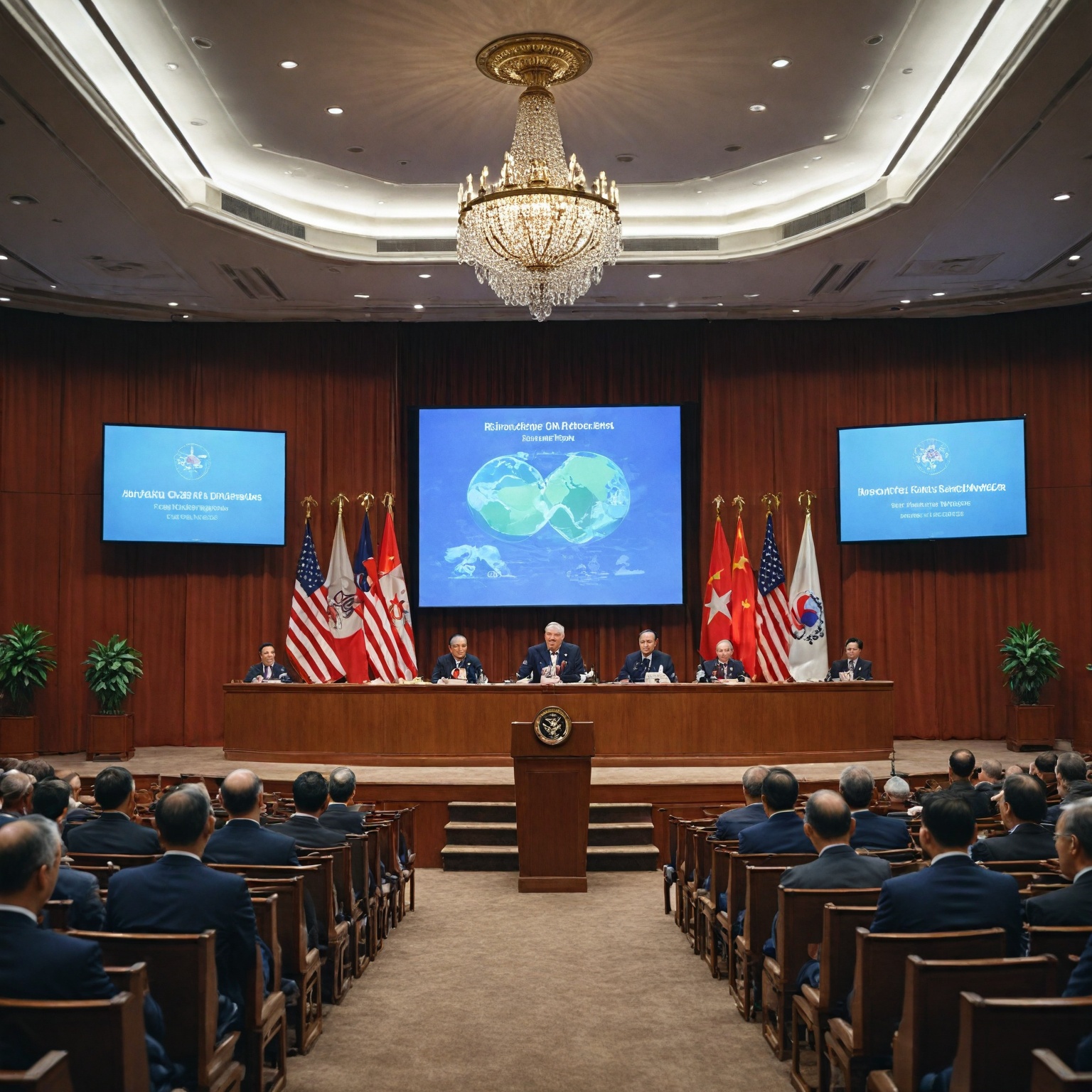
U.S. defense officials have also engaged directly with Asian counterparts at forums such as the Shangri-La Dialogue, Asia’s premier security summit, to reaffirm U.S. commitments and advocate for increased defense cooperation. These efforts are part of a broader strategy to present the United States as a more reliable partner than the Chinese Communist Party and to ensure a united front among allies facing the evolving security challenges in the Indo-Pacific.
Context of the Statement
The US Secretary of Defense’s remarks at the Shangri-La Dialogue hold significant strategic weight as they provide insight into the United States’ approach toward security and cooperation in the Indo-Pacific region. Traditionally, these plenary addresses go beyond enumerating specific policies and initiatives, encompassing broader themes that reflect the US government’s strategic priorities and perspectives on regional threats. The speeches often articulate how the United States positions the Indo-Pacific within its wider foreign policy objectives, emphasize the importance of collaboration with regional allies and partners, and underline the role of shared values in sustaining these relationships.
The Shangri-La Dialogue, held annually in Singapore under the auspices of the International Institute for Strategic Studies, serves as the premier security forum in Asia. It convenes defense ministers, senior military officials, and diplomats from across the globe to discuss critical regional security issues. This event has historically been the platform where successive US defense secretaries outline the Department of Defense’s key strategies for the Indo-Pacific, addressing emerging challenges and reinforcing alliances.
In this context, the US Secretary of Defense’s upcoming address at the 2024 Dialogue, taking place from May 31 to June 1, is particularly noteworthy. With notable figures such as French President Emmanuel Macron slated to deliver keynote speeches, the forum provides a stage for robust engagement on regional security dynamics. The defense secretary’s speech is anticipated to reinforce the United States’ commitment to its Asian allies, explicitly contrasting the US partnership model with that of the Chinese Communist Party, thereby making a case for increased regional cooperation and strength against China’s rising influence.
The significance of these speeches is underscored by precedents such as Secretary Austin’s 2023 address at the Dialogue, which remains a reference point for understanding US defense policy in the region. Such addresses not only outline strategic objectives but also set the tone for future defense and diplomatic engagement. They are closely analyzed for signals regarding the US stance on conflict preparedness and alliance strengthening in response to China’s expanding defense and foreign policy initiatives.
Ultimately, the plenary remarks serve as both a declaration of intent and a measure of the new administration’s ability to follow through on its commitments to Indo-Pacific allies and partners, reaffirming the United States’ strategic resolve in the region.
Key Themes of the Statement
The US Defense Secretary’s plenary remarks at the Shangri-La Dialogue emphasized several strategic priorities regarding the Indo-Pacific region, reflecting both the Biden administration’s broader foreign policy goals and the Pentagon’s military posture. Central to his statement was the urgent need to address the growing threat posed by China, particularly its military modernization and assertive actions in the region. He underscored that China’s determination to safeguard its development interests and maintain its global economic and trade order is “unshakable,” highlighting the seriousness of the challenge the United States faces in countering Beijing’s ambitions.
A major theme was the reinforcement and expansion of multilateral security partnerships with Indo-Pacific allies and partners. The Secretary called for Asian nations to step up their defense capabilities and deepen cooperation, pointing specifically to strengthened ties with Japan, South Korea, Australia, the United Kingdom, and the Philippines, as well as the Indo-Pacific Quad framework. These alliances are considered critical for deterring Chinese aggression and maintaining regional stability. The defense secretary emphasized that the United States must not only maintain but also modernize and integrate its military forces with these allies to restore and sustain American primacy in the region.
The statement also reflected a strategic prioritization of defense objectives. The US military’s foremost missions are to defend the homeland and deny China’s imperial ambitions, with a particular focus on deterring a potential invasion of Taiwan. This focus is driven by concerns that the US can no longer clearly deter China and that the risk of a broader conflict is increasing. The defense secretary advocated for a new defense strategy centered on these priorities, highlighting the need for credible deterrence and preparedness for conflict should deterrence fail.
Additionally, the remarks addressed the evolving nature of China’s military capabilities, including the deployment of advanced weapons like ultra high-speed anti-ship missiles designed to counter US forces. This development underscores the necessity of sustained and enhanced US military modernization and the importance of allied co-production of advanced defense systems to ensure readiness and resilience.
Lastly, the Secretary highlighted the importance of strategic planning, intelligence sharing, and arms sales as key mechanisms to strengthen alliances in peacetime, thereby enhancing deterrence and readiness for potential conflict. He warned that without a robust and integrated collective defense posture, the Indo-Pacific region risks instability and conflict, which would undermine the security of the United States and its allies.
In sum, the key themes of the Defense Secretary’s statement revolved around confronting the China challenge through strengthened multilateral alliances, prioritizing defense of the homeland and Taiwan, modernizing military capabilities, and deepening strategic cooperation with Asian partners to maintain a stable and secure Indo-Pacific.
Specific Calls to Action
The United States has emphasized the necessity for Asian allies to enhance their defense capabilities to effectively deter China’s growing military ambitions and maintain regional stability. U.S. Defense Secretary Lloyd Austin has publicly encouraged partners in the Indo-Pacific to increase cooperation and strengthen their military readiness, highlighting the importance of collective efforts to counterbalance Beijing’s aggressive posture. This call to action includes urging nations to invest more substantially in their defense sectors and deepen security partnerships with the United States and other regional allies.
One major area of focus is the expansion of American military presence and joint operational capabilities within key partner countries, such as the agreement reached with the Philippines to broaden U.S. military access and cooperation. Additionally, trilateral defense relationships involving the United States, Japan, and South Korea, among others, are considered crucial for preventing any potential conflict from escalating into a wider regional war. These alliances are instrumental in enhancing deterrence by ensuring interoperability and coordinated responses.
The United States is also pressing for improvements in strategic planning, intelligence sharing, and arms sales procedures to overcome existing bureaucratic and institutional challenges that hinder effective multilateral defense collaboration. Specifically, reforms aimed at streamlining arms transfers and expanding intelligence cooperation with Asian allies beyond the traditional Five Eyes network are seen as vital steps toward building a more resilient security architecture in the region.
Furthermore, the Biden administration has prioritized deepening defense integration with key partners, exemplified by initiatives such as co-producing advanced missile systems with allies and reconstituting U.S. Forces Japan as a joint force headquarters to better respond to regional threats. These measures are intended not only to enhance immediate military capabilities but also to sustain long-term American primacy and regional stability amid China’s rapid military modernization.
While there are concerns about economic and diplomatic tensions potentially disrupting these efforts, defense cooperation has largely continued with significant continuity across administrations. Leaders in Washington and allied capitals remain committed to a robust collective defense posture, recognizing that without it, the Indo-Pacific faces an increased risk of instability and conflict driven by China’s ambitions to dominate the region, seize Taiwan, and control strategic maritime areas.
Strategic Rationale
The strategic rationale behind the United States’ defense posture in the Indo-Pacific centers on countering the rising geopolitical threat posed by China’s assertive behavior, including military aggression, cyber intrusions, and economic coercion. As the Indo-Pacific reaches a critical juncture marked by intensifying strategic competition, the U.S. views its alliances with regional partners as indispensable to maintaining stability, deterring aggression, and upholding a free and open international order.
Historically, military alliances have been the foundation of regional security; however, evolving threats have made intelligence sharing and multilateral defense partnerships more flexible and politically viable tools for countering hegemonic ambitions. This “latticework” of cooperation among U.S. allies extends American power through interoperability, shared capabilities, and collective responses, thereby restricting China’s freedom of maneuver and complicating any attempts at rapid military conquest, particularly concerning Taiwan.
The United States recognizes the necessity of prioritizing its defense objectives to effectively safeguard its homeland and deny China’s imperial ambitions. This prioritization aims to reverse the erosion of deterrence that has emerged due to years of military overextension and the growing risk of major conflict. A key focus is deterring Beijing from invading Taiwan, which is seen as vital to preserving regional security and global order.
Despite these intentions, challenges such as inadequate intelligence sharing, complicated arms sales processes, and limited strategic coordination among allies continue to impede cooperation. Addressing these issues requires White House-led prioritization of China-focused coordination, reforms to accommodate allied political and economic interests, expansion of regional institutions like AUKUS and the Quad, and strengthening personal relationships among defense and intelligence officials.
Ultimately, without a robust and collective defense commitment, the Indo-Pacific risks descending into instability and conflict, as China remains determined to achieve the “great rejuvenation of the Chinese nation” by seizing Taiwan, asserting control over the South China Sea, weakening U.S. alliances, and dominating the region. This strategic rationale underpins the U.S. Defense Secretary’s calls for Asian allies to increase their defense investments and deepen military collaboration to present a united and victorious front against China’s ambitions.
Reactions and Responses
The announcement by U.S. Defense Secretary Lloyd Austin to strengthen the American military presence and alliances in the Indo-Pacific region has elicited a range of reactions from key regional players and observers. Many Asian allies have welcomed the call for increased defense capabilities and deeper cooperation, viewing it as a necessary step to counterbalance China’s growing assertiveness and territorial ambitions.
In Southeast Asia, the Philippines has been notably supportive. Following the agreement to expand U.S. military presence in the country, Philippine Defense Secretary Carlito Galvez Jr. expressed strong alignment with the U.S. stance, emphasizing the importance of resisting any unilateral attempts to reshape the global order, implicitly referring to China’s actions in the South China Sea. This sentiment was echoed during joint press conferences, where Austin urged regional partners to enhance their defense efforts and strengthen deterrence collectively.
Japan and other Quad members have similarly responded positively, reaffirming their commitment to collective security and intelligence sharing as more flexible tools to counter hegemonic threats. Japan, in particular, has seen increased integration with U.S. forces, including the reconstitution of U.S. Forces Japan as a joint force headquarters, underscoring the prioritization of regional stability and deterrence.
However, reactions from China have been markedly different. The Chinese government downgraded its delegation to the Shangri-La Dialogue and expressed displeasure with U.S. moves perceived as provocative. While a Chinese defense ministry spokesperson stated that China remained “open to communication at all levels,” it also warned Washington against “conjuring up a powerful enemy,” labeling such actions as “irrational and extremely dangerous”. The presence of a large European contingent at the dialogue, including French President Emmanuel Macron, further irked Beijing, signaling growing international concern over China’s regional behavior.
Despite these tensions, U.S. officials maintain that the threat posed by China is imminent and real, emphasizing the need for a united front among Indo-Pacific allies. They argue that China’s persistent efforts to alter the regional balance of power through military force, economic coercion, and cyber intrusions necessitate a robust and coordinated response from the United States and its partners. At the same time, there is recognition that diplomacy remains an important avenue, with calls for peace and dialogue alongside deterrence measures.
Implementation and Execution
The implementation and execution of the United States’ defense strategy in the Indo-Pacific center on reinforcing alliances, enhancing military capabilities, and fostering deeper integration with regional partners. The Secretary of Defense plays a pivotal role in overseeing the Department of Defense (DoD), acting as the principal defense policymaker and adviser to ensure the effective delivery of military forces necessary to deter war and maintain national security.
A key component of the execution involves advancing cooperation with allies through joint production of critical defense technologies. For example, the Biden administration initiated plans to co-produce advanced medium-range air-to-air missiles and Patriot PAC-3 interceptors with allied nations, addressing challenges within the U.S. defense industrial base and enabling scalable, sustainable capability deployment. Rather than reducing these efforts, the Defense Department aims to expand such initiatives to better counter China’s growing military power and assertiveness.
Strategic military posture adjustments also form part of the
Impact and Future Prospects
The United States’ efforts to bolster military alliances in the Indo-Pacific have significant operational and strategic implications, especially in countering China’s growing regional ambitions. Trilateral defense relationships, such as those among the United States, Japan, and South Korea or the Philippines, play a crucial role in deterring China from escalating conflicts into broader regional wars. These partnerships enhance collective defense capabilities, promote interoperability, and extend American power, thereby reinforcing regional stability and supporting a free and open international order.
Despite the clear benefits, several challenges impede optimal cooperation among U.S. allies in the region. Issues such as inadequate intelligence sharing, cumbersome arms sales processes, limited strategic planning, and concerns about U.S. dominance affect the efficacy of joint responses to Chinese activities. Additionally, divergent national priorities and the risk of Chinese countermeasures complicate alliance cohesion. Addressing these challenges will require a White House-led prioritization of coordination efforts, reforms that respect the political and economic needs of partner states, and the strengthening of regional institutions like AUKUS and the Quad. Enhancing personal ties among defense and intelligence officials is also seen as vital to deepening cooperation.
Looking ahead, the United States faces the imperative to prioritize its defense objectives to safeguard its homeland and prevent China’s imperial ambitions. Achieving this will involve not only maintaining but also strengthening alliances and partnerships globally, thereby establishing favorable conditions for lasting peace across critical regions. This is especially urgent given the strains of prolonged military commitments and the interconnected nature of security equilibria across Europe, the Middle East, and the Indo-Pacific.
While skepticism exists regarding the feasibility of deepening these alliances amid political and economic tensions, historical continuity suggests a persistent commitment to collective defense in the region. Even amid fluctuating U.S. administrations, defense cooperation with Indo-Pacific allies remains robust, provided economic measures do not alienate key partners. The expansion of U.S. military presence, as seen in agreements with the Philippines, exemplifies ongoing efforts to solidify strategic footholds essential for countering China’s influence.
In sum, the future prospects of U.S. defense strategy in the Indo-Pacific depend on balancing operational demands with alliance dynamics. Through enhanced institutional frameworks, prioritized coordination, and respect for allied autonomy, the United States aims to sustain a network of partnerships capable of responding effectively to evolving regional challenges posed by China.
The content is provided by Sierra Knightley, 11 Minute Read


