
Summary
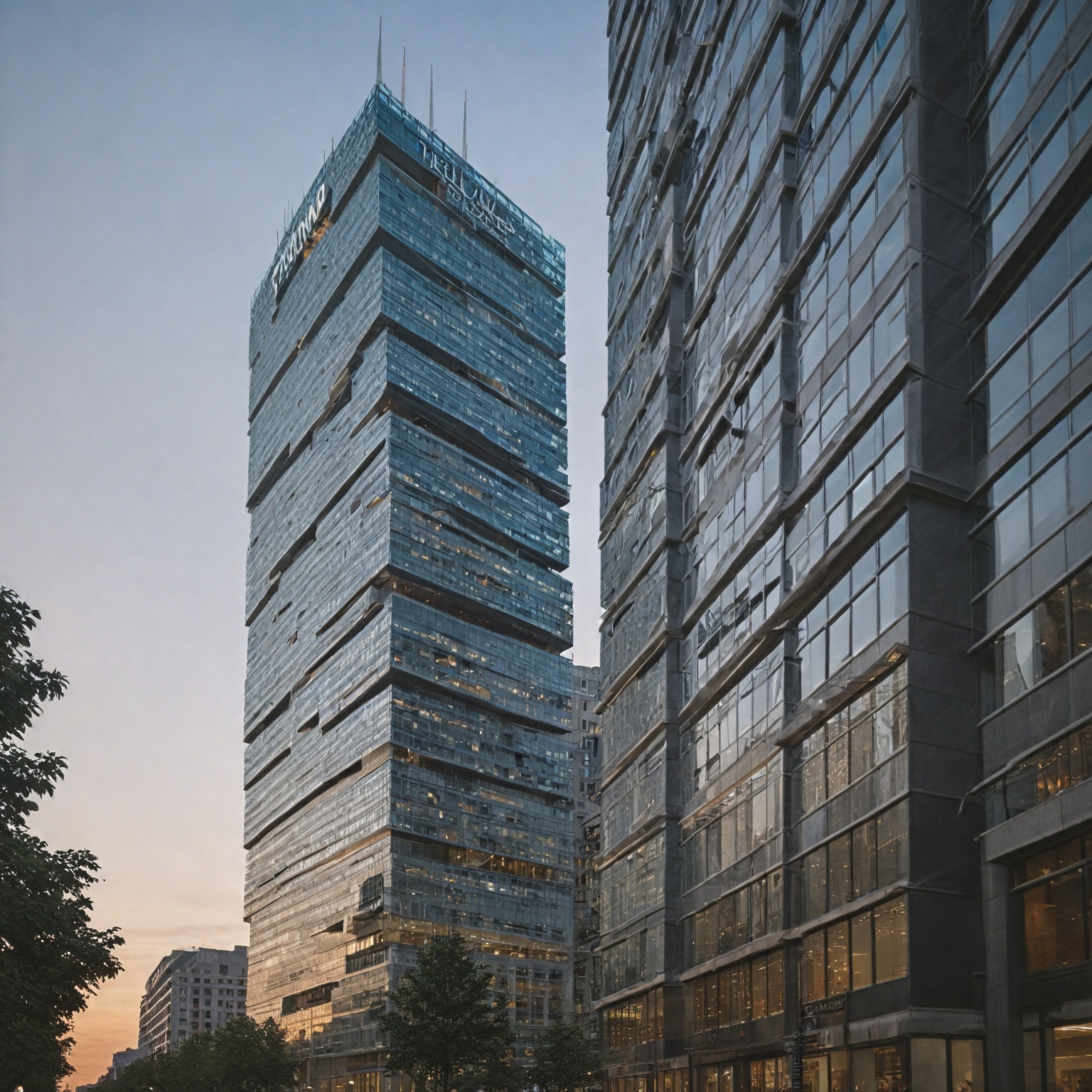
The Trump Organization, in partnership with Romanian developer SDC Imobiliare, has announced plans to construct Trump Tower Bucharest, a luxury residential skyscraper in Romania’s capital. This project marks the Trump brand’s first major entry into the Romanian real estate market, aiming to introduce international standards of luxury living and architectural innovation to Bucharest’s evolving urban landscape. Positioned as a landmark development, Trump Tower Bucharest is set to offer upscale apartments and high-end amenities designed to redefine premium residential living in one of Eastern Europe’s fastest-growing cities.
The collaboration between the Trump Organization and SDC Imobiliare, a leading local developer known for luxury projects, reflects a strategic effort to capitalize on Romania’s emerging market potential despite recent economic slowdowns and political uncertainties. The development aligns with the Trump Organization’s broader global expansion strategy targeting exclusive residential, hospitality, and golf properties in key markets worldwide. Although detailed architectural and timeline specifics remain undisclosed, the project is anticipated to become a prominent feature of Bucharest’s skyline and contribute to the city’s upscale real estate segment.
The initiative has sparked notable controversy amid heightened political tensions between the United States and Romania, including disputes over democratic processes and allegations of foreign interference, which have cast a shadow over the investment climate. Additionally, local community opposition has emerged concerning the tower’s proposed height and potential impact on Bucharest’s historic cityscape, echoing similar criticisms faced by Trump Organization developments globally. The project must navigate Bucharest’s stringent zoning laws and height restrictions intended to preserve cultural heritage while accommodating urban growth, highlighting the complex balance between modernization and preservation.
Despite these challenges, Trump Tower Bucharest represents a significant economic opportunity, with potential to stimulate local construction industries and attract affluent buyers seeking luxury accommodations in Eastern Europe’s second-largest economy. The development underscores the Trump Organization’s commitment to expanding its international footprint through high-profile projects that blend global luxury standards with local market dynamics.
Background
The Trump Organization’s entry into the Romanian real estate market marks a significant development, particularly through its collaboration with SDC Imobiliare, a leading local developer specializing in premium residential and commercial projects. SDC Imobiliare, led by Ștefan Berciu and Ștefania Berciu Martac, has established a strong reputation in luxury property development, and their partnership with the Trump brand aims to introduce international standards of excellence and innovation to Bucharest’s urban landscape. Named Trump Tower Bucharest, the project is set to offer luxury residential apartments and high-end amenities, intending to redefine living standards in the Romanian capital. While details such as the precise location and timeline remain undisclosed, the development is positioned as a landmark venture that reflects both the Trump Organization’s commitment to luxury and the growing vibrancy of Eastern Europe’s real estate market.
The initiative comes at a complex time for Romania, which, despite being the region’s second-largest economy, has experienced recent economic slowdowns influenced by political uncertainties and broader economic concerns. Additionally, the project emerges amid a backdrop of strained U.S.-Romania relations, including tensions over democratic principles and allegations related to election influence, adding a layer of geopolitical context to the real estate endeavor.
Historically, projects of significant scale in Bucharest have occasionally faced opposition from local communities, concerned about issues such as the impact on cityscape and overshadowing of notable landmarks. For instance, earlier constructions faced resistance from prominent figures and neighborhood groups due to their height and architectural features, highlighting the sensitivity surrounding urban development in the city. Although specific local reactions to Trump Tower Bucharest have yet to be widely reported, these precedents underline the potential challenges large developments may encounter in Bucharest’s urban environment.
Announcement of the Project
The Trump Organization, in partnership with SDC Imobiliare, a prominent luxury real estate developer in Romania, officially announced the launch of the Trump Tower Bucharest project. This initiative marks the Trump brand’s first entry into the Romanian market and aligns with its global expansion strategy focused on luxury residential, hospitality, and golf developments. The project is set to be developed in the heart of Bucharest, one of Europe’s most vibrant and rapidly growing emerging markets, aiming to introduce premium residences under the Trump name to the region.
According to Ștefan Berciu, CEO of SDC Imobiliare, the collaboration reflects mutual trust and a shared vision for elevating Romania’s real estate sector. He expressed enthusiasm about bringing the Trump Organization’s international standards to the local market and contributing to the creation of landmark developments that will raise the bar for luxury living. Trump Tower Bucharest will feature luxury residential apartments and a range of high-end amenities, designed to set new benchmarks in architectural innovation, personalized services, and exclusive lifestyle experiences for both residents and guests.
Project Description
Trump Tower Bucharest is an upcoming luxury residential development located in the heart of Romania’s capital. The project is a collaboration between The Trump Organization and Romanian real estate developer SDC Imobiliare, one of the country’s leading companies in the premium residential, hospitality, and commercial real estate sectors. This partnership marks the first time the Trump brand will be introduced to the Romanian market, aiming to set new standards in architectural design and lifestyle offerings.
The tower will feature upscale residential apartments complemented by exclusive amenities designed to provide personalized services and exceptional lifestyle experiences for both residents and guests. SDC Imobiliare’s CEO, Ștefan Berciu, emphasized the shared vision between the two organizations to elevate Romania’s luxury real estate market through this landmark project. Although specific architectural details remain forthcoming, the development is positioned to become an iconic addition to Bucharest’s skyline, reflecting both international luxury standards and local market sophistication. The project continues the Trump Portfolio’s global expansion strategy, which focuses on exclusive residential, golf, and hotel properties in prestigious locations worldwide.
Zoning, Regulations, and Urban Impact
Zoning laws and height restrictions play a significant role in shaping the urban landscape and architectural character of cities worldwide, including Bucharest. In many cities, these regulations are implemented to preserve historic skylines and prevent the overshadowing of cultural landmarks. For example, Yangon restricts building heights to a maximum of 127 meters above sea level to protect the visibility of the Shwedagon Pagoda, while Intramuros in Manila enforces a structural height limit of 30 meters for most buildings to maintain its heritage ambiance. Similarly, Athens limits buildings to twelve floors to preserve views of the Parthenon, with few exceptions such as the Athens Tower.
In Bucharest, buildings under construction planned to rise at least 60 meters are tracked with a cutoff at 15 stories for those without disclosed heights, indicating an active yet regulated skyline development. Height restrictions and zoning regulations can have complex effects on urban growth; while they contribute to preserving cultural heritage, they have also been linked to increased housing costs, restricted supply, and urban sprawl, as seen in cities like Amman and Davao City. In China, population-dependent height restrictions introduced in 2020 further exemplify how regulatory measures can influence urban density and growth patterns.
The proposed Trump Tower Bucharest is expected to rise within this regulatory framework, aiming to set a new standard in architectural design and luxury residential living. Its development underscores the balance that must be struck between innovative urban projects and adherence to zoning laws designed to protect a city’s identity and livability. Understanding and navigating these regulations remain crucial for developers to successfully integrate such landmark constructions into Bucharest’s evolving cityscape.
Economic and Market Impact
The Trump Organization’s planned development of a luxury apartment tower, Trump Tower Bucharest, represents a significant entry into the Romanian real estate market, reflecting an ambition to capitalize on the region’s premium residential demand despite existing economic and political challenges. This venture, in partnership with Romanian developer SDC Imobiliare, aims to deliver upscale residences in Romania’s capital, a market noted as the second-largest economy in Eastern Europe, albeit one currently experiencing stalled growth due to political uncertainties and broader economic concerns.
The project is positioned to enhance the luxury property segment in Bucharest, potentially attracting both domestic and international buyers seeking high-end accommodations. Although specific details such as the project’s exact location and timeline remain undisclosed, the Trump Organization’s reputation for premium developments and its ongoing global licensing initiatives—which include 33 projects and seven “condo hotels”—underscore its strategy to expand its footprint in emerging markets.
However, the timing of this venture coincides with heightened U.S.-Romania tensions over democratic principles and alleged electoral influence, factors that may influence investor confidence and market dynamics in the region. The economic implications extend beyond real estate, as the development could stimulate local construction industries and ancillary services, potentially contributing to job creation and economic activity in Bucharest.
Public and Governmental Reactions
The announcement of the Trump Organization’s plans for a luxurious tower block in Bucharest, Romania, sparked a range of reactions from both local residents and governmental bodies. Prior to construction, many neighbors expressed strong opposition to the project, primarily concerned about the tower’s height and its architectural impact on the cityscape. Critics argued that the building’s imposing height would overshadow significant landmarks, echoing sentiments seen in other cities where Trump developments faced scrutiny. For example, in New York City, the planned Trump Tower faced similar challenges, with opponents worried that it would alter the character of Fifth Avenue and dwarf nearby structures, such as the United Nations Secretariat Building across the street.
Local community members in Bucharest took active steps to voice their dissent, including raising funds to oppose the development. A notable example of civic engagement was the fundraising effort by East Side neighbors, who collected approximately $400,000 in opposition to the tower, demonstrating the level of concern within the community. Prominent figures, including veteran journalist Walter Cronkite, also joined the opposition, highlighting the symbolic significance of the debate surrounding the project’s impact on the urban environment.
From a governmental standpoint, the project required navigating Bucharest’s regulatory framework and zoning policies. The city’s administrative bodies, responsible for overseeing urban planning and building regulations, were compelled to balance development ambitions with preservation concerns. Bucharest’s zoning ordinances have traditionally aimed to protect the city’s architectural heritage while accommodating modern growth, a challenge mirrored in other global cities where height restrictions and urban sprawl have been contentious issues.
The public debate around the Trump Organization’s Bucharest tower reflects broader tensions seen internationally regarding high-rise developments. In cities like Yangon and Manila, height restrictions have been implemented to preserve cultural landmarks and manage urban density, often leading to complex negotiations between developers, residents, and regulators. Critics argue that such regulations, while preserving heritage, can inflate housing prices and limit housing supply, issues that Bucharest may also face amid this new development.
Construction and Development Timeline
The Trump Organization announced a partnership with Romanian real estate developer SDC Imobiliare to construct a new tower block featuring luxury apartments in Bucharest, Romania. This collaboration was publicly revealed in mid-2025, marking a significant expansion of the Trump Organization’s international real estate portfolio.
The project aims to bring upscale residential living to the Romanian capital, leveraging the Trump Organization’s established reputation for luxury developments. The construction timeline was initiated shortly after the announcement, with the goal of completing the tower within a few years, although exact completion dates have not been specified.
This new development follows the Trump Organization’s tradition of incorporating distinctive architectural features into their buildings. For example, previous projects such as the Trump Tower in New York City utilized complex massing designs with multiple setbacks and terraces to maximize window exposure and floor area. It is expected that the Bucharest tower will similarly emphasize luxury and unique design elements to appeal to affluent buyers.
The announcement and early phases of development have been accompanied by optimistic statements from the Trump Organization, emphasizing their excitement about building upon their relationships with renowned developers and delivering exquisite living spaces for future residents. This project aligns with the Organization’s ongoing strategy of expanding luxury real estate offerings globally while maintaining high standards recognized in properties such as the Trump International Hotel & Tower Chicago, which received a Forbes Travel Guide Five-Star rating in 2024.
Comparative Analysis
Trump Tower Bucharest represents a significant milestone for the Trump Organization as it marks the brand’s first major entry into Romania’s real estate market, aiming to introduce international standards of luxury living to the region. Unlike previous Trump developments, which have often focused on established luxury markets such as the United States and select global cities, this project reflects a strategic expansion into emerging European capitals, showcasing a blend of architectural innovation and exclusive lifestyle experiences tailored specifically for Bucharest.
In comparison to other Trump properties worldwide, Trump Tower Bucharest emphasizes a strong collaboration with local partners, notably SDC Imobiliare, highlighting mutual trust and a shared vision for raising the bar in Romania’s luxury residential sector. This partnership contrasts with some earlier projects where the Trump Organization primarily acted as a licensing partner rather than a direct developer, indicating a more hands-on approach in this instance.
Furthermore, Trump Tower Bucharest’s focus on personalized services and bespoke amenities seeks to set it apart from typical luxury developments in the region, positioning it as a landmark destination within Bucharest’s evolving skyline. While many Trump developments worldwide are located in global hubs known for tourism and business, this project uniquely aims to redefine luxury living in a city that is rapidly growing but has yet to be widely recognized for such high-end residential offerings.
Controversies and Criticism
The Trump Organization’s plan to build a tower block in Bucharest, Romania, has been met with controversy and criticism from multiple fronts. The project has drawn attention amid broader political tensions involving Romania, particularly concerning democratic processes and alleged foreign interference. Romania, an EU and NATO member, became the center of a dispute after its constitutional court canceled a presidential election over suspicions of Russian meddling—a move criticized by U.S. Vice President JD Vance as based on “flimsy evidence” and indicative of a divergence from American democratic values. This political climate has heightened scrutiny of the Trump Organization’s investments in the country.
Local opposition has also emerged, echoing historical concerns similar to those raised in other Trump Organization developments. Critics worry that the tower’s height and design may negatively impact the urban landscape, overshadowing significant landmarks and altering the city’s character. This echoes previous opposition to Trump projects elsewhere, where neighbors and community members expressed concern over building scale and aesthetics. Although specific local protests against the Bucharest tower have not been as extensively documented, the precedent of opposition to Trump developments suggests potential challenges ahead.
Moreover, the project has sparked debate regarding Romania’s housing policies and urban development regulations, which have recently become contentious due to restrictions on building heights intended to manage housing supply and costs. The proposed tower could be seen as conflicting with these regulations, raising questions about regulatory compliance and urban planning priorities.
Sustainability and Environmental Considerations
The Trump Organization’s new residential and hotel developments in Bucharest are positioned within a complex regulatory environment that increasingly emphasizes sustainability and urban planning controls. Notably, the city has implemented height restriction laws aimed at controlling urban density, which have implications for housing supply, costs, and land values. These regulations, established in 2020, limit building heights depending on city population and reflect a broader effort to balance development with environmental and social concerns.
While specific sustainability features of the Trump Tower Bucharest project have not been fully disclosed, the development’s positioning as a luxury and innovative residence suggests a commitment to modern building standards that likely incorporate energy efficiency and environmental design principles. Such an approach aligns with the growing trend among prestigious global developments to integrate sustainable practices into their construction and operation.
The collaboration between The Trump Organization and SDC Imobiliare aims not only to redefine luxury living but also to set a benchmark for responsible urban development within Bucharest’s evolving regulatory landscape. This includes adhering to height restrictions and potentially embracing design solutions that mitigate environmental impact, thereby supporting the city’s broader sustainability goals.
Future Prospects
The Trump Organization has announced plans to develop Trump Tower Bucharest, a luxury residential and mixed-use project situated in the heart of Romania’s capital. This venture represents a strategic expansion of the organization’s international portfolio, aligning with its vision to establish world-class residential, hospitality, and golf properties in key global markets. The development aims to set a new benchmark in architectural
The content is provided by Blake Sterling, 11 Minute Read


