
Summary
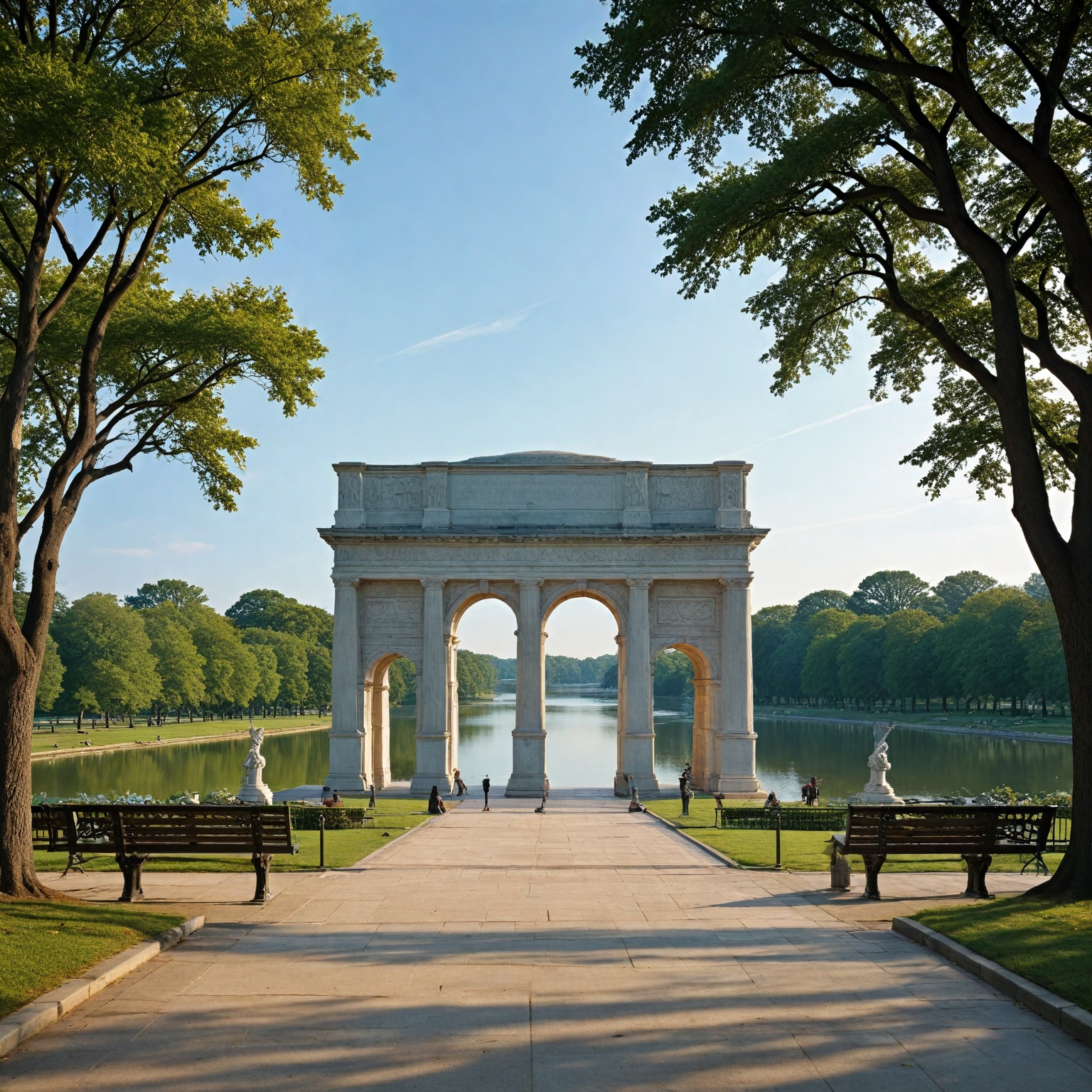
The proposed 250-foot triumphal arch in Washington, D.C., is designed to honor the 250th anniversary of the United States Declaration of Independence. Situated near the Potomac River at Memorial Circle, the arch features classical Roman elements, including gilded eagles and a Lady Liberty statue, intending to symbolize national unity. However, its placement across from the Lincoln Memorial raises concerns regarding obstructing historical sightlines and raises significant controversy over its imperial symbolism, environmental impact, and necessary legal approvals.
Design and Features
Architected by Harrison Design, the arch showcases traditional triumphal design while incorporating patriotic elements. At 250 feet, it surpasses the height of the Arc de Triomphe, with features such as gilded eagles and the inscription “ONE NATION UNDER GOD.” This scale aims to present a grand and unifying symbol but has sparked concerns about its dominance in the historic landscape of the National Mall.
Location and Site Implications
The arch is to be located on Columbia Island at Memorial Circle, a site known for connecting D.C. and Northern Virginia, which enhances its visibility. However, critics argue it may obstruct the long-standing sightline between the Lincoln Memorial and Arlington National Cemetery, a historically significant visual corridor. The surrounding area is relatively less regulated compared to the National Mall, allowing for greater construction flexibility, though this has fueled debates on potential visual and cultural disruptions.
Controversies and Public Reception
The proposal has sparked divided opinions, with supporters viewing it as a grand addition to the nation’s capital, while opponents criticize its scale and imagery, suggesting a conflict with democratic values. Environmental concerns regarding the arch’s impact on the Potomac ecosystem have also been raised. Legal challenges from veterans and historians emphasize the need for congressional approval, further complicating the project’s future and reflecting broader tensions about monument symbolism and national heritage.
Political and Cultural Significance
This arch carries significant political weight as a celebration of American independence and identity, yet its imperial connotations raise questions about appropriateness in a democratic context. Critics suggest that its design may evoke imperial narratives, while supporters believe it can symbolize unity. Legal and environmental considerations remain integral in evaluating its potential impact on D.C.’s cultural landscape.
Comparative Architecture
Triumphal arches historically serve as symbols of national pride and authority, yet this proposed structure differs in both scale and context from existing D.C. memorials. While its height will make it one of the tallest monuments, concerns exist about its potential to overshadow historical landmarks and disrupt the area’s visual harmony. This new monument embodies contemporary political aspirations while reinterpreting traditional themes of power and glory associated with triumphal architecture.
The content is provided by Sierra Knightley, 11 Minute Read


