Summary of the Israel-Hezbollah Conflict
The Israel-Hezbollah conflict in southern Lebanon intensified sharply following the October 7, 2023, war, with Hezbollah launching thousands of attacks into northern Israel, prompting significant Israeli military responses. Despite a ceasefire in November 2024, hostilities have continued, with Israel increasing troop presence along the Lebanon border due to ongoing tensions. Drone warfare has become a prominent feature, with Hezbollah employing drones targeting both Israeli and U.S. forces, leading Israel to advance counter-drone technologies. The humanitarian toll on Lebanon is severe, with over a million displaced and critical healthcare disruptions, amid an assertion of state authority by the Lebanese government over Hezbollah’s military actions.
The Intensifying Hostilities
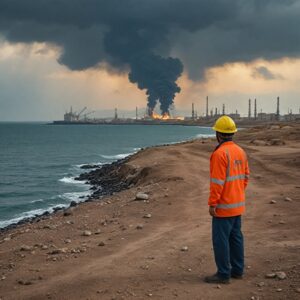
The conflict escalated significantly after Hezbollah’s intervention in the Middle Eastern war. The group launched approximately 1,900 attacks between October 2023 and September 2024, leading to a substantial Israeli military response. Despite a ceasefire agreement, Israeli strikes persisted, particularly after a U.S.-Israeli campaign against Iran in early 2026. This situation has drastically affected civilian areas and humanitarian efforts, with local agriculture suffering from previous conflicts and security concerns impacting aid delivery.
Israeli Military Reinforcements
In early March 2026, the Israeli military augmented its forces in southern Lebanon to deter Hezbollah attacks. This defensive strategy involved securing areas along the border and responding to Hezbollah rockets. While Israel aimed to protect its territory, increased military presence raises tensions, compelling Lebanon to adapt its military posture to ensure the safety of its soldiers amid ongoing hostilities.
Escalating Drone Warfare
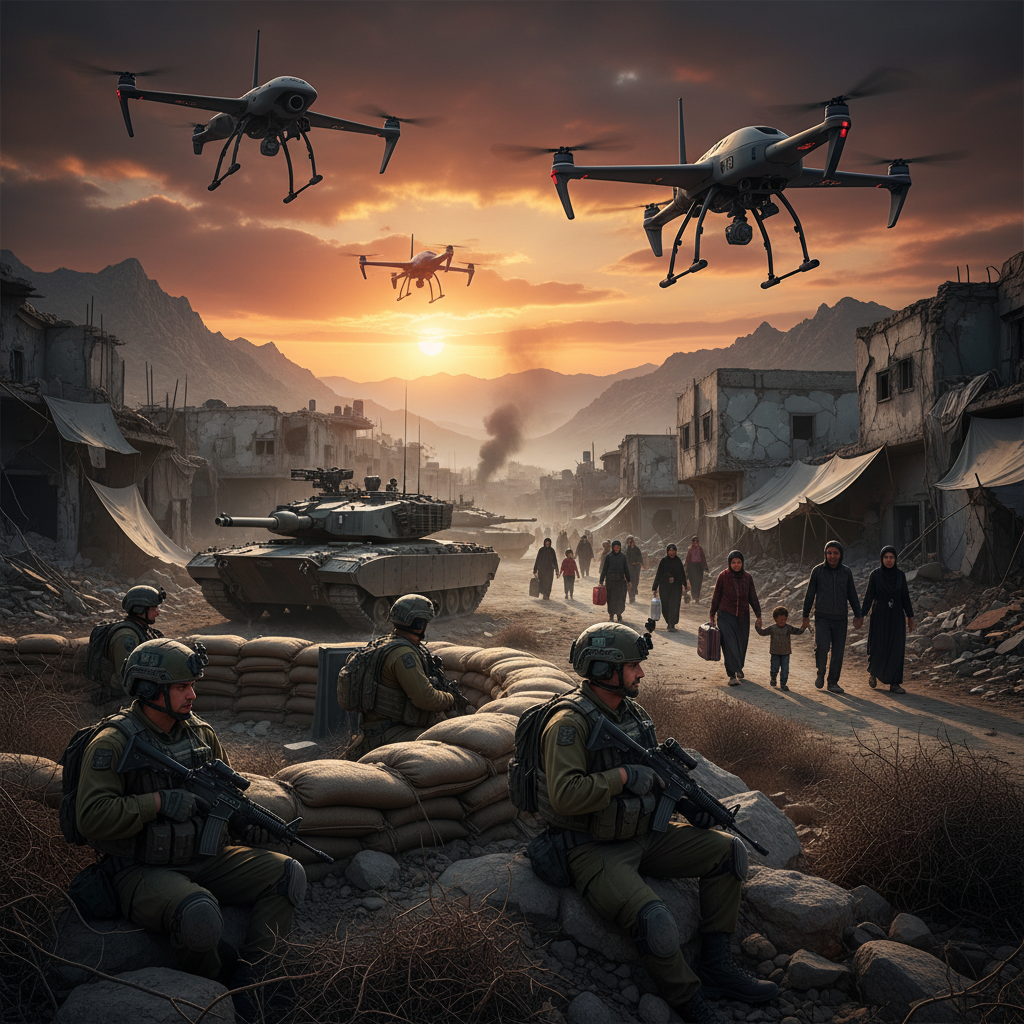
Drone warfare has surged, with Hezbollah employing explosive UAVs for offensive operations against Israeli forces. Israel’s military strategy incorporates armed UAVs for precise strikes, minimizing risks associated with manned aircraft. The challenge of detecting and intercepting these drones complicates ground defense efforts, making effective counter-drone technologies a priority for Israeli military planning, while regional implications of drone engagement continue to escalate tensions further.
Humanitarian Consequences
The conflict’s humanitarian impact is profound, with over 1.2 million people displaced and widespread destruction of infrastructure in Lebanon. Access to healthcare has been severely compromised, with numerous attacks on medical facilities reported. Displacement largely relies on informal support networks, leaving many citizens vulnerable as the humanitarian crisis deepens, requiring long-term support and resilience strategies to address urgent needs.
Humanitarian Aid Initiatives
Humanitarian organizations are providing crucial support to conflict-affected communities in Lebanon. Initiatives by entities like the International Rescue Committee and Relief International focus on protection, mental health, and economic support, addressing the diverse needs of displaced populations. However, ongoing hostilities and security concerns challenge these efforts, necessitating increased international cooperation and resources.
Political Reactions and Diplomatic Efforts
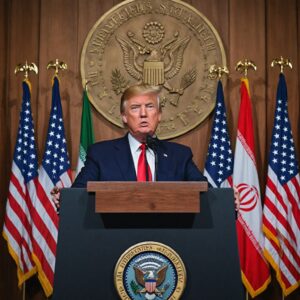
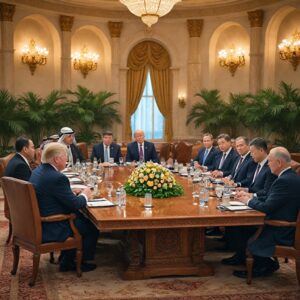
The escalation of conflict has prompted varied political and diplomatic reactions from Lebanon and international communities. The Lebanese government has condemned Hezbollah’s military activities, calling for disarmament and compliance with ceasefire agreements. Meanwhile, Iran’s involvement has raised regional concerns, prompting responses from the U.S. and other nations regarding diplomatic readiness and military preparedness in the Gulf area. Observers note the fragile nature of ceasefire agreements and the critical role of international mediation in future stabilization efforts.
Consequences and Regional Outlook
The ongoing conflict continues to perpetuate a humanitarian crisis in Lebanon, with vast displacement and infrastructure damage impacting civilian life. As ceasefires have proven unstable, efforts to disarm Hezbollah and settle border disputes are critical for long-term peace. Broader regional complexities remain, with ongoing U.S. and Israeli military actions against Iran influencing the overall security landscape and complicating diplomatic resolutions amidst potential further escalations beyond Lebanon’s borders.
The content is provided by Harper Eastwood, 11 Minute Read