
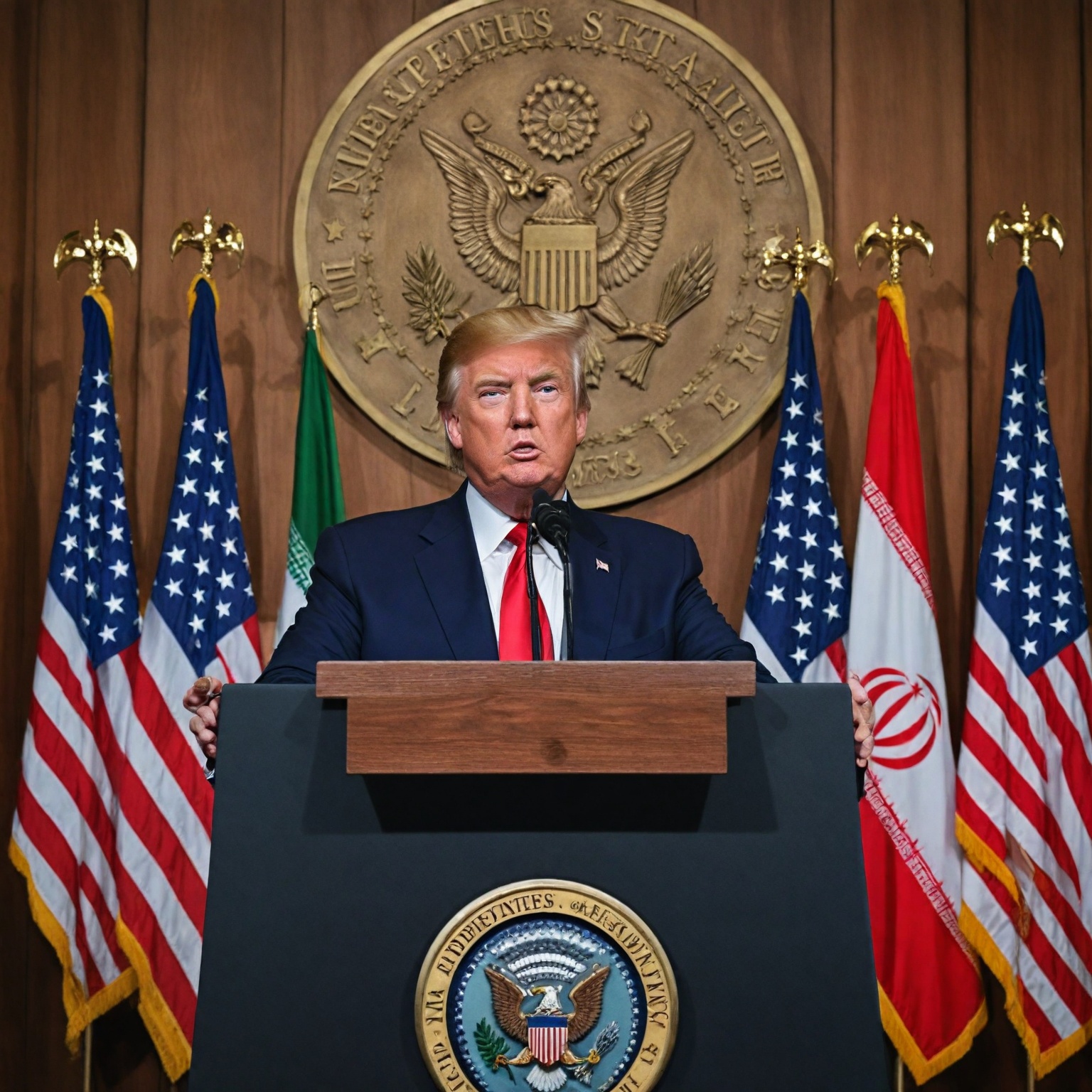
Trump’s Iran Address: Risks of Historical Repetition
In examining President Trump’s April 2017 speech on Iran, it becomes evident that the assertive U.S. stance risks echoing past mistakes from the 1970s. The speech emphasized military pressure against Iran and called for regime change, yet critics pointed out its strategic vagueness and reliance on outdated grievances. Without addressing the intricate political and economic realities influencing U.S.-Iran relations, this approach may provoke a resurgence of instability similar to that of the late 20th century.
Historic Context of U.S.-Iran Relations
The complexity of U.S.-Iran relations has roots in the 19th century, evolving significantly through the mid-20th century when the U.S. backed the Shah as a counter to Soviet influence. While this alliance initially stabilized American power, it ultimately ignored domestic dissent and economic strife that led to the 1979 Islamic Revolution and established the Islamic Republic. This history underscores a pattern of underestimating Iranian resilience and the fundamental changes within its political landscape that have characterized the relationship for decades.
Trump’s Address: Military Focus and Ambiguity
In his speech, Trump reinforced a narrative of ongoing U.S. military operations against Iran, stating these were necessary due to a history of violence attributed to Iranian actions. His portrayal of Iran as an imminent nuclear threat intensified concerns, particularly given the lack of substantiated intelligence. The speech’s ambiguity regarding military strategies and exit plans raises questions regarding feasibility and long-term objectives, blending aggressive rhetoric with insufficient diplomatic context.
Overlooked Perils and Economic Consequences
Trump’s rhetoric neglects critical historical lessons, particularly regarding the economic factors that destabilized the Shah’s regime. The 1970s oil price collapse triggered severe financial crises, social unrest, and contributed to Iran’s revolutionary transformation. Today’s geopolitical landscape could mirror those past crises, creating economic challenges that may endanger U.S. domestic stability and adjust energy market dynamics given the potential for renewed conflict.
Strategic Misjudgments: Contrasting Past and Present
Historically, U.S. support for the Shah prioritized short-term stability while underestimating the complexities of Iranian domestic opposition. Trump’s administration shifted towards an explicit regime change approach, favoring direct military confrontation over diplomatic engagement. While U.S. officials invested heavily in Iran’s military bolstering during the Shah’s reign, the current approach risks alienating allies and potentially strengthening Iranian influence in the region.
Responses and Critique of Trump’s Strategy
The address sparked polarized responses from political circles. Supporters lauded the commitment to military action, while critics highlighted strategic inconsistencies and a lack of coherent planning. Trump’s projected goal of regime change is contentious, raising concerns about the implications for regional security, particularly in light of Iran’s capability to maintain governance despite threats to its leadership.
Impacts on Diplomatic Relations and Future Strategies
The fallout from Trump’s strategies continues to affect U.S.-Iran relations, complicating diplomatic negotiations. Despite attempts by the Biden administration to revive discussions around the 2015 nuclear deal, these efforts face substantial barriers due to ongoing hostilities and mutual distrust. Effective future strategies will require an understanding of Iran’s political resilience and a careful consideration of historical lessons to avoid repeating past miscalculations in a complex geopolitical environment.
The content is provided by Avery Redwood, 11 Minute Read


