
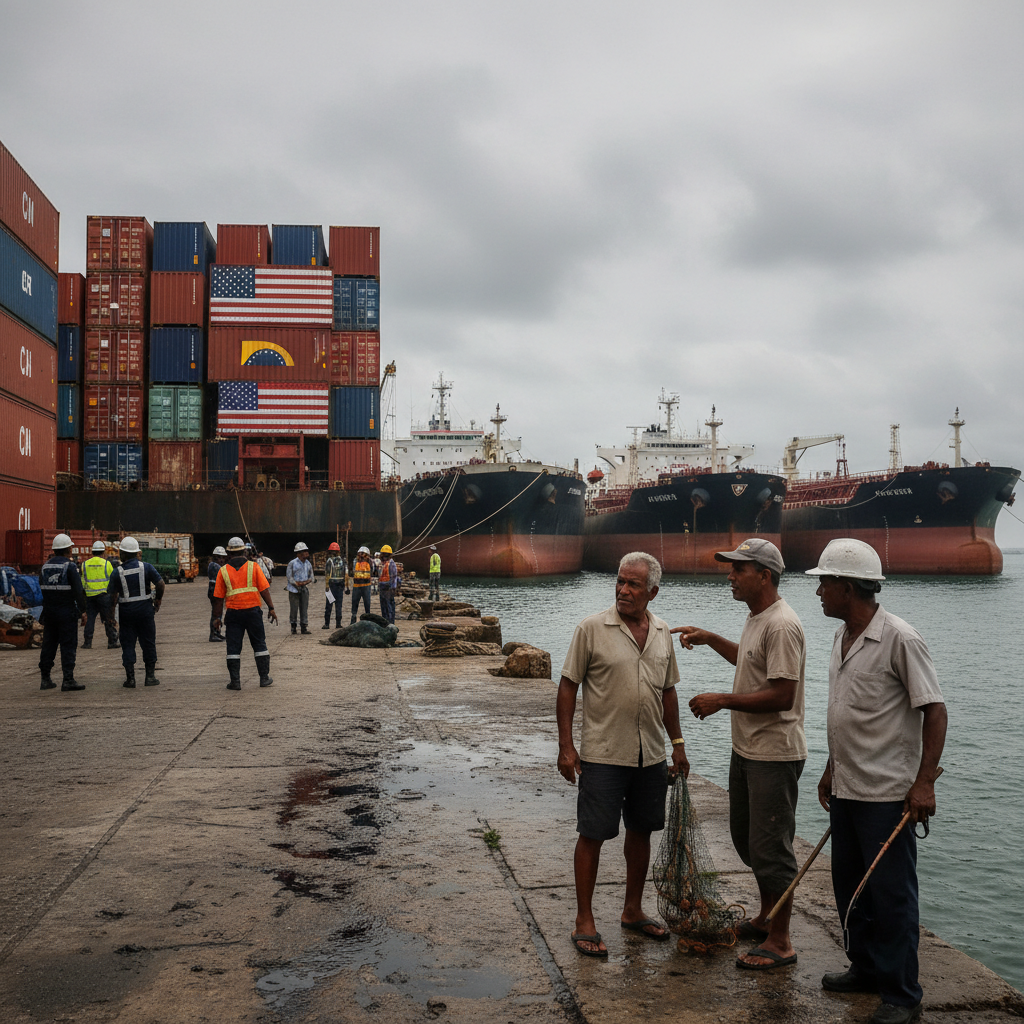
Summary of the Oil Blockade
The U.S. oil blockade against Cuba, initiated in early 2026, significantly intensifies the existing embargo by targeting both direct and indirect petroleum supplies to the island. Executed under Executive Order 14380, this blockade imposes tariffs on oil imports from nations that support Cuba, including the seizure of Venezuelan oil shipments. The U.S. frames these actions as a method to instigate political reform in Cuba while raising national security concerns related to Cuba’s regional alliances.
Cuba faces a severe energy crisis as a result, leading to fuel shortages and essential service disruptions, including in healthcare and food distribution. This situation has sparked international outrage, with evident violations of humanitarian principles cited by organizations like the United Nations, which warns of a potential collapse of Cuba’s public services if the blockade continues.
Current Energy Crisis in Cuba
The blockade has severely impacted Cuba’s energy availability, prompting widespread electricity blackouts and underlying humanitarian issues. The cessation of oil deliveries from Venezuela and pressure on other suppliers, such as Mexico, has further escalated the energy crisis. Reports indicate that this situation threatens crucial health infrastructure and food security, raising alarms about the overall humanitarian implications for the Cuban populace.
International bodies have stressed the need for a reassessment of these measures, highlighting the urgency of restoring energy supplies to prevent further suffering and instability in Cuba. Concerns from institutions like the UN are rapidly growing as the environment deteriorates, making external assistance increasingly necessary.
International Condemnation and Support for Cuba
Russian President Vladimir Putin has strongly criticized the U.S. blockade for its violation of international norms, vowing to continue support for Cuba amidst the sanctions. His condemnation reflects Russia’s strategic alliance with Cuba, with discussions aimed at increasing oil deliveries despite U.S. threats of sanctions. Notable is the call from Russian officials for diplomatic negotiations instead of military escalation, emphasizing the need for cooperative dialogue rather than unilateral pressure.
This situation underscores the broader geopolitical tensions between the U.S. and Russia, as both nations engage in a battle for influence over Cuba. The Russian government has indicated its long-term commitment to Cuba’s sovereignty and has mobilized resources to mitigate the impacts of the embargo.
Reactions from the International Community
Responses to the U.S. blockade have been overwhelmingly critical from the international community, particularly at the United Nations, where UN human rights experts have labeled the actions as a form of economic coercion violating international law. There is a strong consensus among member states advocating for the repeal of such sanctions, emphasizing the need to prioritize diplomatic resolutions over economic punishment.
The implications extend beyond Cuba, affecting third-party nations engaging in lawful commerce with the island. Countries like Mexico have halted oil shipments amidst U.S. sanctions, exacerbating the humanitarian crisis in Cuba and alarming international organizations regarding the blockade’s severe consequences on public health and safety.
Political and Economic Ramifications
The blockade has serious political and economic ramifications for both Cuba and its international relations. Efforts to isolate Cuba economically through embargo measures have led to more profound energy shortages, disrupting healthcare and essential services. The U.S. justifications for sanctions, citing Cuban support for hostile entities, have faced skepticism from global observers who deem the measures excessively punitive and a breach of Cuba’s sovereignty.
As diplomatic tensions amplify, support from countries like Russia signals ongoing contention over Cuba’s future and U.S. influence in the region. The current political landscape indicates a pivotal moment in U.S.-Cuba relations, requiring careful navigation of both humanitarian and geopolitical concerns.
Future Considerations and Ongoing Developments
The humanitarian crisis stemming from the U.S. oil blockade remains pressing, with potential for further destabilization if alternative solutions are not found. International reactions signal an urgent need for reassessment of U.S. sanctions and exploration of diplomatic channels to resolve the ongoing energy crisis in Cuba.
The implications of such developments will extend beyond the island, influencing regional relations and international policy concerning sanctions and economic pressures. As events unfold, ongoing dialogue will be crucial for addressing the multifaceted challenges Cuba faces amidst heightened international scrutiny.
The content is provided by Sierra Knightley, 11 Minute Read


