Summary
**Unveiling the Intriguing World of Qatari Cybertrucks, Elite Camels, and Trillion-Dollar Vows: Decoding the Fascination Behind Gulf Countries’ Direction** explores the dynamic interplay of tradition, innovation, and economic ambition shaping the Gulf Cooperation Council (GCC) region, with a particular focus on Qatar. This multifaceted narrative highlights how ancient cultural symbols like camels coexist and evolve alongside cutting-edge technological adoption and bold economic strategies, reflecting broader trends in identity, sustainability, and globalization within the Gulf states.
Camels hold profound historical and cultural significance in the Gulf, symbolizing endurance, wealth, and survival amid harsh desert conditions. Their legacy persists through vibrant traditions such as camel racing and beauty pageants, which have adapted to modern advancements in genetic breeding and digital technology, underscoring ongoing efforts to preserve and revitalize nomadic heritage. Simultaneously, Qatar’s unexpected use of Tesla Cybertrucks in high-profile official motorcades exemplifies the region’s embrace of futuristic technologies and sustainability initiatives, signaling a commitment to innovation within security and transportation sectors.
Economically, Qatar stands as a prominent global investor, leveraging its sovereign wealth fund to diversify beyond hydrocarbons into sectors like renewable energy, technology, and international markets. The country’s trillion-dollar investment pledges and business-friendly reforms are emblematic of a broader GCC ambition to foster sustainable growth and deepen strategic alliances, particularly with the United States and Asia. These initiatives reflect a deliberate shift toward knowledge-based economies while maintaining cultural identity and regional stability.
However, these transformative trajectories are not without controversy. Environmental concerns persist regarding the Gulf’s carbon footprint and the adequacy of renewable efforts. Cultural debates arise over the commercialization of traditional camel-related practices and the tensions between innovation and heritage preservation. Meanwhile, the nascent electric vehicle market faces challenges including infrastructural readiness and competitive pressures. Together, these issues illustrate the complex balancing act Gulf countries undertake as they navigate modernization, economic diversification, cultural continuity, and environmental sustainability.
Historical and Cultural Origins
Camels have played a foundational role in the history and culture of the Gulf region, symbolizing endurance, survival, and tradition amid the harsh desert environment. Their domestication dates back to ancient Mesopotamia, with evidence suggesting that by the Middle Bronze Age (circa 2000–1600 BCE), camels were integral to pastoralist societies, although their presence in the land of Canaan during Abraham’s time remains debated among scholars. This early domestication set the stage for the camel’s central role in transportation, trade, and sustenance across arid landscapes.
In Gulf societies, particularly among Bedouin and Hadar communities, camels were more than just beasts of burden; they were cornerstones of livelihood and social life. Nomadic pastoralism revolving around camels, alongside pearl fishing, formed the economic and cultural backbone of the region. The majlis, a communal gathering space, became a focal point for social interactions, storytelling, and the preservation of customs where camel-related traditions thrived.
The cultural symbolism of camels in the Middle East is profound. They are emblematic of wealth, prosperity, and survival, representing the ability to endure and flourish in unforgiving desert environments. Their association with hospitality and generosity further underscores their importance in traditional desert communities, where sharing resources was essential for survival. Within the Gulf, camels also embody the spirit of the desert and have become intertwined with culinary traditions, reflecting the region’s heritage and identity.
Camel racing and beauty pageants have evolved as significant cultural events, preserving the deep-rooted connection to camels. These competitions, often featuring bejeweled camels adorned with gemstones, attract participants from Qatar and neighboring Arab countries, showcasing pride in camel heritage and fostering cultural awareness among wider audiences, as seen during events like the FIFA World Cup 2022.
Recent scholarly attention has highlighted how globalization and technological advancements are reshaping camel husbandry and associated cultural practices. Innovations in breeding, genetic modifications, and digital technologies have enhanced camel performance and economic value but have also introduced commercialization that challenges traditional perceptions. Despite these changes, camels remain enduring symbols of Gulf societies’ resilience and identity, linking past traditions with contemporary cultural expressions.
Qatari Cybertrucks
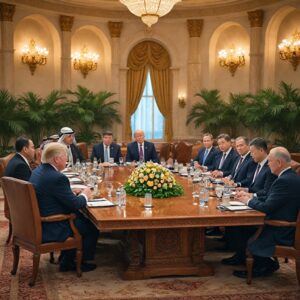
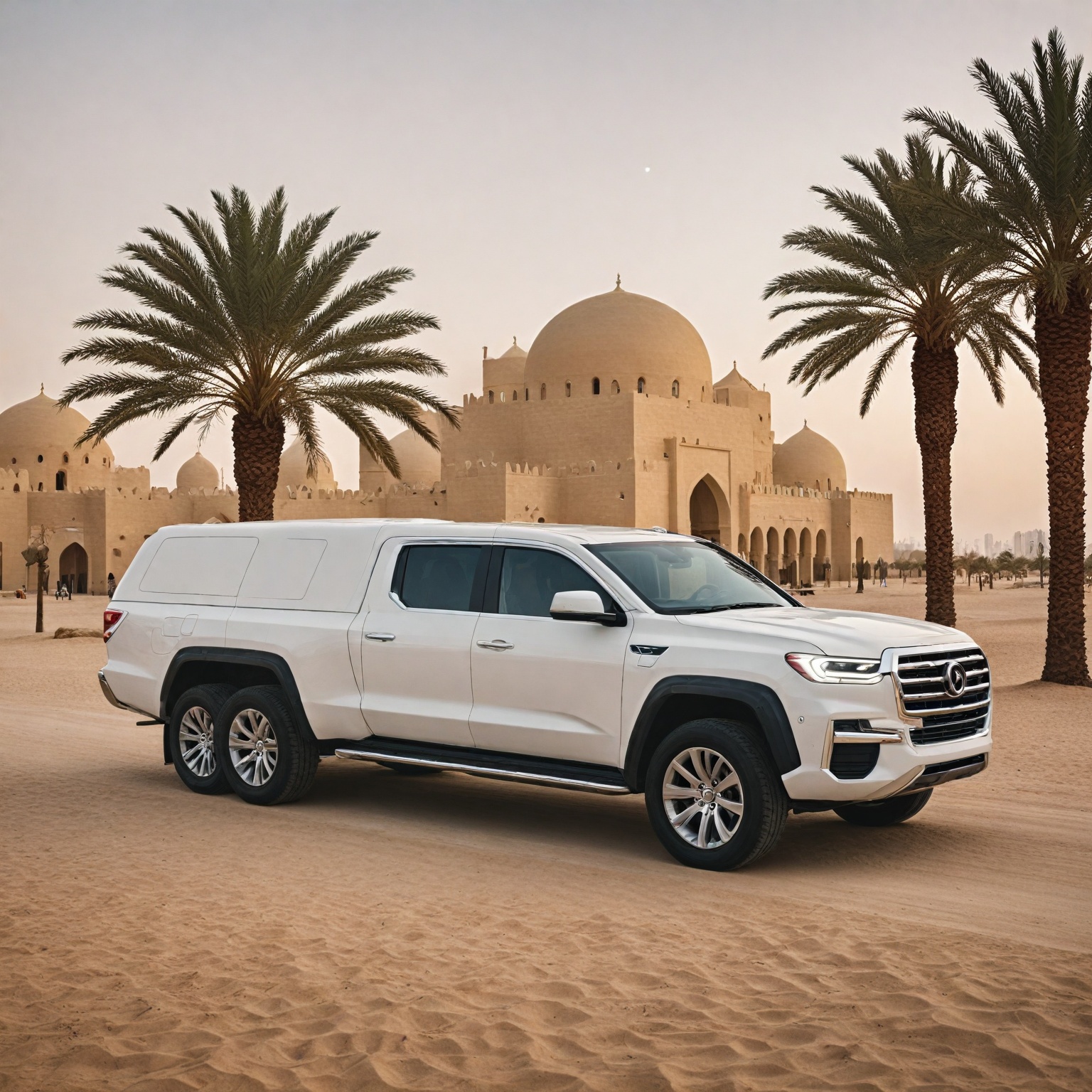
In a remarkable display of modern technology intersecting with high-profile diplomacy, Qatari police employed Tesla Cybertrucks as part of the motorcade escort for then-U.S. President Donald Trump during his visit to Doha. On Wednesday, two Cybertrucks featuring distinctive red-painted hoods led the presidential procession from Hamad International Airport through the streets of the Qatari capital. The vehicles are believed to be operated by Lekhwiya, Qatar’s special forces responsible for internal security. This unprecedented use of Cybertrucks in an official state motorcade attracted significant attention globally, including from Tesla CEO Elon Musk, who acknowledged the event on social media with the comment, “Cybertrucks escorting @POTUS!”.
The Cybertruck police vehicles represent a unique configuration of Tesla’s electric pickup, initially announced in 2019 as the most affordable trim but not immediately launched due to Tesla’s focus on all-wheel-drive variants. Their deployment by Qatari authorities highlights the country’s interest in embracing cutting-edge automotive technologies within official security apparatuses. This aligns with broader regional trends of increasing adoption of electric vehicles (EVs), with Tesla officially opening its first showroom in Doha at the Doha Festival City mall and launching sales in Qatar in recent years. The presence of Cybertrucks in high-profile state functions underscores Qatar’s commitment to sustainable energy initiatives and modernization efforts within the Gulf Cooperation Council (GCC) countries.
Elite Camels in Gulf Culture
Camels have long held a profound and multifaceted cultural significance in Gulf societies, symbolizing endurance, resilience, and a deep connection to the desert environment. Historically, camels were indispensable to Bedouin and Hadar communities, serving as vital assets for transportation, sustenance, and social structure, with nomadic pastoralism centered largely around these animals. Often referred to as the “ships of the desert,” camels embody wealth, prosperity, and survival, reflecting both practical and symbolic dimensions across the region.
In the contemporary Gulf, despite rapid modernization and the influx of oil wealth and Western technology reducing their everyday utility, camels continue to hold an esteemed place in cultural identity and heritage. While some residents in parts of the United Arab Emirates now view camels as a nuisance due to urban expansion, many Gulf countries are actively preserving and revitalizing camel traditions through organized events such as camel races, beauty contests, and exhibitions, which serve to reinforce social bonds and promote tourism.
Furthermore, advances in genetic breeding, health research, and digital innovations have transformed camel husbandry, enhancing their economic and cultural value while simultaneously introducing new challenges related to commercialization and heritage preservation. These efforts are part of broader initiatives recognizing camels as key pillars of national identity, with governments investing in conservation and industry development to sustain this legacy for future generations.
Culinary traditions also underscore the cultural importance of camels in the Gulf. Camel meat and milk are staples in local diets, with camel meat dishes such as camel kabsa celebrated in Gulf cuisine. Recently, camel products have garnered international attention, with camel milk emerging as a health food globally and camel wool valued for its warmth and quality in textiles. This renaissance highlights a renewed appreciation for camels beyond their traditional roles, encompassing economic, cultural, and scientific domains.
Trillion-Dollar Investments and Economic Ambitions
Qatar has positioned itself as a major player in the global investment landscape, leveraging its sovereign wealth fund, the Qatar Investment Authority (QIA), to drive economic diversification and long-term growth. Established in 2005 and chaired by the Central Bank Governor, QIA manages an estimated $501 billion in assets, making it one of the largest sovereign wealth funds worldwide. The fund’s investment portfolio increasingly focuses on private equity and listed shares, with targeted investments in start-ups and growth markets across Asia and the United States. Notably, QIA has also expanded its presence in renewable energy, participating in initiatives such as a sub-Saharan African renewable energy platform led by Enel Green Power.
Qatar’s economic strategy stands out in the Gulf region due to its emphasis on sustainability, innovation, and fostering a knowledge-based economy that transcends traditional resource dependence. The government’s pro-business reforms and efficient tax system—ranked third globally by the World Bank in 2020 for impact on business—have bolstered the country’s appeal to international investors and entrepreneurs. Despite global economic challenges, Qatar’s foreign direct investment (FDI) inflows have generally trended upward, with significant investments originating from countries including the United States, Japan, South Korea, and Singapore.
Moreover, Qatar benefits from favorable investment frameworks, including its participation in the Gulf Cooperation Council (GCC), which has signed multiple treaties with investment provisions, such as the GCC-US treaty pending enforcement since 2012. State-owned enterprises and government-linked entities, including QIA, often receive preferential treatment in government contracts, particularly when proposals incorporate local value components—further facilitating the fund’s pivotal role in Qatar’s economic diversification and growth.
In alignment with Qatar’s broader geopolitical and economic ambitions, the country has maintained robust historic relations with nations like Russia, with announcements to increase investments in the Russian Federation during the 2021 St Petersburg Economic Forum. These moves exemplify Qatar’s strategy to diversify partnerships and enhance its global investment footprint.
The economic initiatives undertaken by Qatar, alongside its GCC neighbors, reflect a collective effort to strengthen ties with major global powers such as the United States. Experts note that while economic announcements from Gulf countries may appear competitive, they primarily aim to enhance the region’s attractiveness and deepen strategic relations with international partners. Through these trillion-dollar investment commitments and reforms, Qatar continues to assert itself as a forward-looking economy committed to sustainable development and global economic integration.
Cultural Fascination and Symbolism
Camels hold a deep and multifaceted cultural significance in Gulf societies, particularly in Qatar, where they symbolize wealth, prosperity, survival, and resilience. Often referred to as the “ships of the desert,” camels have been integral to the Bedouin and Hadar communities, serving as essential assets for transportation, sustenance, and cultural expression for millennia. Their symbolism extends beyond practical utility, embodying a rich heritage that intertwines with the social fabric and identity of the region.
Historically, camels were the backbone of caravan trade routes across Asia and Africa, facilitating commerce and communication. The caravansary, located on the outskirts of urban centers, functioned not only as business hubs but also as cultural nodes, fostering storytelling and exchange, as reflected in classical Arab-Persian oral traditions like *The Thousand and One Nights*. This long-standing historical role elevates camels to a cultural icon deeply embedded in Gulf narratives.
In contemporary Qatar, government initiatives actively promote the cultural heritage associated with camels. Events such as camel races, beauty contests, and exhibitions are organized to preserve and celebrate this legacy, simultaneously bolstering tourism and national pride. For instance, the Darb Al Saai festival, linked to the historical route taken by Sheikh Jassim Al Thani’s messengers, features ceremonial displays including camel-mounted contingents and traditional music, highlighting the centrality of camels in national celebrations and social life.
Moreover, modern technological and scientific advancements have influenced camel husbandry and cultural practices. Innovations in genetic modification, breeding technologies, and digital platforms have reshaped camel racing and beauty contests, enhancing camel health and economic value while introducing new commercial dynamics. These changes present both opportunities and challenges, as traditional perceptions are negotiated amid globalization and shifting social norms.
Future Prospects
The Gulf Cooperation Council (GCC) countries are poised to navigate a complex landscape of economic diversification, environmental sustainability, and cultural preservation as they move toward the future. Central to their strategies are investments in technology, sustainability initiatives, and the strengthening of international partnerships, all of which will shape the region’s development trajectory.
One of the key future prospects involves reducing environmental degradation, a pressing challenge for the GCC given its heavy reliance on hydrocarbon exports. Efforts to address this include exploring the roles of ICT development, trade openness, foreign direct investment inflows, and renewable energy adoption to mitigate CO2 emissions and achieve sustainable growth. Researchers suggest that future studies should further investigate technological innovations and other environmental factors that could accelerate this transition.
In parallel, the Gulf states are fostering the growth of electric vehicles (EVs) as part of their sustainability goals. Government subsidies for electric cars are expected to support companies like Tesla in expanding their market presence, despite competitive pressures from Chinese manufacturer BYD and U.S.-based Lucid Motors. Although EV adoption currently represents a small fraction of total car sales in countries like Saudi Arabia, the market shows potential for rapid growth, driven by government policies and evolving consumer preferences.
Cultural heritage also remains a vital component of the region’s future identity. Camels, deeply embedded in Bedouin and Qatari traditions, are experiencing a renaissance through technological advancements in breeding, genetic modification, and digital innovations. These changes have transformed camels from purely utilitarian animals into significant symbols of heritage, national pride, and economic value. Nonetheless, this modernization brings challenges, including commercialization and shifts in traditional practices. Preserving this heritage while embracing innovation will be crucial for maintaining cultural continuity in the Gulf.
Economically, the GCC countries continue to pursue diversification and global competitiveness through ambitious initiatives like Qatar National Vision 2030, which promotes sustainability, human development, and private sector growth. Major infrastructure projects and sovereign wealth funds underpin these efforts, facilitating a shift away from hydrocarbon dependence. Moreover, strengthening strategic relationships with global powers, particularly the United States, is a key motive behind recent high-profile economic agreements. These moves are viewed not as intra-GCC competition but as a unified front aimed at enhancing the region’s geopolitical and economic standing vis-à-vis other global regions such as Europe.
Criticisms and Controversies
The ambitious economic and technological initiatives pursued by Gulf Cooperation Council (GCC) countries, including Qatar, have not been without criticisms and controversies. One significant point of contention revolves around the portrayal of economic deals and announcements as competitive gestures among the Gulf states. However, experts like Ahmed Rashad, an assistant professor of economics, argue that these moves are less about intra-GCC rivalry and more about positioning against other global regions, such as Europe, to secure closer ties with the U.S. administration. Despite this framing, some critics suggest that this competition may mask underlying regional tensions and economic disparities.
Environmental concerns also constitute a major critique of the Gulf’s development strategies. The GCC’s heavy reliance on hydrocarbon exports has led to substantial environmental degradation, raising questions about the sustainability of its economic growth model. While efforts such as Masdar City’s carbon-neutral initiative highlight progressive steps towards renewable energy adoption, environmentalists argue that these projects are insufficient to counterbalance the region’s overall carbon footprint. Additionally, there is ongoing debate about the role of technology and innovation in reducing emissions, with calls for further research into how ICT development and foreign direct investment can be harnessed more effectively.
Cultural controversies have emerged around the modernization and commercialization of traditional practices, particularly in the United Arab Emirates (UAE). The integration of genetic technologies, digital innovations, and market-driven priorities into camel breeding, racing, and beauty contests has sparked debate among Emirati communities. While these advancements have improved animal health and economic returns, they challenge longstanding cultural perceptions and heritage preservation, raising concerns over the commercialization of what were once purely traditional and communal practices. Initiatives like the “Year of the Camel” aim to preserve cultural identity, yet the tension between innovation and tradition remains a sensitive issue.
In the realm of sustainable transportation, the Gulf’s push for electric vehicles (EVs) such as Tesla has drawn mixed reactions. While EVs offer environmental benefits by reducing reliance on fossil fuels and lowering air pollution, the market remains nascent, with EVs
The content is provided by Jordan Fields, 11 Minute Read