Role of the WHCA
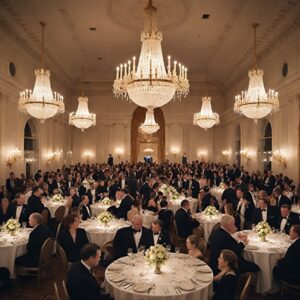
The White House Correspondents’ Association (WHCA) serves a critical function by representing journalists covering the executive branch, overseeing credentialing, and managing press access. A notable aspect of the WHCA is its annual dinner, which garners significant media attention and requires high-level security due to the presence of key political figures. Understanding the stringent security measures surrounding the dinner can clarify the balance between safety and media access, affecting coverage of presidential activities.
Security Coordination
Security for the WHCA Dinner relies on comprehensive collaboration between various agencies, primarily led by the Secret Service. This partnership includes local law enforcement and various federal organizations that develop robust security strategies, such as rooftop surveillance and aerial monitoring. Learning about these security operations helps clarify the efforts made to foresee and mitigate threats, reinforcing the commitment to attendee safety at high-profile events.
Credentialing Process
The WHCA implements a structured credentialing system categorized into four membership types, each with specific eligibility requirements. This process ensures that only those with a legitimate role in White House reporting gain access, thus upholding the integrity of the press environment. As broader security protocols evolve, understanding these access controls is essential for evaluating the implications on journalistic roles and transparency in reporting.
Access Inside the White House
Access to sensitive areas within the White House, particularly for journalists, has become more restricted due to national security protocols. Recent policies require prior appointments for entry into key locations, limiting spontaneous interactions between journalists and communications officials. Recognizing these limitations can inform assessments of their potential impact on reporting and media coverage of governmental operations.
Event Security Overview
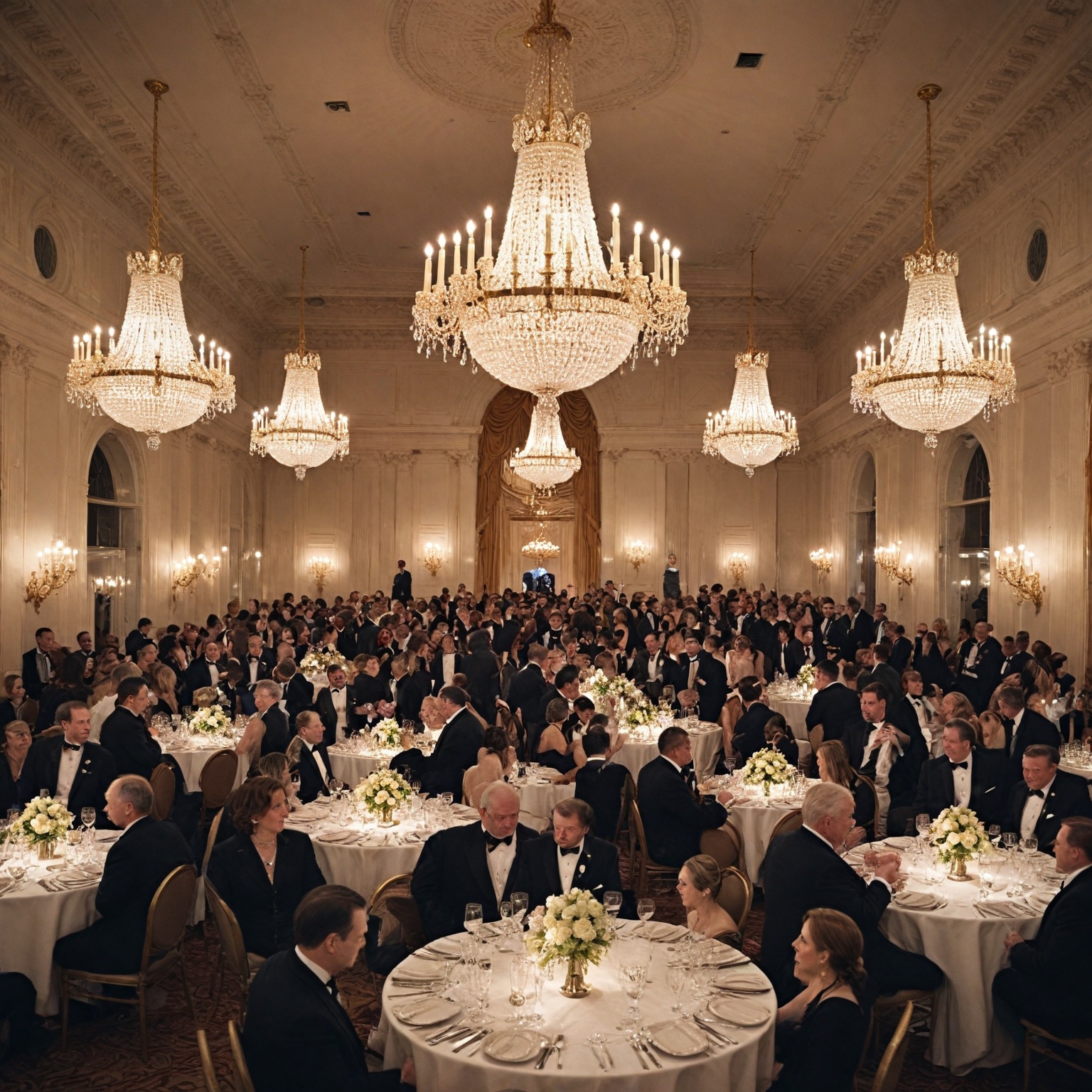
The WHCA Dinner features one of the most stringent security setups, reflecting its significance and the high-profile nature of attendees. With hotel closures and extensive screening processes, all guests must undergo multiple security checks to ensure safety. Awareness of such protocols is useful when considering the broader implications for public access and engagement with political proceedings.
Technological Security Measures
Advanced technology underpins the security operations for the WHCA Dinner, incorporating sophisticated screening systems and surveillance tools. These technologies play a vital role in monitoring both physical and digital environments, ensuring a layered defense against potential threats. Understanding the use and scope of these technologies can aid in evaluating their effectiveness in safeguarding high-profile events.
Ongoing Security Challenges
The WHCA Dinner continues to face security challenges, particularly amid rising political violence. Past incidents have prompted investigations into existing measures, signifying the ongoing need to adapt security protocols in response to evolving threats. Recognizing these dynamics can provide insight into the persistent risks associated with high-profile gatherings and their management.
Impact on Journalism
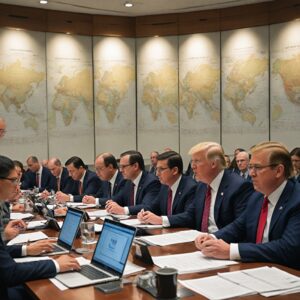
New security protocols have notably influenced press access within the White House, posing challenges for journalists attempting to cover presidential activities. Restrictions on accessing key areas underscore a tension between national security and the need for a free press. Understanding these impacts helps analyze how they affect media operations and informed public discourse related to governmental transparency.
The content is provided by Harper Eastwood, 11 Minute Read