
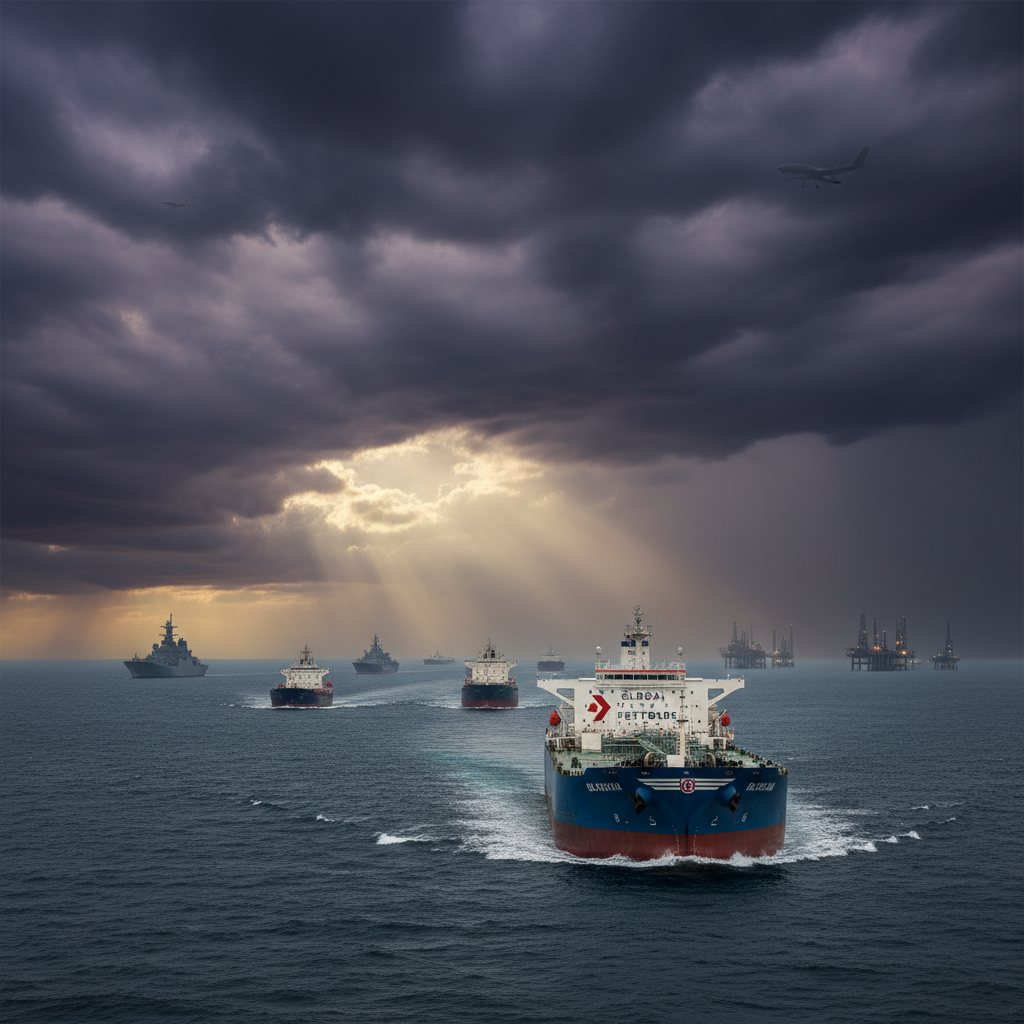
Summary of the Current Situation
The recent turmoil in the Persian Gulf, punctuated by attacks on commercial vessels, has intensified security tensions in a crucial global shipping area. With around 20% of the world’s oil supply passing through the Strait of Hormuz, these attacks, particularly following significant military actions against Iran, have led to severe disruptions and fears of skyrocketing oil prices. Iran’s threats to close this vital shipping route heighten concerns about energy supply stability and the potential for economic repercussions worldwide.
Current Threats to Maritime Security
Escalating incidents around the Strait of Hormuz, including targeted attacks on oil tankers, have raised alarms about maritime safety. With reports of explosions and damage to vessels, many ships are now avoiding the strait altogether. The ongoing crisis impacts global energy supply chains, reminiscent of past oil embargoes, and the perception of instability has led to further precautionary measures from maritime authorities, including advisories to reduce transit through the region.
Incident Overview
In early 2026, coordinated attacks on commercial vessels, including the Thai-flagged Mayuree Naree, highlighted a deliberate pattern of aggression that threatens energy security. The targeting of oil tankers and freight ships resulted in casualties and significant operational disruptions. Shipping analysts indicate that these attacks are not isolated but part of an ongoing escalation linked to geopolitical tensions, showcasing the precarious situation for international maritime traffic in this strategic waterway.
Investigation into Attacks
Authorities are investigating the details surrounding these maritime attacks, which have raised questions about security measures in the region. Shipping firms and governments are concerned about the implications of these incidents as they involve sustained aggression rather than sporadic acts of hostility. The potential for continued threats has prompted heightened vigilance among authorities and the anchoring of numerous vessels in safer waters.
Iran’s Provocative Role
Iran’s responses to recent events have escalated tensions, with leadership warning of severe implications for global oil prices amid threats to disrupt maritime navigation through the Strait of Hormuz. These provocative statements align with military actions and a broader strategy aimed at leveraging regional influence. Iran’s readiness to engage in conflict underscores the heightened risk of further destabilization in the area.
International and Regional Responses
The response from international bodies, including the International Energy Agency, reflects the urgency of stabilizing oil markets disrupted by the crisis. Recent proposals aim to bolster military and diplomatic efforts to ensure safety in maritime navigation. Enhanced military presence and coordination among allies serve to mitigate risks, yet the ongoing nature of attacks emphasizes the need for sustained vigilance and collective action to restore security in the Persian Gulf.
Implications for Global Oil Markets
The Persian Gulf situation has resulted in significant market volatility, with oil prices fluctuating due to concerns about supply disruptions. Strategic interventions from agencies and nations signal the criticality of addressing these risks to stabilize markets. The ongoing crisis poses challenges for global energy reliance on the Strait of Hormuz, raising questions about future supply routes and economic fallout if instability persists.
Security Risks and Shipping Challenges
The escalating situation has led to heightened security risks for vessels navigating the Strait of Hormuz. Advisory warnings from maritime authorities have prompted many tankers to anchor in safer locations, complicating logistics and increasing the likelihood of economic repercussions. Ongoing attacks signal a serious challenge for safe navigation in this vital corridor, emphasizing the need for strategic responses to protect maritime trade.
Analyzing the Crisis Dynamics
Experts assess that the present attacks are part of a troubling pattern, contributing to a potentially protracted crisis with significant implications for oil supply. The geopolitical environment surrounding the Strait of Hormuz has reshaped not only regional dynamics but also global economic conditions. Ongoing analyst attention underscores the risks associated with maritime operations in the area and the urgent need for diplomatic resolutions to restore stability and confidence in international shipping lanes.
The content is provided by Blake Sterling, 11 Minute Read