
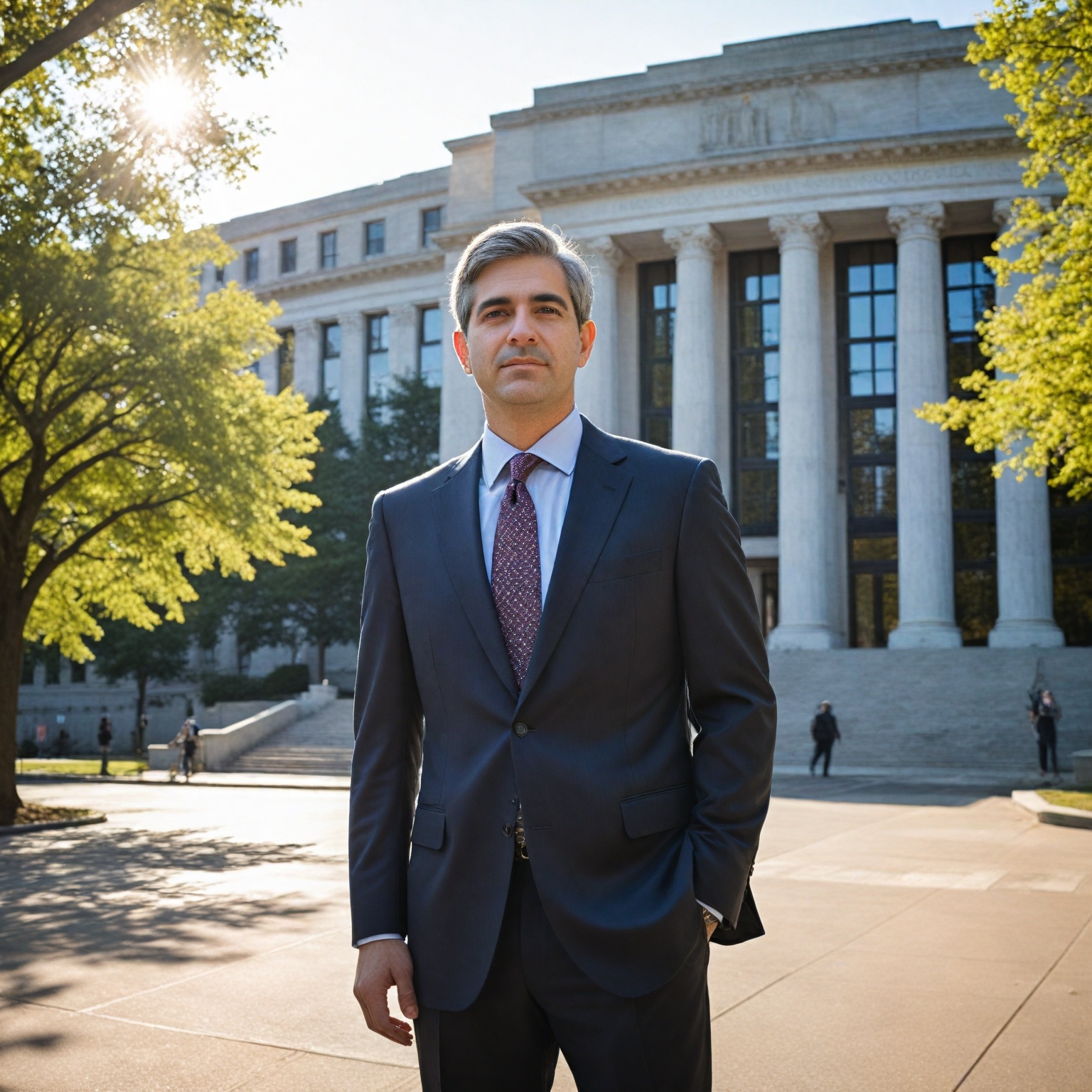
Overview of Kevin Warsh
Kevin Warsh, a prominent American financier and former member of the Federal Reserve Board, gained attention for his economic influence and policy approaches. Nominated at 35 by President George W. Bush, he was the youngest appointee to the Board, noted for his experience in finance and commitment to regulatory oversight. His tenure included critical involvement in the 2008 financial crisis, showcasing his cautious stance on unconventional monetary policies.
Early Life and Education
Born in Albany, New York, Warsh grew up in a Jewish family environment that shaped his understanding of the economy. He excelled academically and athletically, attending Stanford University for a degree in public policy, and later graduated from Harvard Law School. His education combined economics, law, and regulatory policy, setting the stage for his dual career in finance and public service.
Professional Journey
Warsh’s career spans Wall Street and government, starting at Morgan Stanley where he focused on mergers and acquisitions. He transitioned to public service, where he served in key roles under President Bush, advising on economic policy. Appointed to the Federal Reserve Board, he became a critical voice during the financial crisis, focusing on cautious monetary interventions and raising concerns about prolonged quantitative easing practices.
Financial Profile
As of 2026, Kevin Warsh’s estimated net worth is $13.6 million, generated from various financial roles and investments. His complex portfolio raised questions during his nomination regarding potential conflicts of interest, leading him to pledge divestiture of certain assets. While connected to billionaire heiress Jane Lauder, his personal wealth reflects his achievements in both the public and private sectors.
Public Reception and Political Scrutiny
Warsh’s nomination for Fed Chair ignited debates about Wall Street’s influence on economic policy and the revolving door between financial markets and regulatory bodies. The intense Senate vetting process scrutinized his economic philosophy, underscoring the critical implications of his future decisions. Public reactions mirrored market sentiment, emphasizing his blend of academic and practical insights, which could position him as an influential leader in monetary policy discussions.
Controversies
Warsh’s investment transparency and monetary strategy have been contentious topics. His ties to opaque investment vehicles raised ethical questions as he pledged to divest them if confirmed. Additionally, his skepticism about quantitative easing and focus on sustainable economic practices set him apart from some contemporaries within the Fed, fueling ongoing debates regarding effective monetary policy during times of crisis.
Monetary Policy Influence
Warsh’s approach to monetary policy is characterized by caution toward unconventional measures, prioritizing traditional tools like the federal funds rate. He expressed concerns over inflation risks during the 2008 crisis, advocating for macroprudential oversight. His emphasis on addressing structural economic issues rather than simply demand shortfalls reflects a nuanced understanding of economic dynamics shaped by his previous Wall Street experience.
Legacy and Impact on Economics
Kevin Warsh’s contributions have significantly influenced discussions about monetary policy and financial regulation. He highlighted the necessity of transparency in financial markets to ensure effective discipline, particularly during crises. Although he did not become Fed Chair, his insights have prompted critical reflections on the Fed’s role and the equitable distribution of economic benefits, positioning him as a thought leader in the ongoing evolution of monetary policy debates.
The content is provided by Blake Sterling, 11 Minute Read