
Switzerland Considers Population Cap: Everything You Need to Know About the 10 Million Vote!
Summary
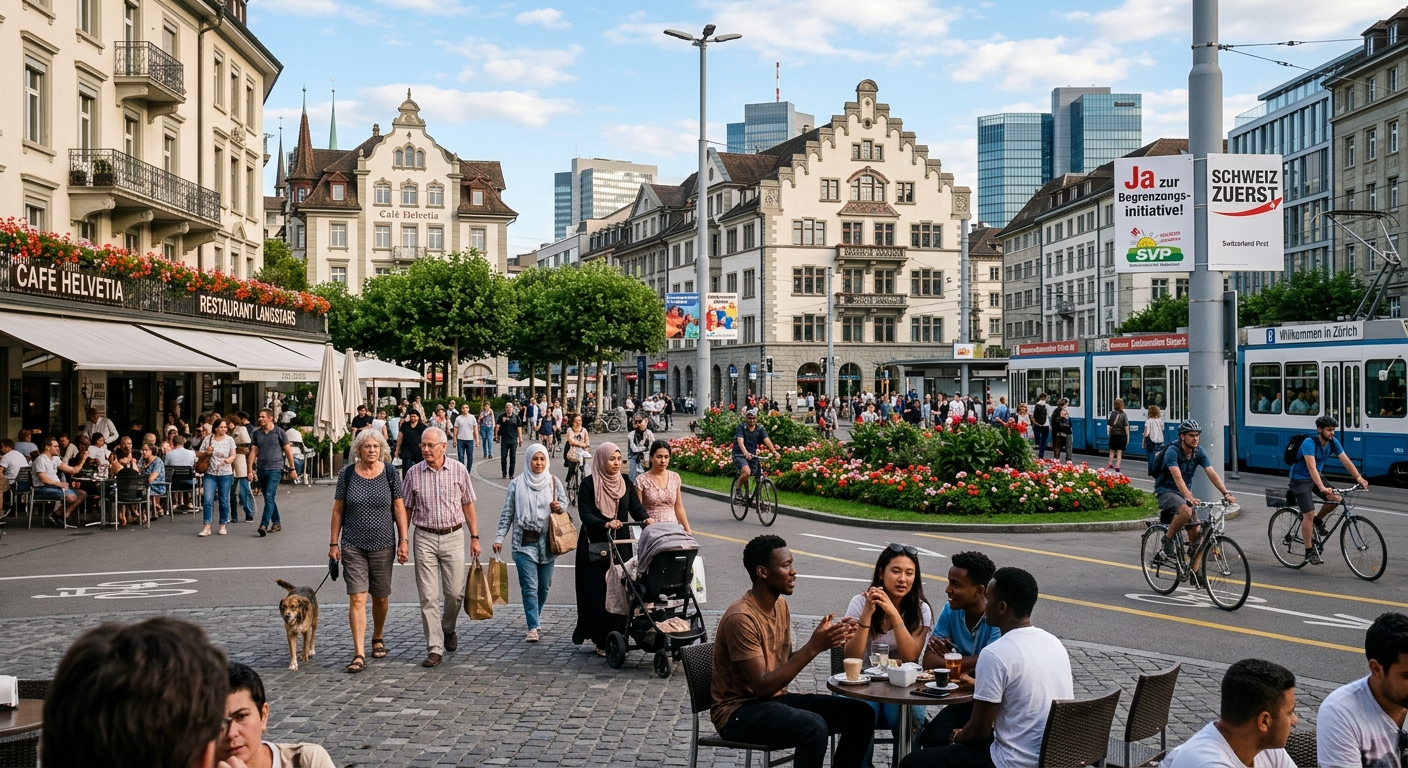
The proposed 10 Million Population Cap Initiative aims to limit Switzerland’s permanent resident population to 10 million by 2050, driven by the Swiss People’s Party (SVP). This initiative seeks to implement restrictive immigration measures if the population exceeds 9.5 million prior to 2050. Concerns over rapid population growth, primarily due to immigration, have fueled public debate, highlighting issues related to housing, infrastructure, and social services versus the potential economic consequences of limiting immigration.
Understanding the Initiative
The Initiative proposes concrete measures: if the population surpasses 9.5 million, restrictions would be placed on asylum applications, family reunifications, and residency permits. This could compel Switzerland to rethink key agreements, such as the EU’s free movement of persons. Proponents assert the cap will protect quality of life, while opponents warn it could worsen labor shortages in critical sectors, given the economic reliance on migrant workers in a country with low fertility rates.
Political and Legal Framework
Switzerland’s direct democracy enables citizens to influence legislation through popular initiatives, requiring 100,000 signatures within 18 months to trigger a nationwide vote. This mechanism ensures public engagement but also means that initiatives can introduce significant constitutional amendments. A double majority vote, both at the national level and among cantons, is required for any initiative to pass, reflecting the interests of diverse regions.
Potential Consequences of the Initiative
Discussions around the initiative have emphasized its potential economic, social, and demographic effects. Supporters link immigration to overburdened infrastructure, while critics fear economic ramifications, particularly in labor-dependent sectors like healthcare and hospitality. As natural population growth stagnates, the initiative aims to block significant immigration flows, which could exacerbate existing labor shortages and impact economic productivity.
Current Public Sentiment and Campaign Dynamics
Public opinion on the initiative is divided, with recent polling indicating a small increase in support, driven by rising concerns about population growth. The SVP’s campaign is characterized by polarizing rhetoric, portraying immigration as a threat, while the federal government and opposition groups advocate against the proposal, citing the need for continued immigration to support economic growth. Regional differences in attitudes toward immigration further complicate the public discourse.
Contextual Comparison
The Swiss initiative mirrors global trends where immigration policy intersect with national culture and economic needs. In contrast to parliamentary-driven policies in many democracies, Switzerland’s direct democracy allows significant public input on immigration issues. Similar restrictive measures have appeared in other European countries, raising questions about balancing national identity with economic reliance on migrant labor.
Looking Ahead
With national referendums scheduled for 2026, the outcome of the population cap initiative will shape Switzerland’s future demographics and immigration policy. As the country normalizes post-pandemic, ongoing debates around population management and its economic implications will be central to political discourse. The interplay between public sentiment and legislative response will significantly impact how Switzerland navigates its demographic challenges in the years to come.
The content is provided by Avery Redwood, 11 Minute Read