Summary
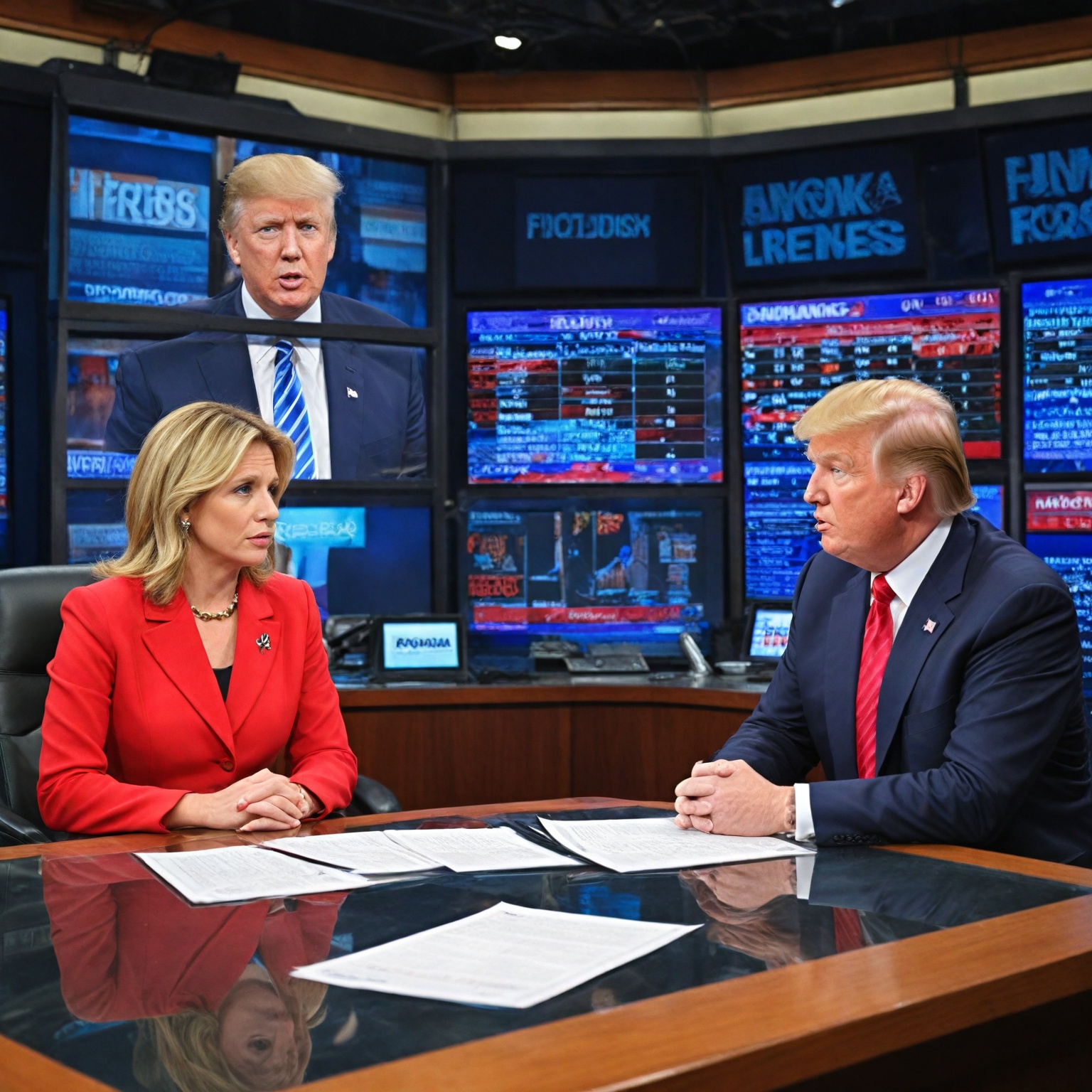
Catch President Donald Trump’s Exclusive Appearance on Squawk Box: Don’t Miss Out is a notable media event highlighting former President Donald Trump’s rare interview on CNBC’s influential morning financial news program Squawk Box on March 11, 2024. Squawk Box, a leading show airing weekdays to an audience of investors, business leaders, and policymakers, is renowned for blending market analysis with political discourse, often featuring prominent figures from the worlds of finance and politics. Trump’s exclusive appearance underscored the program’s significance as a platform where economic and political narratives intersect ahead of the U.S. trading day.
The interview marked Trump’s first major media engagement following President Biden’s State of the Union address and occurred shortly after a campaign rally in Rome, Georgia. During the conversation, Trump addressed a wide range of topics, including U.S. economic policy, monetary issues, trade relations, and regulatory approaches, articulating his vision for the country amid ongoing political polarization. His comments included strong critiques of Federal Reserve interest rate hikes, international trade practices—especially with India—and skepticism toward adopting European regulatory standards in the U.S.
Trump’s appearance generated mixed reactions due to the largely unchallenged nature of several controversial and factually disputed claims made during the interview. Critics questioned CNBC’s journalistic rigor, arguing that the program provided a relatively lenient platform that allowed Trump to assert contentious views without sufficient pushback. Nonetheless, the interview reinforced Squawk Box’s role as a key venue for high-profile discussions that connect political developments with financial market perspectives, reflecting the increasing interplay between politics and economic sentiment in contemporary media.
This event exemplifies the evolving landscape of political communication on business news platforms, illustrating how appearances by influential political figures on financial programs can influence both market perceptions and voter attitudes. Trump’s engagement with Squawk Box not only broadened his media outreach to a financially savvy audience but also highlighted the show’s continuing importance in shaping discourse at the intersection of politics and economics.
Background
“Squawk Box” is a prominent pre-market morning news and talk program that airs live on weekdays from 6 to 9 a.m. Eastern Time, targeting individuals preparing for the U.S. trading day. The show is anchored by Joe Kernen, Becky Quick, and Andrew Ross Sorkin, and is known for bringing the biggest names in business and politics to share their most important stories, effectively bridging Wall Street with Main Street. The program features early-morning analysis and breaking news from the financial markets, alongside engaging banter between hosts and guests, a format originally emphasized by founding host Mark Haines to “inject a little fun” into business news.
Since its inception, “Squawk Box” has featured daily “guest hosts” from the worlds of business and politics, who participate in questioning guests and offering opinions, a distinctive feature that was briefly dropped and later reinstated following a major revamp in December 2005. This revamp included moving the show to the 6:00 a.m. ET timeslot and establishing a tri-anchor format with Kernen, Quick, and Carl Quintanilla, alongside on-air editor Charles Gasparino. Coverage of the market open at 9:30 a.m. ET was transitioned to a newly created program, “Squawk on the Street,” anchored from the New York Stock Exchange by Haines and Erin Burnett. Regular contributors to “Squawk Box” include Sharon Epperson, Rick Santelli, and Steve Liesman, with meteorologists from The Weather Channel providing “Business Travel Forecast” segments.
The program serves as a vital information source for the financial community through mainstream media and often hosts influential figures for interviews. Among its notable guests is former President Donald Trump, who has appeared on “Squawk Box” to discuss pre-market financial news and political topics. Most recently, Trump participated in an on-air phone interview on March 11, 2024, following a campaign rally in Rome, Georgia.
Exclusive Appearance Details
Former President Donald Trump made an exclusive appearance on CNBC’s Squawk Box on Monday, March 11, 2024, marking his first interview since President Biden’s State of the Union address. During the interview, Trump was asked about his vision for the country amid deep political divisions. The conversation notably included a reference to Ken Langone, a businessman who had supported Trump in the previous election and had appeared on Squawk Box about a month and a half earlier. Langone had expressed concerns that a Trump victory could result in “four years of getting even,” a sentiment highlighted to elicit Trump’s response.
The interview was broadcast live on Squawk Box, a prominent early-morning program known for its market analysis and influential guest appearances. The network provided Trump a platform to discuss a range of topics, including China, social media, and cryptocurrency, where he made several contentious and unverified claims without direct challenge during the segment. This appearance underscored Squawk Box‘s role as a key outlet for political and financial discourse, drawing high-profile figures to engage with its financially savvy audience ahead of the U.S. trading day.
Interview Content and Themes
President Donald Trump’s exclusive interview on CNBC’s Squawk Box covered a broad range of topics central to the U.S. economy, monetary policy, trade, and regulatory issues. The discussion provided insights into Trump’s views on economic growth, interest rates, tariffs, and international relations.
A significant portion of the interview focused on economic optimism and growth potential. Trump highlighted his belief in substantial room for GDP expansion, emphasizing a preference for prioritizing domestic economic interests over global considerations. He acknowledged the extensive U.S. expenditure in the Middle East but underscored a “love” for domestic growth and the need to focus on the home economy.
Monetary policy and Federal Reserve decisions were also a key theme. Trump expressed reservations about recent interest rate hikes, despite having appointed a “very good man” to the Fed. He openly disagreed with the Fed’s approach, particularly criticizing the frequency and magnitude of rate increases, indicating his dissatisfaction with tightening measures that could slow economic momentum.
Trade and tariff policies were prominently discussed, with Trump commenting on international trade dynamics. He notably criticized India’s purchase and resale of Russian oil amid the Ukraine conflict, announcing a substantial increase in tariffs on India as a response. This stance was framed within his broader protectionist agenda aimed at safeguarding American economic interests.
Regulatory issues and comparisons to European standards emerged as another theme. Trump questioned the tendency to import European-style regulations into the U.S., especially regarding environmental and national security policies. He implied skepticism about adopting such frameworks, suggesting a distinct American approach to regulation.
Throughout the interview, Trump leveraged the platform to articulate his economic and political priorities, while the Squawk Box hosts facilitated a candid dialogue on issues impacting both Wall Street and Main Street audiences. The interview also reflected the show’s reputation as a venue for high-profile, substantive discussions featuring influential figures from business and politics.
Interview Tone and Style
The interview featuring President Donald Trump on Squawk Box was characterized by a dynamic and engaging tone that combined serious discussion with a touch of informality. The program itself is known for blending early-morning financial news and analysis with lighthearted banter among hosts and guests, which helped set a distinctive conversational atmosphere during the interview. This approach allowed for a broad range of topics to be addressed, from immigration reform to the strength of the U.S. dollar, while maintaining an accessible and inviting style for viewers.
Squawk Box’s format often includes daily guest hosts from the worlds of business and politics, who actively participate in questioning and providing opinions, contributing to the interview’s interactive and multifaceted tone. Regular hosts like Joe Kernen, who conducted the interview with President Trump, are known for fostering this balance between informative content and casual dialogue, which helped shape the overall tone of the conversation. The style was also influenced by the show’s tradition of “injecting a little fun” into business news, a concept emphasized by the original host Mark Haines, making the interview not only insightful but also engaging.
Reception and Public Response
President Donald Trump’s exclusive appearance on Squawk Box garnered significant attention and mixed reactions from both viewers and commentators. The interview was notable for providing Trump a platform to deliver unchallenged statements, including several controversial and false claims, which drew criticism regarding the network’s journalistic rigor. Critics argued that the program allowed the former president, who faced multiple indictments and impeachment, a “safe harbor” to make outrageous remarks without sufficient scrutiny.
Co-host Andrew Ross Sorkin did attempt to press Trump on issues such as the reversal of his stance on banning TikTok, but overall, the interview featured a largely accommodating environment. Joe Kernen, another host, engaged with Trump in a manner that some perceived as lenient, which contributed to the debate about the show’s editorial approach during the segment.
The appearance also sparked discussion among political figures and the public. For instance, Ken Langone, a notable supporter of Trump, expressed concerns on Squawk Box about the potential divisiveness of another Trump presidency, reflecting wider voter apprehension. This exchange underscored the program’s role as a venue for influential voices in business and politics, continuing its tradition of featuring guest hosts and contributors who challenge and engage with prominent figures.
Impact and Significance
President Donald Trump’s exclusive appearance on Squawk Box marked a notable moment in political media engagement, particularly given the program’s reputation as a leading early-morning financial news show with a strong emphasis on market analysis and business insights. The interview provided Trump with a platform to address pressing national issues and economic policies directly to a financially engaged audience, expanding his reach beyond traditional political forums.
The significance of this appearance lies partly in the timing and context of the broadcast. Occurring amid heightened political division and economic uncertainty, Trump’s commentary resonated with a segment of voters concerned about the country’s future direction and market stability. The discussion included candid exchanges on contentious topics such as trade, technology regulation, and domestic policy, reflecting the polarized political climate and the administration’s contentious relationship with media scrutiny.
Moreover, the format of Squawk Box, known for blending market analysis with candid discussions and featuring guest hosts from business and politics, created a distinctive environment for Trump’s remarks. This setting enabled a mix of critical questioning and open dialogue, which some critics noted allowed Trump to make controversial claims with limited immediate pushback. The appearance underscored the program’s influence in shaping investor and public perceptions by connecting political developments directly to economic outcomes.
Finally, Trump’s participation highlighted the evolving nature of political communication on financial news platforms, illustrating how such appearances can impact both market sentiment and voter attitudes. By engaging with a financial audience early in the day, the interview potentially influenced market expectations and investor confidence, especially as volatility indexes suggested a relatively calm market environment despite underlying tensions. This fusion of politics and market discourse exemplifies the growing interplay between economic and electoral dynamics in contemporary media.
Related Appearances and Subsequent Media Engagements
Squawk Box has become known for its distinctive format, featuring daily “guest hosts” from the worlds of business and politics who engage with the core team by questioning guests and offering their own perspectives throughout the broadcast. Regular contributors such as Sharon Epperson of NYMEX, Rick Santelli from Chicago, and Steve Liesman have frequently participated, adding expert insights. Additionally, meteorologists from The Weather Channel provide specialized segments like the “Business Travel Forecast,” further diversifying the program’s content.
The core on-air team originally included Mark Haines, a New Jersey lawyer turned broadcaster, along with in-studio reporters Joe Kernen, David Faber, and Maria Bartiromo at the New York Stock Exchange. This team remained largely intact for many years, creating a consistent and familiar presence for viewers. Joe Kernen has referred to Squawk Box as “our pre-game show,” emphasizing its role in delivering early-morning analysis and breaking financial news, while maintaining an element of fun and informal banter, a vision championed by original host Mark Haines.
Donald Trump’s exclusive appearance on Squawk Box fits within this broader tradition of influential figures engaging with the show’s audience, leveraging its platform for substantive dialogue and media engagement. Following this appearance, similar high-profile guests have continued to contribute to the program’s reputation as a leading venue for timely and insightful financial and political discussion.
The content is provided by Harper Eastwood, 11 Minute Read