
Summary
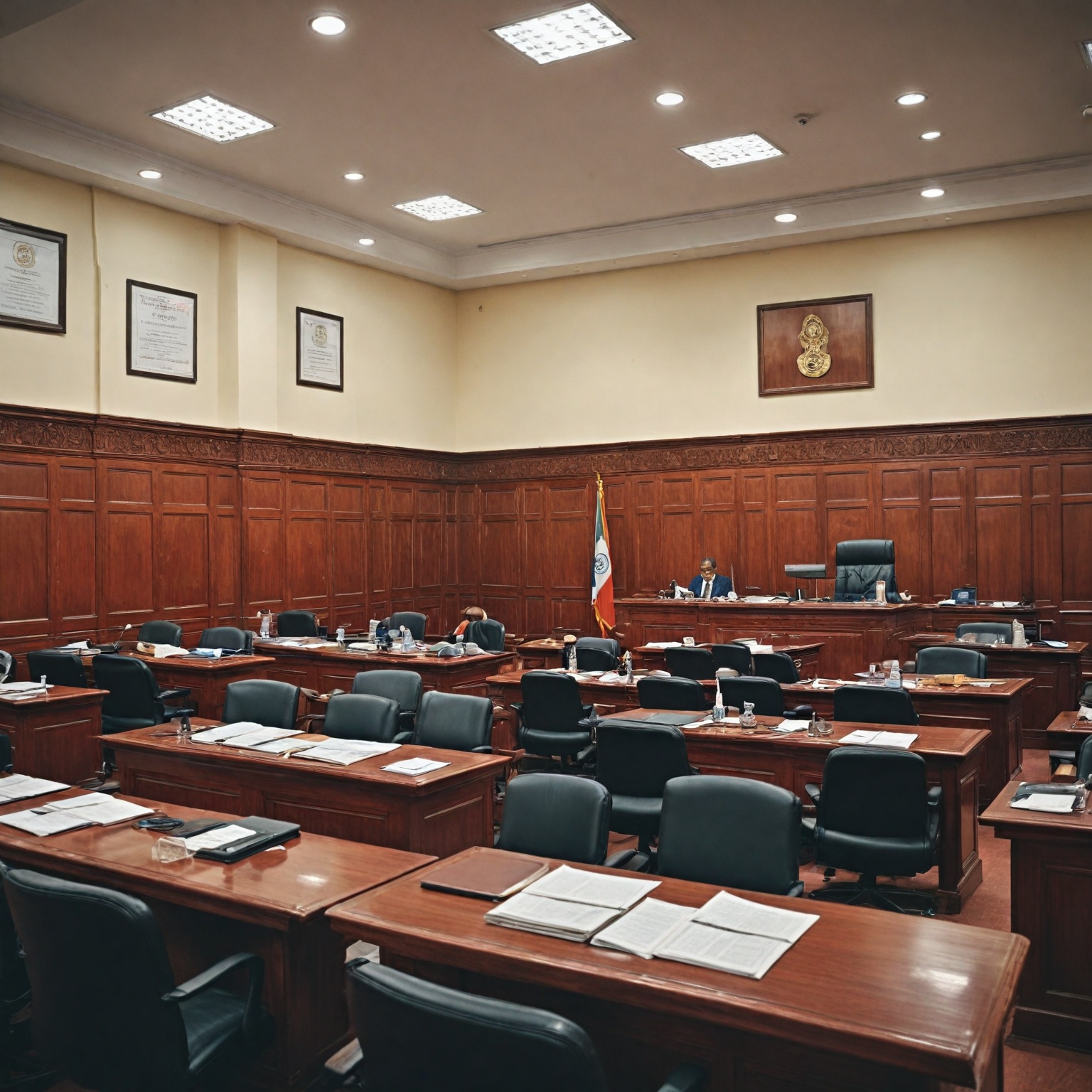
The Goods and Services Tax Appellate Tribunal (GSTAT) is a specialized judicial body established under India’s Goods and Services Tax (GST) regime to adjudicate disputes arising from GST assessments, penalties, interest, and refund orders. Instituted following the rollout of the GST system in July 2017, the Tribunal functions as the second appellate authority after the first appellate forums, aiming to provide a streamlined, uniform, and efficient dispute resolution mechanism across both Central and State GST laws. The constitutional foundation for GST, laid by the 101st Constitutional Amendment Act, 2016, envisioned the creation of GSTAT to reduce the litigation burden on High Courts and facilitate faster, expert adjudication of indirect tax disputes.
The Tribunal is structured with a National Bench in New Delhi and multiple Regional, State, and Area Benches to enhance accessibility for taxpayers throughout India. Empowered with the status of a civil court for certain judicial purposes, GSTAT exercises authority to confirm, modify, annul, or remit decisions passed by lower authorities, ensuring procedural fairness and natural justice in appellate proceedings. Recent legislative reforms, including amendments in 2023, have focused on operationalizing the Tribunal by defining eligibility criteria for its members, refining procedural rules, and addressing jurisdictional overlaps to expedite case resolution and reduce litigation costs.
Despite its crucial role, the GST Appellate Tribunal faced delays in constitution, compelling taxpayers to approach High Courts directly for second appeals, which increased judicial workload and procedural complexity. The government’s subsequent efforts, supported by the GST Council’s recommendations, have aimed to fully operationalize the Tribunal, introduce sunset clauses for certain appeals like anti-profiteering cases, and reduce pre-deposit requirements to balance access to justice with deterrence of frivolous litigation. These measures reflect a broader commitment to enhance transparency, uniformity, and efficiency in GST dispute resolution, thereby fostering greater compliance confidence among businesses and stakeholders.
The GSTAT has also contributed significantly to the evolving jurisprudence of indirect taxation in India, issuing landmark rulings that clarify ambiguous provisions related to input tax credit, refund claims, and procedural compliance. By providing a dedicated forum for resolving complex GST disputes, the Tribunal not only promotes legal certainty but also influences policy formulation and administration within the GST framework. Its continued strengthening is widely regarded as a transformative development in India’s indirect tax regime, promising a more accessible, transparent, and effective appellate system in the years ahead.
Background
The Goods and Services Tax (GST) regime was launched in India in July 2017 as a unified indirect tax system to streamline taxation across the country. The constitutional foundation for GST was established through the 101st Constitutional Amendment Act, 2016, which conferred simultaneous legislative powers to both Parliament and State Legislatures and created the GST Council, a constitutional body responsible for making recommendations on GST matters. The GST Council has been instrumental in facilitating trade measures and rule amendments, including changes to refund calculations, late fee waivers, and tax payment modes.
To resolve disputes arising under GST laws, the legislation provided for a multi-tier appellate mechanism. Initially, appeals could be filed before the adjudicating authorities and subsequently before the Appellate Authority. However, the regime envisioned the establishment of a dedicated Goods and Services Tax Appellate Tribunal (GSTAT) as a second appellate forum, aiming to provide a specialized and streamlined dispute resolution platform. The GSTAT was to have a principal bench in New Delhi, along with regional and state benches to enhance accessibility and reduce litigation burdens on High Courts.
Despite these provisions, the GST Appellate Tribunal was not constituted immediately after the rollout of GST, leading taxpayers to approach High Courts directly for second appeals, thereby increasing the judicial workload. Efforts to operationalize the tribunal gained momentum with amendments to the Central Goods and Services Tax Act in 2023, aligning its provisions with the Tribunal Reforms Act, 2021, and setting eligibility criteria for members and the President of the tribunal. The tribunal’s formation is expected to provide taxpayers with an effective second appellate remedy and contribute to faster resolution of disputes.
The GSTAT operates under procedural rules that govern the filing of appeals, timelines, documentation, and hearing processes. It has the powers of a civil court for specific legal purposes and can confirm, modify, or annul orders passed by lower authorities concerning GST assessments, penalties, interest, and refunds. The tribunal’s structure includes a National Bench handling cases of national importance and several regional, state, and area benches to address geographically dispersed cases, ensuring better access for taxpayers.
Additionally, the GST Council has recommended amendments such as the introduction of sunset clauses for anti-profiteering cases and changes in appellate procedures to reduce overlapping jurisdictions, thereby simplifying the appellate process and minimizing litigation costs. Pre-deposit requirements for filing appeals have also been revised to improve procedural efficiency. Collectively, these measures aim to enhance the effectiveness and uniformity of GST dispute resolution across India.
Legal Provisions Governing the GST Appellate Tribunal
The Goods and Services Tax (GST) Appellate Tribunal was instituted as a second appellate authority to hear appeals against orders passed by the Appellate Authority under both Central and State GST laws. The Tribunal functions to ensure uniformity and consistency in the resolution of disputes arising under GST, thereby reducing the burden on High Courts which would otherwise hear such appeals directly.
Under the GST framework, the term “adjudicating authority” refers to any authority competent to pass orders or decisions under the Act, excluding the Board, the First Appellate Authority, and the Appellate Tribunal itself. Decisions or orders by the Adjudicating Authority can be appealed to either the Central GST Appellate Authority or the State GST Appellate Authority depending on the jurisdiction. The Tribunal operates as a constitutional body empowered to address disputes arising under the GST laws, with a structured hierarchy consisting of National, Regional, State, and Area Benches. The National Bench, situated in New Delhi, handles appeals of national importance.
The procedural framework for appeals mandates that a taxpayer dissatisfied with an order must first obtain a certified copy of the order, prepare the appeal with grounds and evidence, and file it within the prescribed time along with the required fees. The appellate authority has the power to admit additional evidence upon recording reasons in writing, while ensuring the adjudicating authority is given the opportunity to examine evidence and cross-examine witnesses. Appeals must generally be filed within three months of the order, with a possible condonation of delay for up to one month if sufficient cause is shown.
Section 107(11) of the CGST Act empowers the appellate authority or tribunal to enhance or demand amounts following the principle of natural justice, including the opportunity of being heard. No civil court has jurisdiction to entertain questions arising under the GST Act, except as provided in Sections 117 (appeal to High Court) and 118 (appeal to Supreme Court), thus reinforcing the Tribunal’s role as the principal forum for GST disputes.
To balance the interests of taxpayers and revenue, the GST Council has recommended amendments to reduce the pre-deposit requirements for filing appeals. The maximum pre-deposit for appeals to the Appellate Tribunal has been lowered from 20% with a cap of Rs. 50 crore to 10% with a cap of Rs. 20 crore each for CGST and SGST appeals. Additionally, the pre-deposit amount for filing appeals with the appellate authority was reduced from Rs. 25 crore to Rs. 20 crore. Taxpayers must pay a minimum of 10% of the disputed tax as a pre-deposit before filing an appeal, although this percentage may be lowered with competent authority approval.
Further procedural safeguards include the requirement that appeals be electronically filed with subsequent submission of verification documents within seven days for acknowledgment by the Appellate Authority. The appellate process ensures transparency by notifying taxpayers via email and SMS upon filing an appeal against a demand order. Moreover, Rule 109C inserted via Notification No. 26/2022-Central Tax allows applicants to withdraw appeals before a show cause notice or order under Section 107(11) is issued, helping reduce litigation burdens.
Through these legal provisions, the GST Appellate Tribunal upholds the principles of natural justice and procedural fairness while streamlining dispute resolution under the GST regime. Its decisions not only provide relief to taxpayers but also contribute to the evolving jurisprudence in indirect taxation in India.
Procedural Framework and Recent Reforms
The Goods and Services Tax Appellate Tribunal (GSTAT) operates under a structured procedural framework designed to ensure efficient resolution of disputes related to GST assessments, penalties, interest, and refunds. The Tribunal comprises a National Bench located in New Delhi, Regional Benches, State Benches, and Area Benches. The National Bench handles cases of national importance and includes a President, a Judicial Member, and a Technical Member. State and Area Benches are established in a phased manner based on recommendations from the GST Council to improve accessibility for taxpayers across various regions.
Proceedings before the Tribunal are treated as judicial proceedings, with the Tribunal having the status of a civil court for specific legal purposes. Appeals to the Tribunal require payment of fees, which include the tax, fine, interest, and penalty amounts from the original order. In case of disputes, the appellant must pay 20% of the contested amount as GST appeal fees. The Tribunal’s rules govern procedures such as filing appeals, submission timelines, documentation, and conduct of hearings, and are periodically updated to reflect changes in GST regulations.
Recent reforms have been introduced to streamline the appellate process and expedite dispute resolution. In December 2023, Finance Minister Nirmala Sitharaman introduced amendments to the Central Goods and Services Tax Act, 2017, aiming to align the Tribunal’s provisions with the Tribunal Reforms Act of 2021. These amendments clarify eligibility criteria for Tribunal members, enable faster operationalisation of the GSTAT, and address overlapping jurisdictions to reduce procedural delays and litigation costs. The reforms also provide enhanced regional distribution of State Benches to ensure better accessibility for taxpayers in remote or underserved areas.
Additionally, a sunset clause has been recommended for anti-profiteering cases pending before the Tribunal, setting a deadline of April 1, 2025, for receiving new applications in this category. Appeals in anti-profiteering matters are to be shifted from the Competition Commission of India (CCI) to the principal bench of GSTAT. The Tribunal has the authority to confirm, modify, annul decisions, or refer cases back to the First Appellate Authority or revisional authority. In such cases, the benefited party receives notice of the appeal and may file cross-objections within 45 days, extendable by another 45 days for sufficient cause.
These procedural enhancements and reforms collectively aim to simplify appellate proceedings, improve transparency, reduce ambiguity, and provide faster resolution of GST disputes, thereby boosting compliance confidence among businesses and practitioners.
Notable Decisions and Judicial Developments
The GST Appellate Tribunal has played a pivotal role in shaping the jurisprudence surrounding Goods and Services Tax (GST) in India. Its decisions have been instrumental in clarifying ambiguous provisions and fostering uniform interpretation of GST laws across the country, thereby promoting consistency and fairness in tax administration. By addressing disputes related to GST assessments, penalties, interest, and refunds, the Tribunal serves as the final forum of appeal for taxpayers dissatisfied with orders from the adjudicating or first appellate authorities.
A key judicial development has been the Tribunal’s authority to function with the powers of a civil court under the Code of Civil Procedure, 1908, which enhances its capacity to adjudicate matters thoroughly and effectively. This empowerment ensures that the Tribunal’s proceedings are considered judicial in nature and legally robust, aligning with statutory provisions such as sections 193, 228, and 196 relevant to judicial proceedings.
Furthermore, amendments aimed at reducing overlapping jurisdictions have simplified the appellate process, minimizing procedural ambiguities and expediting case resolution. These reforms have contributed to lowering litigation costs and improving compliance confidence among businesses and practitioners alike. The establishment of enhanced regional distribution of State Benches has improved accessibility for taxpayers in geographically distant or underserved areas, facilitating smoother functioning and reducing procedural delays.
The Tribunal’s rulings have also emphasized procedural clarity, such as the requirement for an order from the adjudicating authority before a taxpayer or an unregistered person can file an appeal. In instances of jurisdictional conflicts, the process of referring cases to other Benches and deciding based on the majority opinion of the original and referred Benches further strengthens the judicial process.
Impact and Implications
The establishment and functioning of the Goods and Services Tax Appellate Tribunal (GSTAT) have significantly influenced the landscape of indirect taxation in India. By serving as the primary forum for appeals against decisions of the GST adjudicating authority and the first appellate authority, the Tribunal ensures a consistent and uniform interpretation of GST laws across the country. This uniformity is critical for fostering fairness and predictability in tax administration, which benefits taxpayers, revenue authorities, and policymakers alike.
One of the key impacts of the Tribunal’s rulings is the clarification of procedural and substantive aspects of GST, such as eligibility for input tax credit, refund claims, and compliance requirements. These judgments have addressed complex issues, thereby reducing ambiguities that previously led to litigation and administrative difficulties. The Tribunal’s role in maintaining detailed records of its proceedings and judgments contributes to the development of a robust body of precedents, which further aids in stabilizing the GST framework.
The procedural safeguards available through the Tribunal, including the opportunity for taxpayers and unregistered persons to appeal adverse orders within a stipulated timeframe and the ability to present additional evidence during appeal proceedings, reinforce the principles of natural justice and due process under the GST regime. This accessibility and procedural clarity enhance taxpayer confidence and promote voluntary compliance.
Moreover, decisions emanating from the Tribunal have broader implications beyond individual cases. By setting legal precedents, the rulings influence the formulation of GST policies and administrative practices. The GST Council’s role in recommending the creation and operational modalities of the Tribunal underscores its importance as a constitutional body designed to resolve disputes and advise on key GST issues such as rates, exemptions, and threshold limits. The Council’s endorsement of trade facilitation measures, including amendments to CGST Rules and the establishment of State benches of the Tribunal, further demonstrates the evolving nature of GST governance aimed at improving efficiency and accessibility.
Reception and Commentary
The establishment of the Goods and Services Tax Appellate Tribunal (GSTAT) has been broadly welcomed by taxpayers, legal practitioners, and industry experts for its potential to streamline dispute resolution under the GST framework. The Tribunal’s authority to hear appeals against orders related to assessments, penalties, interest, and refunds, and its power to confirm, modify, annul, or remit cases for further investigation, has been noted as a significant step towards reducing procedural complexities and enhancing judicial efficiency.
Commentators have highlighted that the Tribunal’s clear jurisdictional guidelines and the enhanced regional distribution of State Benches significantly improve accessibility for taxpayers, especially those located in geographically distant or underserved areas. This development is expected to reduce ambiguity around appellate procedures, leading to faster resolutions and lower litigation costs, thereby bolstering compliance confidence among businesses.
However, in the absence of a fully operational GST Tribunal, taxpayers have had to rely on High Courts, often evaluating the merit, monetary impact, and exposure of each case to determine the appropriateness of appeals. The constitution of a Group of Ministers (GoM) to recommend necessary legislative amendments and the proposed changes in the Finance Bill 2023, including an extension of appeal filing timelines aligned with the Tribunal’s setup, reflect the government’s commitment to addressing these challenges.
The legal community has also recognized the Tribunal’s designation as a civil court for specific purposes, with all proceedings treated as judicial, thus ensuring due process and legal rigor. The requirement for appellants to pay fees, including 20% of disputed amounts as appeal fees in certain cases, has been viewed as a measure to discourage frivolous litigation while balancing access to justice.
Moreover, the GST Council’s role in facilitating the Tribunal’s creation and operationalization, through multiple amendments and trade facilitation measures, underscores the collaborative approach taken to strengthen the GST dispute resolution mechanism. Recent landmark rulings analyzed from 2024 demonstrate the Tribunal’s growing impact on clarifying contentious issues such as input tax credit eligibility, GST refunds, and procedural compliance, which is seen as a positive influence on policy and practice for taxpayers and authorities alike.
Subsequent Developments and Future Outlook
Following the landmark rulings and legislative amendments surrounding the Goods and Services Tax Appellate Tribunal (GSTAT), several
The content is provided by Sierra Knightley, 11 Minute Read