
Conflict Overview
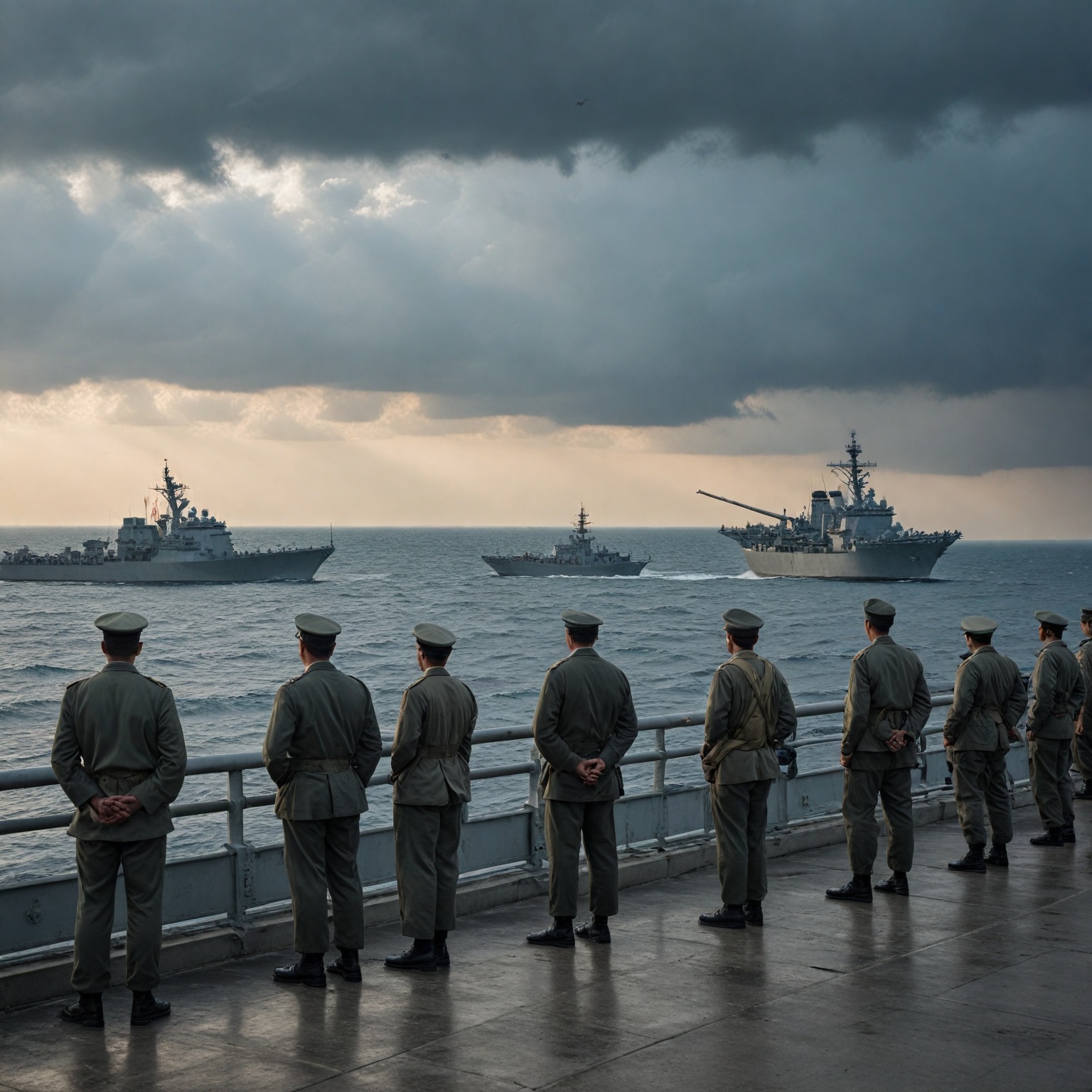
The U.S.-Iran conflict escalated dramatically in early 2024 after diplomatic talks over Iran’s nuclear program failed. President Trump declared war, initiating a U.S.-imposed naval blockade of Iranian ports and military strikes that disrupted global energy markets, particularly in the strategic Strait of Hormuz. While Trump portrayed the military campaign as progressing smoothly and anticipated a quick victory, this outlook oversimplified the complex and challenging realities faced on the ground.
Legality and Accountability
Concerns over the legality of military actions taken under Trump’s administration are prominent. Critics argue that attacking Iranian infrastructure could violate international law and constitute war crimes under the Geneva Conventions. The potential for criminal liability for those involved in such operations raises pressing questions about accountability and oversight, particularly regarding the unilateral military actions taken without explicit congressional approval.
Iran’s Military and Diplomatic Response
In response to escalating tensions, the Iranian government and its Islamic Revolutionary Guard Corps (IRGC) issued strong warnings against U.S. actions, affirming their readiness to defend crucial infrastructure. Iranian officials framed the conflict as one of existential stakes, indicating a conditional willingness to engage in negotiations while emphasizing international law to assert their legitimacy. This dual approach signals a complex interaction between aggression and diplomacy within Iran’s strategy.
Domestic Reactions in the U.S.
Reactions to Trump’s military actions were divided, highlighting significant political tensions. Critics in Congress raised alarms about the lack of authorization for military engagement, with concerns echoing about the implications of unchecked executive power. Legislative initiatives aimed at curbing further military actions against Iran faced obstacles, revealing ongoing tensions between the executive and legislative branches regarding constitutional war powers.
International Perspectives
International responses varied considerably, reflecting diverse regional interests. European leaders criticized the conflict as miscalculated and a violation of international law. Conversely, nations like China, valuing their economic ties with Iran, condemned U.S. actions such as the blockade, calling for de-escalation and the resumption of peace talks. While some Middle Eastern countries navigated their diplomatic responses cautiously, broader international efforts to stabilize the situation remain tenuous.
Military Developments
The conflict led to significant U.S. military actions, including a naval blockade designed to curb Iranian trade and targeted strikes on key military installations. In retaliation, Iranian forces intensified their defensive operations, warning of severe consequences for any attacks on their infrastructure. Such developments underline the precarious state of military engagement and the potential for escalatory cycles amid ongoing hostilities.
Moving Forward
As the situation evolves, the interplay of military, political, and legal factors will shape the conflict’s outcome. Ongoing military readiness from U.S. leaders continues to suggest possibilities for significant escalations, while Iranian officials emphasize the need for serious negotiations that align with international law. The uncertain trajectory of U.S.-Iran relations demands careful consideration of potential diplomatic avenues amid rising tensions and conflicts in the region.
The content is provided by Jordan Fields, 11 Minute Read