Summary
Jimmy Lai is a prominent Hong Kong media tycoon and pro-democracy activist who was found guilty in December 2023 of conspiracy to publish seditious publications and conspiracy to collude with foreign forces under Hong Kong’s national security law and a colonial-era sedition law. The verdict, delivered after a high-profile trial lasting over two years, marks one of the most significant prosecutions under the sweeping 2020 national security law imposed by Beijing to curb dissent and suppress the pro-democracy movement in the city. Lai’s conviction reflects the intensifying crackdown on press freedom and political opposition in Hong Kong following the erosion of the “one country, two systems” framework that was intended to guarantee the city’s autonomy and civil liberties.
Lai, founder of the now-defunct Apple Daily newspaper, was accused of using his media platform to incite hatred against the Chinese Communist Party (CCP) and Hong Kong authorities while allegedly lobbying foreign governments to impose sanctions on China. The court described him as a “mastermind” seeking the downfall of the CCP, emphasizing his intent to destabilize the region’s governance. Lai, who pleaded not guilty to all charges, faces the possibility of a life sentence; he is already serving other sentences related to protest activities totaling nearly a decade.
The trial and verdict have drawn widespread international condemnation from human rights organizations, press freedom advocates, and foreign governments, who denounce the proceedings as politically motivated and a violation of fair trial standards. Human Rights Watch called the conviction a “travesty of justice,” highlighting concerns over Lai’s prolonged solitary confinement and deteriorating health. Critics argue that the case exemplifies the Hong Kong government’s use of national security legislation to silence dissent and curtail democratic freedoms.
Conversely, Hong Kong and Chinese authorities defended the verdict as a legitimate and professional legal process necessary to safeguard national security and stability. The case has become emblematic of the broader suppression of pro-democracy activism and independent journalism in Hong Kong, signaling a marked shift toward authoritarian governance in the city’s political and media landscape. Sentencing for Lai is scheduled for January 2024, with the verdict continuing to draw intense scrutiny over the future of Hong Kong’s judicial independence and civil liberties.
Background
Jimmy Lai, a Hong Kong media tycoon and pro-democracy activist, rose from humble beginnings as a child labourer and stowaway fleeing mainland China to become a billionaire entrepreneur and influential figure in Hong Kong’s democratic movement. After arriving in Hong Kong at the age of 12, Lai worked various odd jobs before founding the successful Asian clothing brand Giordano. The 1989 Tiananmen Square massacre profoundly impacted Lai, shifting his focus towards activism and journalism, eventually leading him to establish the fiercely pro-democracy newspaper Apple Daily, known for its critical stance against the Chinese Communist Party (CCP).
Apple Daily, alongside its parent company Next Digital Ltd., became a vocal and persistent critic of Beijing’s policies, advocating for democratic freedoms and frequently challenging the CCP and Hong Kong authorities. Lai himself was outspoken, famously insulting Chinese premier Li Peng in 1994 and supporting key pro-democracy movements such as the 2003 protests against a proposed national security law and the 2014 Occupy Central movement, which he also actively participated in. These activities made Lai a persistent thorn in Beijing’s side and a symbol of resistance amid Hong Kong’s evolving political landscape.
Following the 2019 pro-democracy protests in Hong Kong, Beijing implemented a sweeping national security law in 2020 designed to suppress dissent and curb the movement. Under this law, Lai was arrested and charged with multiple offenses, including conspiracy to collude with foreign forces and the distribution of seditious publications through Apple Daily. The newspaper was forced to shut down in 2021 under government pressure, marking a significant blow to Hong Kong’s press freedom. Lai, who has spent nearly five years in solitary confinement since his arrest, has been convicted on several other charges and faces possible life imprisonment. His trial represents one of the most high-profile national security cases in Hong Kong and highlights the intensified crackdown on pro-democracy activists following the erosion of the “one country, two systems” model that was supposed to guarantee Hong Kong’s autonomy and freedoms.
Legal Framework
Jimmy Lai was prosecuted under a combination of Hong Kong’s colonial-era sedition law and the more recently enacted national security law (NSL) introduced by Beijing in 2020. The sedition law, which had seen limited application prior to recent years, was revived to target publications deemed seditious, including 161 articles published in Apple Daily, with 33 opinion columns written by Lai himself cited as evidence.
The national security law broadly criminalises acts of secession, subversion, terrorism, and collusion with foreign forces. Specifically, it imposes severe penalties on actions that are considered to undermine the authority of the central government or destabilise Hong Kong’s political order. Lai faced charges of conspiracy to publish seditious publications and conspiracy to collude with foreign forces between July 2020 and February 2021, alongside co-accused entities affiliated with Apple Daily.
The law’s implementation has been widely criticised for eroding Hong Kong’s freedoms and judicial independence, effectively curtailing dissent and creating a climate of fear in the city. Charges under both legal instruments carry severe penalties, with some offences, including sedition and foreign collusion, carrying a maximum sentence of life imprisonment. The application of these laws is part of a broader crackdown on pro-democracy activists and journalists in Hong Kong, including convictions of other journalists and pro-democracy figures under similar charges.
In March 2024, Hong Kong authorities further expanded the legal framework for national security by passing Article 23 legislation, which criminalises treason, sedition, and handling of state secrets, while allowing trials to be held behind closed doors, thus tightening governmental control over dissent.
Legal Proceedings
Jimmy Lai faced multiple charges under the 2020 Hong Kong National Security Law and colonial-era sedition laws. The charges included two counts of colluding with foreign forces, conspiracy to publish seditious materials, and fraud related to alleged breaches of lease conditions for his company’s office premises. Lai pleaded not guilty to all charges throughout the trial, which began in December 2023 and marked one of the most high-profile cases under the national security law.
The prosecution alleged that Lai had used his media outlet, Apple Daily, to publish a series of seditious articles aimed at inciting hatred against the Hong Kong and Chinese governments, as well as to lobby foreign governments for sanctions and punitive measures against China and Hong Kong authorities. Evidence presented included 161 publications from Apple Daily, social media posts, and text messages that the court considered indicative of Lai’s intention to undermine the Chinese Communist Party (CCP) and the Hong Kong Special Administrative Region (HKSAR). The court described Lai as the “mastermind” behind conspiracies targeting the Chinese government, citing contradictory and unreliable testimony from him during the trial.
On January 15, 2024, the court found Jimmy Lai guilty on all charges: two counts of collusion with foreign forces under the national security law and one count of conspiracy to publish seditious materials under the colonial sedition law. Alongside Lai, three Apple Daily-related business entities—Apple Daily Limited, Apple Daily Printing Limited, and AD Internet Limited—were also found guilty of the foreign collusion charges. The verdict was delivered by a panel of three judges appointed specifically for national security cases, with Lai present in a glass enclosure in the courtroom as his family observed the proceedings.
The judgment emphasized Lai’s longstanding resentment towards the CCP and his intent, both before and after the enactment of the national security law, to seek the downfall of the party regardless of the consequences for the people of China and Hong Kong. The ruling framed his activities as a deliberate attempt to destabilize the region’s governance and sovereignty. Human Rights Watch condemned the conviction, calling it a “travesty of justice” following Lai’s prolonged detention, including periods of solitary confinement.
The verdict has been described by advocates as based on “trumped-up national security charges” and part of a broader erosion of democratic freedoms and judicial independence in Hong Kong since the imposition of the national security law. Critics argue that the trial represents a significant blow to press freedom and the pro-democracy movement in the city. However, some experts note that other recent cases, such as those involving Stand News journalists and pro-democracy activists linked to unofficial primary elections, may have broader implications for the region’s autonomy and freedom of expression.
Sentencing for Jimmy Lai is scheduled for January 12, 2024, where he will also have the opportunity to appeal the verdict. The Hong Kong national security police and government officials have expressed support for the verdict, describing the judicial process as professional and legitimate. Meanwhile, the international community remains watchful of developments, concerned about the implications for Hong Kong’s legal system and its status as a global financial hub.
Verdict
On Monday, December 15, Hong Kong’s High Court delivered its verdict in the high-profile trial of pro-democracy media tycoon Jimmy Lai, finding him guilty of conspiracy to publish seditious publications and conspiracy to collude with foreign forces under both the city’s national security law and a British colonial-era sedition law. The trial, which lasted over two years, marked a significant moment in the ongoing crackdown on Hong Kong’s pro-democracy movement, coming shortly after the dissolution of the region’s last pro-democracy party following 31 years of activity.
The court described Lai as a “mastermind” behind conspiracies aimed at destabilizing the Chinese government, asserting that his “only intent … was to seek the downfall of the [Chinese Communist Party]”. Lai, 78, had pleaded not guilty to the charges but was found guilty on all counts. The three charges carry a maximum sentence of life imprisonment, with collusion under the national security law punishable by up to life in prison, while the sedition charge carries a maximum sentence of two years. Lai is already serving protest-related sentences totaling nearly 10 years, and the verdict opens the possibility of a lifetime sentence.
The verdict was met with condemnation from advocates and international observers who described the decision as unlawful and based on “trumped-up national security charges”. Human Rights Watch called Lai’s conviction “a travesty of justice,” highlighting his prolonged solitary confinement over the course of five years during the trial. Meanwhile, Hong Kong’s national security police chief, Steve Li Kwai-wah, welcomed the verdict and praised the professionalism of the trial judges. Chief Executive John Lee also expressed approval, stating that the ruling upheld legal justice and safeguarded Hong Kong’s core values, with the government planning to study the judgment in detail before issuing a comprehensive statement.
Sentencing has been scheduled for a later date, with the next court appearance set for January 12, at which point Lai will have the opportunity to appeal the verdict. The verdict, alongside recent convictions of other pro-democracy figures and journalists, is part of a broader effort by Hong Kong authorities to suppress dissent, including charges against 47 pro-democracy activists over an unofficial primary election and sedition convictions of journalists associated with the now-defunct Stand News.
Reactions
The verdict against Jimmy Lai, finding him guilty of conspiracy to collude with foreign forces and conspiracy to publish seditious material, elicited widespread condemnation from human rights organizations, pro-democracy supporters, and international observers. Amnesty International’s China director, Sarah Brooks, described the verdict as dismaying despite its predictability. Elaine Pearson, Asia director at Human Rights Watch, called the conviction both cruel and a travesty of justice, asserting that the Chinese government’s treatment of Lai aims to silence all critics of the Communist Party. The Committee to Protect Journalists denounced the ruling as a “sham conviction” and a “disgraceful act of persecution,” highlighting the erosion of press freedom and judicial independence in Hong Kong, which are supposed to be safeguarded by the city’s Basic Law.
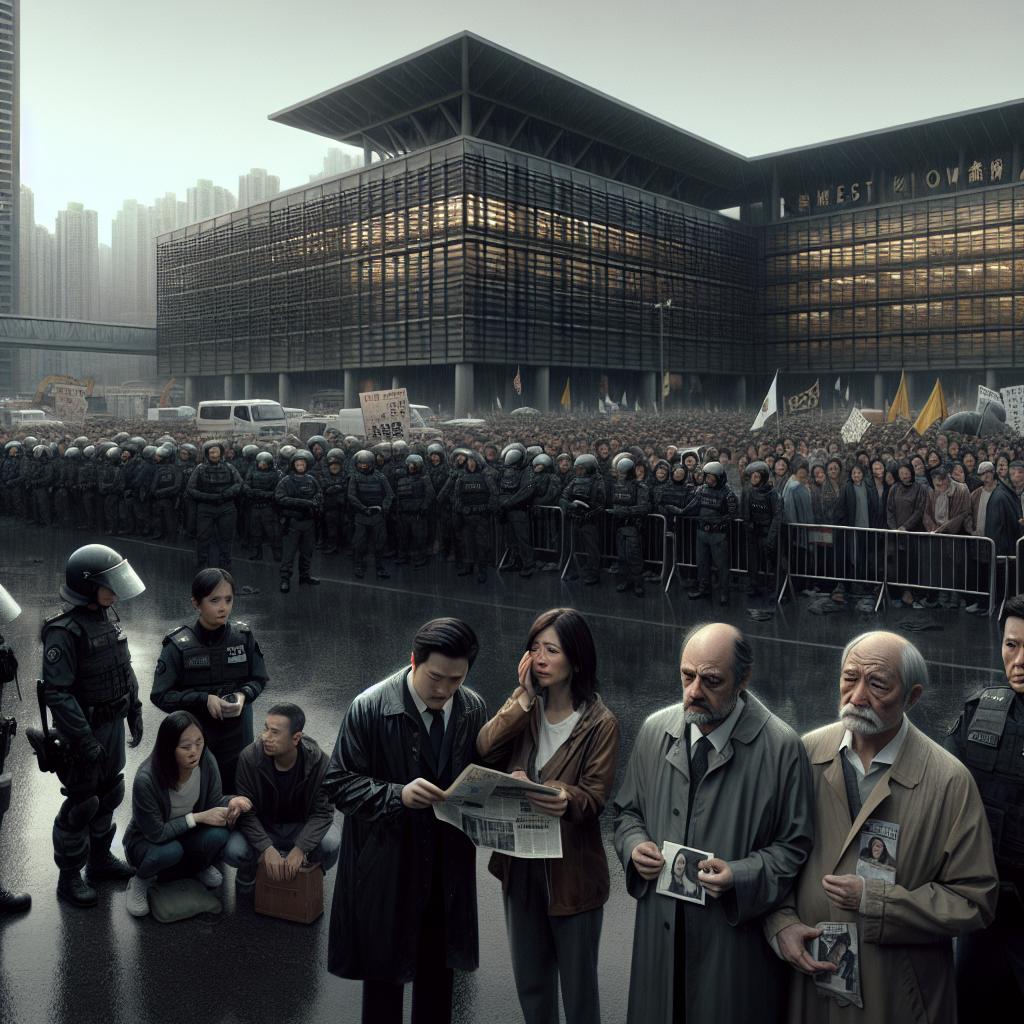
Supporters of Lai gathered outside the West Kowloon law courts in large numbers, with some arriving the night before the verdict was delivered to witness the proceedings. His family raised concerns about his deteriorating health and conditions of solitary confinement, which they claimed were designed to demoralize him; however, Hong Kong authorities denied these allegations. The trial itself, which lasted over two years, was marked by changes in local laws that limited bail rights and restricted foreign lawyers from defending Lai.
The Taiwanese government’s Mainland Affairs Council also called for Lai’s release, interpreting the verdict as a sign that Hong Kong’s freedoms, democracy, and judicial independence are being systematically undermined. The court emphasized that Lai harbored longstanding resentment towards the People’s Republic of China and sought to leverage foreign powers, particularly the United States, to pressure Beijing—evidence drawn from his meetings with senior U.S. officials prior to the imposition of the national security law. The judgment framed Lai’s actions as aimed at the downfall of the Chinese Communist Party, even at the expense of the people of China and Hong Kong.
Conversely, Hong Kong’s national security police chief, Steve Li Kwai-wah, praised the verdict and the professionalism of the trial judges, reflecting the official stance that the prosecution was justified. Meanwhile, Chinese state media and government officials condemned Western politicians and media for allegedly politicizing the case under the guise of human rights and freedom.
The verdict came amid a tense political climate in Hong Kong, shortly after the dissolution of the city’s last pro-democracy party and a “patriots-only” legislative election with record-low turnout. It also followed a deadly residential fire that claimed at least 160 lives, during which Chinese national security authorities warned against any attempts to exploit the tragedy for political agitation reminiscent of the 2019 protests.
Internationally, a coalition of 76 lawmakers from 30 parliaments condemned the verdict, asserting that the prosecution violated Beijing’s obligations under the Sino-British Joint Declaration and international law. They characterized the trial as a sham that failed to meet international standards for a fair trial, attributing Lai’s suffering in part to the international community’s failure to enforce China’s legal commitments. Despite the significance of Lai’s case as the most high-profile prosecution under the national security law, some experts noted that other cases, such as the convictions of journalists from Stand News and the subversion charges against pro-democracy figures, have had even greater impacts on Hong Kong’s press freedom and political autonomy.
Human Rights and Fair Trial Concerns
The conviction of pro-democracy activist Jimmy Lai has elicited widespread criticism from human rights organizations and foreign governments, raising serious concerns about the fairness of his trial and the broader state of judicial independence in Hong Kong. Lai has been held in custody for over five years, much of it in solitary confinement, during which he has suffered from chronic health conditions including diabetes, high blood pressure, and heart palpitations, prompting growing alarm among his family and supporters about his deteriorating health.
Numerous rights groups have condemned the verdict as unjust and politically motivated. Human Rights Watch described the conviction as “both cruel and a travesty of justice,” emphasizing that the Chinese government’s treatment of Lai is intended to silence critics of the Communist Party. Amnesty International echoed these sentiments, characterizing the trial as a “death knell for press freedom in Hong Kong” and calling for Lai’s immediate release due to the increasing risk to his health. Media advocacy groups such as Reporters Without Borders have labeled the proceedings a “sham,” asserting that Lai’s only “crime is running a newspaper and defending democracy”.
The case has drawn intense international scrutiny, spotlighting concerns over the erosion of judicial independence amid Beijing’s sustained crackdown on dissent following the 2019 pro-democracy protests. Critics argue that the Hong Kong court system has become politicized and compromised, undermining the principles of fair trial and due process. Governments including those of the United Kingdom and Taiwan have called on Hong
Impact and Aftermath
The conviction of Jimmy Lai marked a significant moment in Hong Kong’s ongoing national security crackdown and drew widespread international condemnation. Observers and human rights organizations characterized the verdict as a severe blow to press freedom and democratic expression in the city. Amnesty International’s China director, Sarah Brooks, described the conviction as “dismaying,” emphasizing concerns over Lai’s deteriorating health in prison and calling for his immediate release to be reunited with his family. Similarly, Elaine Pearson of Human Rights Watch condemned the verdict as both cruel and a travesty of justice.
Lai’s case has become emblematic of the broader suppression of dissent following the imposition of the 2020 National Security Law, which criminalizes acts considered secession, subversion, terrorism, or collusion with foreign forces. The law has been criticized for stifling freedoms of speech and press in Hong Kong, fundamentally altering the city’s political landscape from the promises of autonomy under the “one country, two systems” framework. Lai, as a prominent pro-democracy media tycoon and outspoken critic of Beijing, was swiftly targeted under this legislation, with the government enacting further legal measures to limit his defense, including restrictions on bail and foreign legal representation.
Following the verdict, Beijing’s national security office in Hong Kong denounced Lai as a “pawn of external anti-China forces” and accused Western politicians and media of politicizing Hong Kong under the guise of human rights. This narrative underscores the Chinese government’s stance that the crackdown is necessary to maintain stability, though critics argue it has fostered a climate of fear and curtailed political freedoms.
Despite the high-profile nature of Lai’s trial, some experts note that other cases related to Hong Kong’s crackdown on dissent may have more profound implications for the city’s press freedom and autonomy. These include convictions of journalists from the now-defunct pro-democracy outlet Stand News on sedition charges, and the subversion convictions of dozens of pro-democracy activists involved in an unofficial primary election. Nevertheless, Lai’s case remains a potent symbol of the wider erosion of democratic rights in the territory.
Internationally, the case has intensified scrutiny over Hong Kong’s judicial independence and the shrinking space for political opposition in the city since the 2019 pro-democracy protests. Supporters of Lai regard him as a champion of freedom and democracy, while Beijing portrays him as a mastermind behind unrest and a conspirator seeking foreign interference. The verdict, therefore, not only affects Lai personally but also signals a broader shift towards greater authoritarian control over Hong Kong’s political and media spheres.
The content is provided by Blake Sterling, 11 Minute Read