Why South Koreas Economy is Still Waiting for the AI Chip Boom: Insights from a Nomura Economist
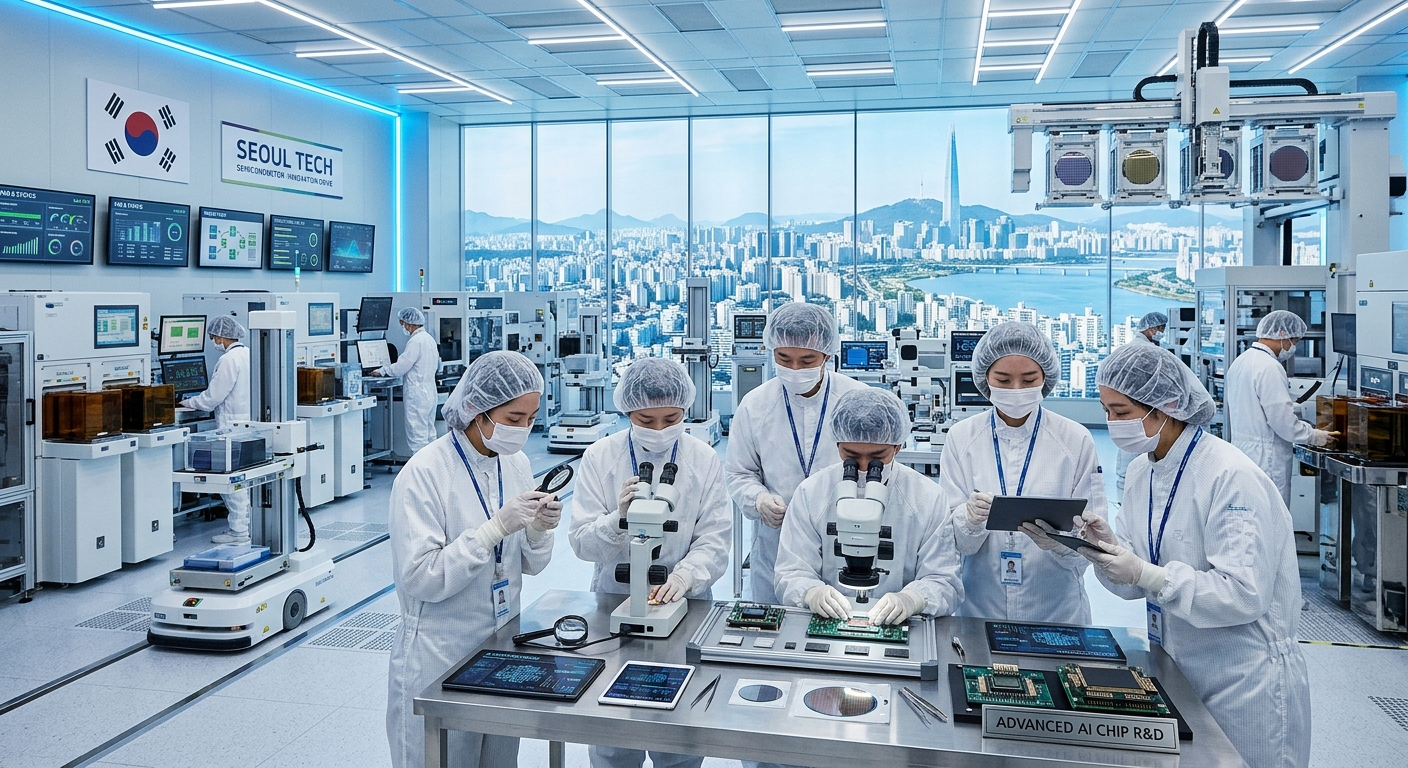
Current Landscape of South Korea’s AI Semiconductor Industry
South Korea’s economy is at a crossroads, motivated by the burgeoning AI semiconductor market, projected to rise from USD 61.45 billion in 2023 to over USD 621 billion by 2032. While South Korea excels in memory semiconductors, holding nearly 57% of the global market, it lags in non-memory AI chip technologies, which limits its capabilities. Major players like Samsung Electronics and SK Hynix are investing in partnerships and developments to harness this growth potential, reflecting a shift towards innovation in specialized sectors.
Government and Industry Investments
The South Korean government has initiated ambitious plans to enhance its semiconductor landscape, pledging $470 billion towards the creation of a semiconductor cluster by 2030. This investment aims to stimulate innovation and support the development of an ecosystem that includes startups and research institutions. Collaborative efforts are essential to scale production capabilities and leverage partnerships with tech giants like Nvidia, thereby enhancing competitiveness in the global market.
Challenges and Constraints
Despite promising developments, South Korea’s AI chip industry faces considerable hurdles, including high R&D costs projected to exceed $30 billion, which disproportionately impacts smaller firms. Additionally, significant capital is required to establish advanced research facilities, deterring new market entrants. Compounding these issues is a critical shortage of skilled professionals, with an estimated 30,000 engineer deficit, which hampers progress in developing and commercializing AI chips.
Insights from Economic Analysis
According to Nomura economist Park Jeong-woo, while semiconductor exports have shown strength, they have not led to a substantial domestic economic uplift. Key economic indicators, such as a modest growth projection of 2.4% and uneven consumption trends, highlight the slow transmission of semiconductor success to broader economic benefits. This suggests a need for a more robust mechanism to translate export strength into domestic job creation and consumer spending.
Strategic Initiatives for Competition
South Korea is actively pursuing a strategy to reinforce its semiconductor sector through extensive government and private sector cooperation. Investments in AI research and development, alongside the launch of the K-Semiconductor Belt, are designed to foster synergy among various stakeholders in the semiconductor supply chain. By enhancing its infrastructure and regulatory framework, South Korea aims to solidify its position in the competitive global semiconductor landscape.
Comparison with Global Rivals
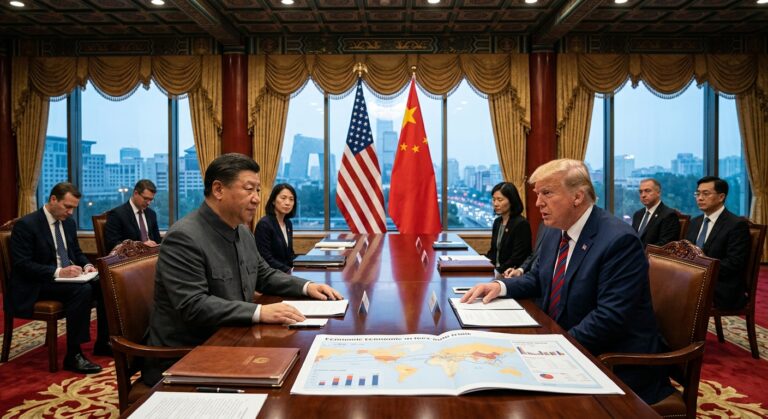
In the global semiconductor arena, South Korea must contend with strong competitors like the United States and China. The U.S. benefits from significant government incentives under the CHIPS Act, while China continues to bolster its domestic production capabilities, albeit with technological gaps. South Korea’s strength in manufacturing is critical, but it must enhance its research and development in AI to remain competitive against these formidable rivals.
Future Outlook and Opportunities
Looking ahead, South Korea’s AI semiconductor sector shows strong promise driven by ongoing investments and rising global demand. With a commitment to developing advanced semiconductor technologies, South Korea is well-positioned to benefit from the rapid growth expected in the AI chip market. Strategic collaborations with academia and industry are key to addressing workforce shortages and remaining agile amid evolving technological demands.
The content is provided by Jordan Fields, 11 Minute Read