Summary
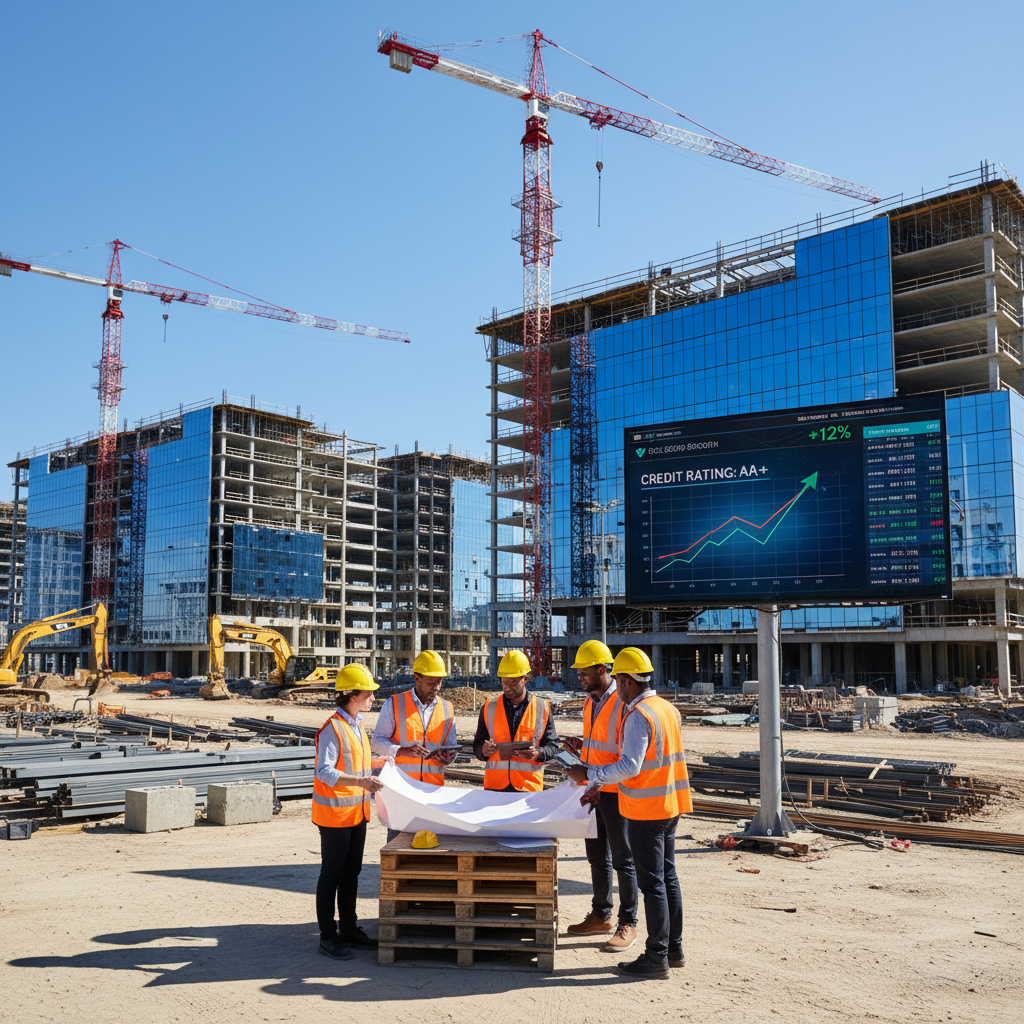
Data center developers are pursuing credit ratings during construction to navigate the complex financial landscape shaped by increased capital intensity and lengthy development timelines. Major hyperscale operators necessitate substantial upfront investments, making credit ratings essential for securing favorable financing across various capital markets. By enhancing project creditworthiness, credit ratings give developers access to improved financing terms even before facilities become operational, mitigating risks associated with execution and refinancing.
Motivations for Pursuing Credit Ratings
Developers seek credit ratings during construction primarily to manage financial risks and improve access to diverse capital sources. Credit ratings standardize assessments of creditworthiness, facilitating multi-source financings that can lead to more competitive terms compared to traditional loans. Moreover, they address refinancing risks prevalent in capital-intensive projects, assuring lenders of the durability of cash flows, especially when backed by high-credit-quality tenants.
Influence on Project Development
Credit ratings significantly impact project financing by facilitating access to various capital markets and influencing debt structuring. They streamline complex financing arrangements such as project finance or asset-backed securities (ABS), affording developers greater flexibility and improved liquidity. Additionally, credit ratings are pivotal in evaluating refinancing risks and help negotiate favorable financial terms like lower interest rates and relaxed covenants.
Assessment Criteria for Credit Ratings
Credit rating agencies employ criteria focusing on cash flow predictability, tenant quality, and operational resilience when evaluating construction projects. Long-term leases with investment-grade tenants enhance revenue certainty, while the assessment of operational factors and refinancing risks informs overall credit quality. This scrutiny ensures that ratings reflect the unique characteristics of data center projects throughout their life cycles.
Challenges in Credit Rating Assessments
Data center construction projects encounter challenges due to limited historical data, complicating the forecasting of project sustainability. Execution risks, often exacerbated by the sector’s rapid growth, require careful evaluation of developer capabilities and financial stability. Additionally, fluctuating demands and technology advancements contribute to credit risk, necessitating adaptive methodologies from credit rating agencies to address issues like refinancing risks and sustainability implications.
Global Variations in Financing Practices
The global growth of data centers reflects a trend toward sophisticated financing strategies, often involving diverse capital sources. Different regions exhibit variations in financing structures, influenced by market conditions and regulatory considerations, such as the adoption of sustainability measures in project financing. Credit rating methodologies are being refined globally to account for the distinct risks associated with data center finances, enhancing their marketability despite challenges posed by historical data limitations.
Future Trends and Sustainability
The data center industry’s growth through 2030 will increasingly hinge on the integration of sustainability in financing practices. The rise of green loans and bonds highlights a move towards financing environmentally responsible projects, aligning with growing investor demand for sustainable investing. As regulatory scrutiny intensifies, developers will need to adapt their financing strategies to meet both market expectations and environmental goals, influencing both investment opportunities and capital costs in the evolving landscape.
The content is provided by Blake Sterling, 11 Minute Read