
Summary
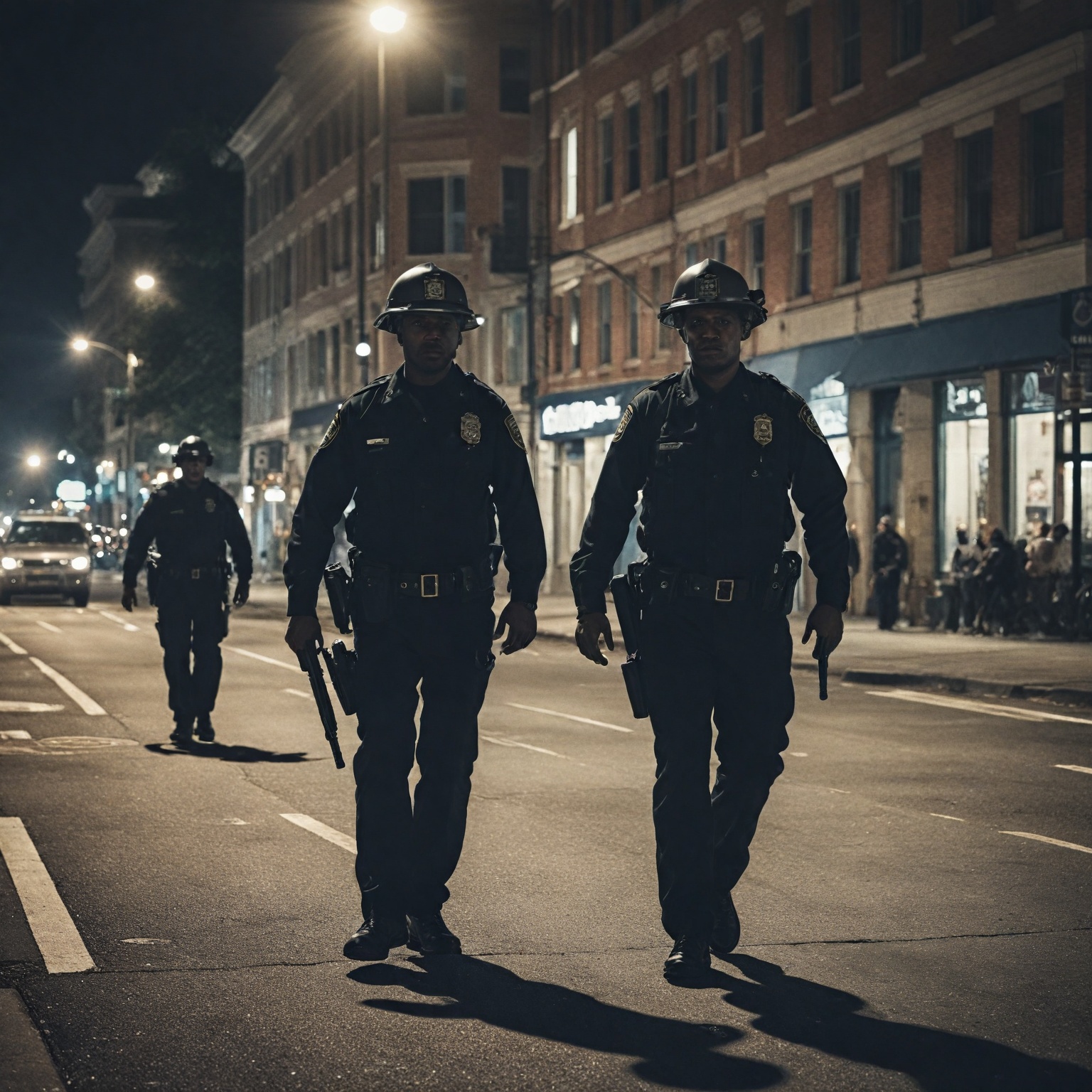
The 2025 crime crackdown in Washington, D.C., initiated under former President Donald Trump’s administration, involved a significant federal intervention in the city’s law enforcement operations aimed at reducing violent crime and improving public safety. This initiative included the deployment of federal law enforcement officers, National Guard troops, and coordinated efforts among multiple agencies such as the FBI, U.S. Marshals Service, and the Metropolitan Police Department of the District of Columbia (MPDC). Despite the high-profile nature of the crackdown and increased federal presence, crime data from the MPDC and the U.S. Department of Justice indicate that violent crime in Washington, D.C. had already declined substantially prior to the intervention, reaching a 30-year low in 2024 and continuing to fall in 2025.
The federal crackdown was justified by Trump as a necessary response to rising violence and disorder, invoking presidential authority under a 1973 law to direct law enforcement activities in the nation’s capital during emergencies. However, these claims were contested by local officials, including Mayor Muriel Bowser and D.C. Attorney General Brian Schwalb, who emphasized that crime statistics did not support the narrative of a crime surge and raised constitutional concerns about federal overreach into local governance under the city’s Home Rule Act. The intervention sparked significant political controversy, with critics characterizing it as a politically motivated power grab and others defending it as essential to protecting federal property and residents.
In addition to crime reduction efforts, the federal initiative encompassed quality-of-life enforcement measures such as clearing homeless encampments and restoring public spaces through the establishment of the “D.C. Safe and Beautiful Task Force.” These actions further intensified debates around the balance between federal authority and local autonomy, as well as the effectiveness and ethics of punitive approaches versus community-led strategies in addressing urban challenges. Public opinion within the District remained divided, with some residents welcoming increased security presence while others expressed unease over the scale and nature of the federal response.
Overall, the Washington, D.C. crime crackdown highlights the complexities of policing in a federal district with overlapping jurisdictions, the importance of data-driven and community-based interventions in reducing violence, and the enduring tensions between federal authority and local self-governance. The episode serves as a case study in how political narratives and law enforcement policies intersect with constitutional issues and public perceptions of safety in the United States’ capital.
Background
In early 2024, violent crime in Washington, D.C. saw a significant decline compared to previous years. According to data from the Metropolitan Police Department (MPD), total violent crime decreased by 35% from 2023, marking the lowest levels recorded in over three decades. Specific categories also saw notable reductions: homicides fell by 32%, robberies by 39%, armed carjackings by 53%, and assaults with dangerous weapons by 27%. This overall downward trend continued into 2025, with a further 26% decrease in violent crime year-to-date compared to 2024. Despite these improvements, the city had experienced periods of increased violence during 2023, with peaks in homicides, gun assaults, robberies, and carjackings reported during the summer months. Nevertheless, Washington’s crime rates remained relatively high compared to other large U.S. cities but demonstrated a clear pattern of decline in recent times.
Law enforcement in the District of Columbia is complex due to overlapping jurisdictions among federal and local agencies. The Metropolitan Police Department (MPD) serves as the primary law enforcement body, but federal agencies such as the Bureau of Alcohol, Tobacco, Firearms and Explosives (ATF), U.S. Park Police, U.S. Marshals Service, ICE, and the FBI also operate within the city. This multifaceted structure complicates efforts to present a unified response to crime.
In this context, former President Donald Trump repeatedly criticized Washington, D.C. for purported rising crime, prompting a federal crackdown that involved a surge of multiple law enforcement agencies. The White House cited crime statistics to justify the intervention, although these claims contrasted sharply with the Justice Department’s data showing a 30-year low in violent crime shortly before Trump’s inauguration. The deployment of federal officers was met with criticism from local leadership, including Mayor Muriel Bowser, who described the action as “unsettling and unprecedented,” highlighting D.C.’s limited home rule status and vulnerability to federal intrusion. Federal agencies made visible their presence in the city, with coordinated operations near areas such as the Petworth Metro station, aiming to enhance public safety. Residents expressed mixed reactions, with some accepting the measures if they contributed to crime reduction. Mayor Bowser emphasized that all federal law enforcement personnel would be identifiable to prevent confusion amid the increased number of agencies active in the District.
The 2025 Crime Crackdown
In 2025, Washington, D.C. experienced a notable federal and local law enforcement initiative aimed at reducing crime, particularly violent offenses. Despite public perception fueled by political rhetoric, crime statistics from the Metropolitan Police Department of the District of Columbia (MPDC) indicate a significant downward trend in violent crime rates. Violent crime overall was down 26% year-to-date in 2025 compared to the same period in 2024, and robbery specifically dropped by 28%. In June 2025, reported violent incidents decreased by 65% from the August 2023 peak.
Former President Donald Trump deployed federal resources to Washington, D.C., including up to 120 FBI agents reassigned to street patrols to assist local law enforcement, as well as 800 National Guard members to bolster public safety efforts. The federal response was justified by Trump citing a 1973 federal law that permits presidential authority to direct the Metropolitan Police for federal purposes during declared emergencies, such as maintaining order and protecting federal property in the nation’s capital. However, this assertion of federal control sparked legal and political controversy, given Washington’s unique status as a federal district with limited self-governance and the Home Rule Act that grants the city elected local officials authority over municipal matters.
The crackdown incorporated coordinated efforts among multiple federal and local agencies, including the United States Secret Service, United States Marshals Service, U.S. Park Police, Immigration and Customs Enforcement units, and Metro Transit Police, working alongside the MPDC to patrol high-traffic and crime-prone areas. The Bureau of Alcohol, Tobacco, Firearms and Explosives and the FBI collaborated in enforcement operations focused on firearms arrests and violent offenders through initiatives such as Project Safe Neighborhood, launched in April 2022. This program involves daily reviews of firearms arrests to determine prosecution jurisdiction, targeting violent crews and drug trafficking networks operating in vulnerable neighborhoods, contributing to the overall crime reduction.
Despite these federal interventions and increased law enforcement presence, some local leaders, including D.C. Mayor Muriel Bowser and Attorney General Brian Schwalb, expressed concerns over the constitutionality and effectiveness of the federal takeover, emphasizing the city’s review of legal options and the need to uphold local governance while cooperating with federal partners. Furthermore, Trump and the DC Police Union questioned the accuracy of the MPDC’s crime statistics, suggesting discrepancies between reported data and on-the-ground realities.
The 2025 crackdown also extended beyond crime to address quality-of-life issues, including homelessness. Trump established the “D.C. Safe and Beautiful Task Force” in March 2025, aiming to clear homeless encampments on federal land, enforce quality-of-life laws, support local police recruitment, and restore public spaces and federal monuments. Critics warned that such measures could undermine the city’s autonomy and divert federal law enforcement resources from their traditional investigative roles.
Crime Statistics and Impact of the Crackdown
Crime statistics in Washington, D.C. have shown a significant decline in violent offenses following a peak in 2023. Key categories of violent crime have experienced notable reductions: homicides decreased by 32%, robberies by 39%, armed carjackings by 53%, and assaults with dangerous weapons by 27% compared to 2023 levels. These figures represent the fewest assaults with dangerous weapons and burglaries recorded in the District in more than three decades. Total violent crime in 2024 was down 35% from 2023, marking the lowest annual level in over 30 years.
The crackdown initiated under former President Trump’s administration included deploying the National Guard and pledging intensified law enforcement efforts in the city. Despite these efforts, some skepticism about the accuracy of crime statistics was voiced by Trump and the DC Police Union, who questioned the veracity of the MPDC’s reported figures. However, experts such as Adam Gelb, CEO of the Council on Criminal Justice, have affirmed the unmistakable and large drop in violence since mid-2023, noting variations in data depending on the time frame and types of crime analyzed.
Prosecutorial outcomes have also improved significantly during this period. The percentage of felony cases with prosecutorial outcomes increased from 66% in Fiscal Year 2018 to 85% in Fiscal Year 2024. The U.S. Attorney’s Office reported that in the first half of 2024, over 90% of arrests for violent gun crimes and nearly 70% of gun possession arrests were charged at the time of arrest. Efforts to address prior barriers such as the lack of drug testing at arrest have contributed to these improvements.
Localized enforcement actions have demonstrated tangible effects on crime reduction. For instance, the arrest of a crew operating a drug market in the MLK Mellon area led to a 66% reduction in violent crime when comparing the six months before and after the arrests. Additionally, June 2025 recorded just 12 violent incidents, reflecting a 65% decrease from the peak in August 2023.
While some discrepancies have been noted between MPDC’s publicly released data and figures reported to the FBI, these are generally attributed to data reporting issues rather than intentional misrepresentation. The overall trend, supported by extensive open data from the MPDC, strongly indicates a genuine and sustained decline in violent crime following the crackdown.
Political and Public Responses
The decision by President Donald Trump to federalize Washington, D.C.’s police force and deploy National Guard troops sparked immediate and polarized reactions from political leaders and the public. Mayor Muriel Bowser openly questioned Trump’s motives, suggesting that the move was more about demonstrating federal force than addressing an actual surge in crime. She pointed out that violent crime in the city had recently reached a 30-year low and described the federal intervention as “unsettling and unprecedented,” though she acknowledged limited capacity to oppose it and signaled willingness to cooperate.
D.C. Attorney General Brian Schwalb condemned the administration’s actions as “unprecedented, unnecessary, and unlawful,” emphasizing that the city was not experiencing a crime emergency. Schwalb cited official crime statistics showing historic lows in violent crime the previous year and a continued 26% decrease in the current year. Meanwhile, some Democratic leaders framed the federal takeover as a political power grab rather than a genuine effort to improve public safety. Senate House Minority Leader Chuck Schumer criticized the crackdown on social media as a distraction from ongoing controversies surrounding Trump.
On the other hand, proponents of the federal intervention argued that rising violence in Washington, D.C. was endangering public servants, residents, tourists, and the federal government’s ability to function effectively. Officials supporting the move highlighted disruptions to transportation and the diversion of critical public resources due to the city’s alleged failure to maintain public order. This perspective was used to justify the declaration of a “public safety emergency” and the deployment of 800 National Guard troops alongside federal law enforcement officers.
The broader political discourse also touched on historical approaches to crime and law enforcement. The pushback from progressive activists calling for police defunding was viewed by some commentators as a political liability that Republicans capitalized on, harkening back to the crime policies of the 1990s under President Bill Clinton and then-Senator Joe Biden, which emphasized increased law enforcement funding and tougher sentencing.
Public sentiment within Washington, D.C. appeared divided. While official crime rates suggested improvements, many residents reported feeling unsafe in certain neighborhoods and public spaces, indicating a disconnect between statistical trends and personal perceptions of safety. This gap fueled the debate over the appropriateness and effectiveness of the federal response.
Amid these controversies, local law enforcement agencies maintained complex jurisdictional responsibilities involving multiple federal and city entities, including the Metropolitan Police Department, the United States Park Police, and others. The federalization of the Metropolitan Police Department was seen by some as an extension of existing collaborative relationships between federal and local agencies, though the scale and nature of the takeover were unprecedented.
Analysis of Motivations and Political Context
President Donald Trump’s decision to place the Washington, DC police department under direct federal control and deploy National Guard troops to the city was officially framed as a response to rising crime and public safety concerns in the nation’s capital. Trump repeatedly asserted that Washington had been “overtaken by violent gangs and bloodthirsty criminals,” promising to restore order and “not take it anymore”. However, these claims have been challenged by local officials and data, with overall crime numbers in the city reported as lower in 2024 compared to previous years.
The move reflects a broader trend in Trump’s second term toward the militarization of civilian government functions and law enforcement, as seen in his deployment of thousands of active-duty troops to the southern border. Critics argue that the federal intervention in DC’s policing represents an extraordinary assertion of executive power over a city that, as a federal district, falls under congressional authority rather than that of any state. This raises significant constitutional, legal, and political concerns about the limits of presidential authority and local self-governance.
Local leaders, including Mayor Muriel Bowser, expressed skepticism about the president’s motives, suggesting that the increased federal presence was more about projecting force than addressing a genuine spike in crime. The city’s police department and the mayor’s office reportedly were not informed ahead of Trump’s announcement, exacerbating tensions between federal and local authorities. The deployment also involved reassigning FBI agents from traditional investigative roles to street patrols, further indicating the extraordinary nature of the federal crackdown.
Historically, the authority for a federal takeover of the DC police force is grounded in provisions that allow presidential control during “special conditions of an emergency nature”. Such measures have precedent only in extreme situations, notably during the January 6, 2021 Capitol riots. The current crackdown is therefore viewed by many as a politically charged move, highlighting partisan divides and the weaponization of law-and-order rhetoric. It has exposed challenges within the Democratic Party in responding to Trump’s hardline stance on crime and governance.
Community and Civil Society Reactions
Community leaders and civil society organizations have expressed strong opposition to the federal takeover of Washington, D.C.’s policing, emphasizing that the move contradicts recent positive trends in public safety. Despite violent crime having fallen to a 30-year low according to U.S. Department of Justice data, the decision to federalize the police was met with protests and criticism from local officials and advocacy groups. Critics argue that the most effective reductions in youth violence have resulted from community-led, accountability-driven interventions rather than punitive federal crackdowns.
Local government representatives have underscored the importance of collaboration with federal partners while maintaining that the city’s safety challenges are being addressed through ongoing initiatives. Mayor Muriel Bowser highlighted that the city is “not experiencing a crime spike” and pointed to existing programs, such as Project Safe Neighborhood implemented in April 2022, which involves daily reviews of firearms arrests to ensure appropriate prosecution. Moreover, data indicate that homelessness in the city has declined nearly 20% over the past five years, a point stressed by service organizations like So Others Might Eat (SOME) that provide critical social services to vulnerable populations.
Despite official statistics showing decreases in crime and homelessness, the federal administration’s narrative painted a different picture, citing concerns about public safety, disruption to federal operations, and urban decay. This divergence has fueled tension between federal authorities and community advocates, who warn that focusing on punitive measures and targeting homeless individuals without comprehensive social support risks undermining the progress made by local initiatives. Overall, the response from civil society underscores a preference for community-driven strategies over federal intervention as the means to sustain long-term safety and social stability in Washington, D.C..
Broader Implications and Lessons Learned
The crime crackdown in Washington,
The content is provided by Blake Sterling, 11 Minute Read


