
Summary
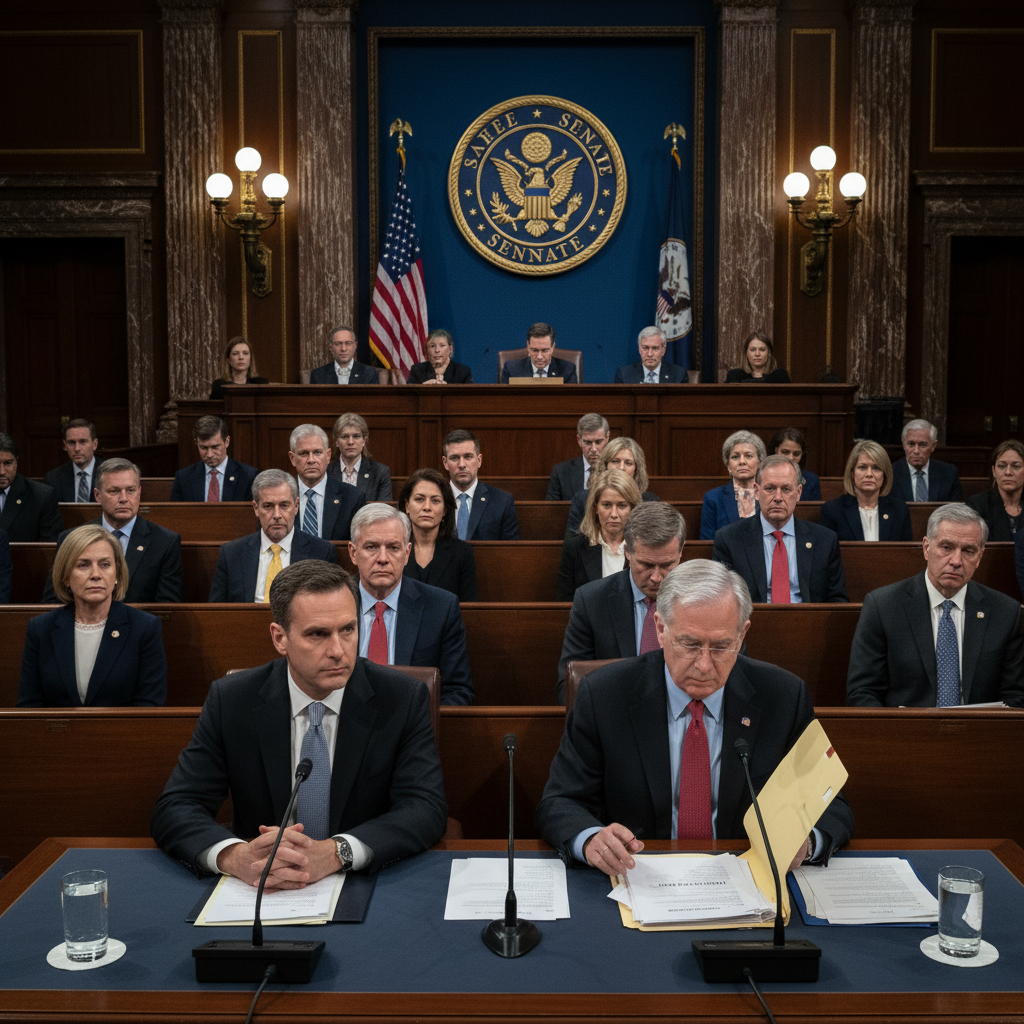
The Senate is faced with the complex challenge of confirming Kevin Warsh as the new chair of the Federal Reserve amid a historic criminal investigation into current Chair Jerome H. Powell. This investigation, launched by the Department of Justice, questions Powell’s management of a significant renovation at the Fed’s headquarters and his congressional testimony regarding the project’s details. Such unprecedented scrutiny raises concerns about the independence of the Federal Reserve amid political tensions, particularly with voices from the Trump administration displaying skepticism towards current Fed policies.
Background
The confirmation process for Federal Reserve nominees typically requires Senate committee hearings for rigorous vetting. Warsh’s nomination encountered immediate setbacks, particularly due to the ongoing investigation involving Powell, which has led Senate Democrats to call for a delay in confirmation hearings. This impasse emphasizes the political ramifications that investigations into Fed officials can have on prospective leaders and their ability to take charge amidst uncertainty.
Investigation into Federal Reserve Chair Jerome Powell
In late November 2025, prosecutors began investigating Powell concerning claims of misleading Congress during his discussions about the costly renovation project. The substantial financial implications of the renovation—over $2.5 billion—ignite scrutiny over his past statements and the project’s oversight. Powell claims the inquiry is politically motivated, linked to attempts from the Trump administration to influence Fed policy, particularly regarding interest rates.
Senate and Federal Reserve Institutional Responses
The responses from the Senate and the Federal Reserve reflect the severity of Powell’s investigation. Powell has framed the inquiry as a mechanism of political pressure from the Trump administration, emphasizing the importance of the Fed’s independence. Concern over this political interference has emerged from Senate Democrats, indicating a possible compromise of the Fed’s ability to operate freely, especially during critical nomination processes.
The Warsh Hearings
Despite the surrounding controversies, there appears to be a willingness among key Republicans to advance Warsh’s confirmation hearings to ensure Fed leadership continuity. His nomination is examined against a backdrop requiring the Senate to balance thorough vetting with the necessity of quick progression to maintain stability within the Federal Reserve. Expectations around these hearings include assessing Warsh’s approach to policy, leadership, and commitment to Fed independence.
Political Dynamics Affecting the Warsh Hearings
Political dynamics play a crucial role in Warsh’s confirmation process, particularly the ongoing investigation into Powell. Republican Senator Thom Tillis has linked his support for Warsh’s nomination to resolution of the inquiry, potentially stalling proceedings. Such political leverage demonstrates how confirmation processes can intertwine with broader political conflicts, further complicating the landscape for potential nominees.
Controversies and Key Concerns Driving the Hearings
The hearings for Warsh are markedly influenced by the ongoing investigation into Powell, potentially casting a shadow over validation of Warsh as a nominee. The investigation raises essential questions about oversight roles and political motivations that could compromise the Fed’s credibility. The Senate’s ability to ensure the integrity of the nomination process is crucial as scrutiny over the Federal Reserve and its leadership intensifies.
Implications of Kevin Warsh’s Potential Confirmation
Warsh’s anticipated confirmation will denote significant implications for U.S. monetary policy and the Federal Reserve’s future direction. Analysts suggest he may adopt a cautious approach to monetary policy, drawing from his previous experiences during economic turbulence. His perspective could influence the balance between fiscal and monetary responsibilities, shaping the Fed’s interactions with political entities in the long term.
Insights from Treasury Secretary Scott Bessent
Treasury Secretary Scott Bessent emphasized the importance of institutional integrity during discussions regarding the Warsh nomination. His thoughts spotlight the potential impact of the Powell investigation on the confirmation process and highlight necessary vigilance in maintaining the Federal Reserve’s independence despite external pressures. Such insights are vital as the Senate assesses how to proceed effectively with Warsh’s nomination amid the heightened political scrutiny.
Public and Media Responses
The public and media response to Powell’s investigation underscores increasing concerns about the political and operational independence of the Federal Reserve. Many view the scrutiny as a challenge to the institution’s ability to function without external bias, especially during critical transitions. This public discourse draws attention to the significance of the institution’s autonomy and the ramifications of political involvement in its strategic decisions.
Future Prospects and Long-Term Impact
Should Warsh be confirmed, his leadership could redefine the Federal Reserve’s approach to navigating economic pressures while preserving independence. Balancing monetary policies with external pressures will be a crucial part of his tenure, potentially setting benchmarks for future Federal Reserve operations in a complex economic landscape. Observers will closely monitor how Warsh harmonizes these interests while safeguarding institutional integrity and public confidence.
The content is provided by Sierra Knightley, 11 Minute Read


