
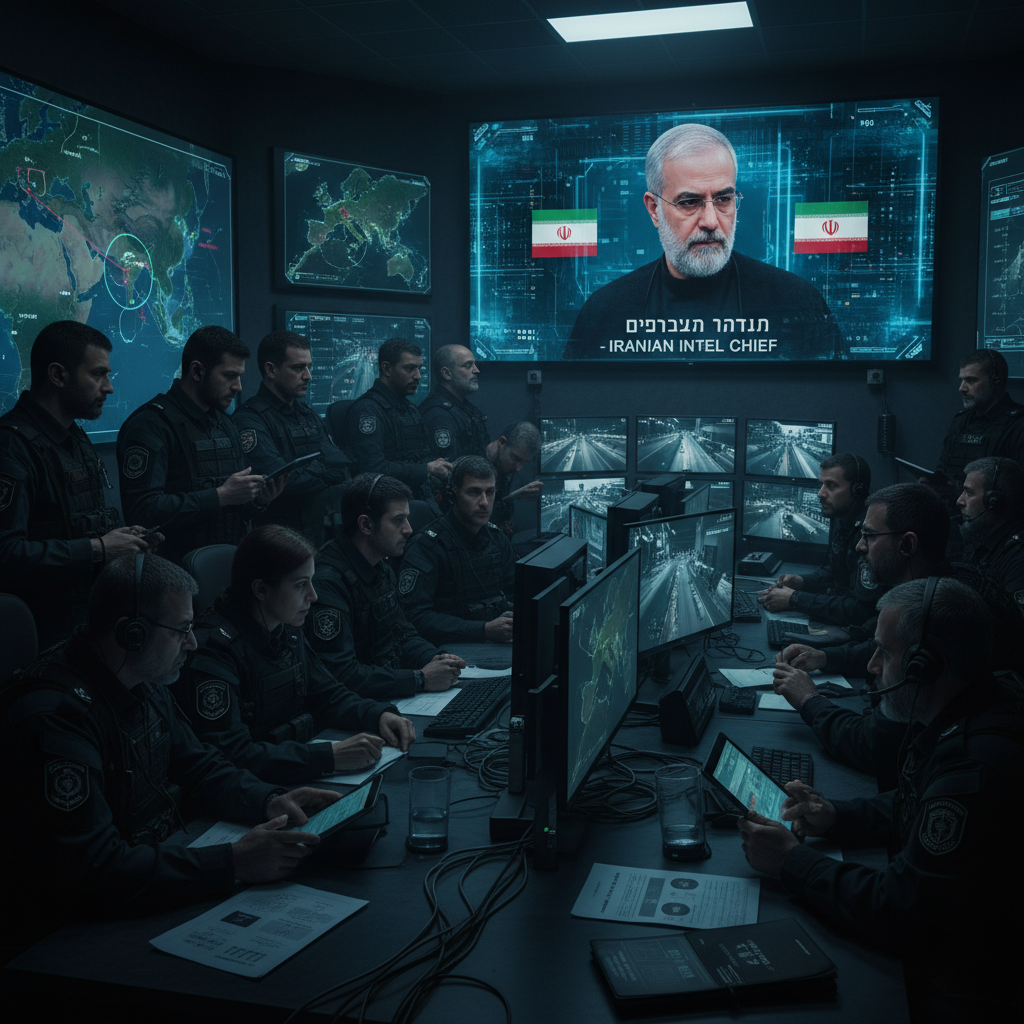
Recent Assassinations Overview
The targeted assassinations of three key Iranian officials by Israeli forces within 48 hours reflect a significant escalation in the ongoing conflict between Israel and Iran, particularly amid the broader conflict involving Hamas. This series includes the killing of Iran’s Intelligence Minister Esmail Khatib and high-ranking members of the IRGC, marking a concerted effort by Israel to disrupt Iranian leadership and paramilitary structures. These actions have heightened international concerns regarding the potential for increased regional instability.
Context of Escalating Conflict
The backdrop to these recent strikes includes heightened tensions following the outbreak of war between Israel and Hamas in October 2023. The conflict has prompted increased Iranian-backed attacks in retaliation, leading to extensive violence in the region. The rapid intensification of Israeli operations, specifically against high-profile Iranian figures, indicates a shift towards more visible and aggressive measures within its long-standing policy of targeted killings.
Details on Key Assassinations
Among the notable targets, Gholamreza Soleimani, head of the IRGC Basij militia, was eliminated in a precision airstrike alongside his deputy. This operation demonstrates Israel’s calculated approach to neutralizing figures integral to Iran’s paramilitary capabilities. Additionally, the assassination of Intelligence Minister Esmail Khatib, who played a key role in Iran’s internal security, signifies a direct attack on Iran’s intelligence framework and highlights the ongoing strategy of preemptive surgical strikes by Israel.
Strategic Execution of Strikes
The targeted strikes aimed to disrupt Iran’s missile capabilities and broader military infrastructure. Coordinated actions involve advanced technology and intelligence sharing with U.S. forces, showcasing an evolution in Israeli tactics—from utilizing drones to sophisticated algorithmic targeting methods. As these operations escalate, Israel seeks to counter perceived existential threats, while Iranian responses emphasize their commitment to retaliate and maintain regional influence.
Strategic Motivations
Israel’s motivations hinge on weakening Iran’s military and intelligence infrastructure to mitigate threats to its own national security. Besides immediate disruptions, these assassinations potentially serve as leverage to alter Iranian policies, particularly concerning its nuclear ambitions. Conversely, Iran interprets these targeted actions as blatant aggression, prompting vows of retaliation to assert their sovereignty and deter further Israeli operations.
International Reactions
The assassination of top Iranian officials has drawn widespread condemnation and alarm from global leaders, reflecting fears of escalating violence. Iran’s aggressive retaliatory actions against regional U.S. and Israeli interests underline the risks of broader conflict. Various governments, including Russia and China, articulated their concerns over violations of sovereignty, while international organizations call for restraint amidst warnings of humanitarian crises resulting from continued military actions.
Broader Implications
The targeted killings have profound implications for regional stability and the dynamics of Iran’s leadership. As internal security structures face upheaval, Iran’s ability to respond cohesively to Israeli provocations is challenged. Furthermore, these developments complicate ongoing diplomatic efforts, necessitating careful consideration of each party’s strategies that could either escalate tensions or provoke serious negotiations.
Ongoing Media Coverage
The media’s portrayal of these events emphasizes the sophisticated nature of Israeli operations, detailing technologies employed for intelligence gathering and targeting. Coverage has linked these assassinations to Israel’s historical practices while framing the current strikes against the backdrop of escalating Israeli-Iranian hostilities. This attention highlights the significance of these actions in the context of overall regional security and ongoing geopolitical considerations.
The content is provided by Avery Redwood, 11 Minute Read


