Summary of Legal Controversy
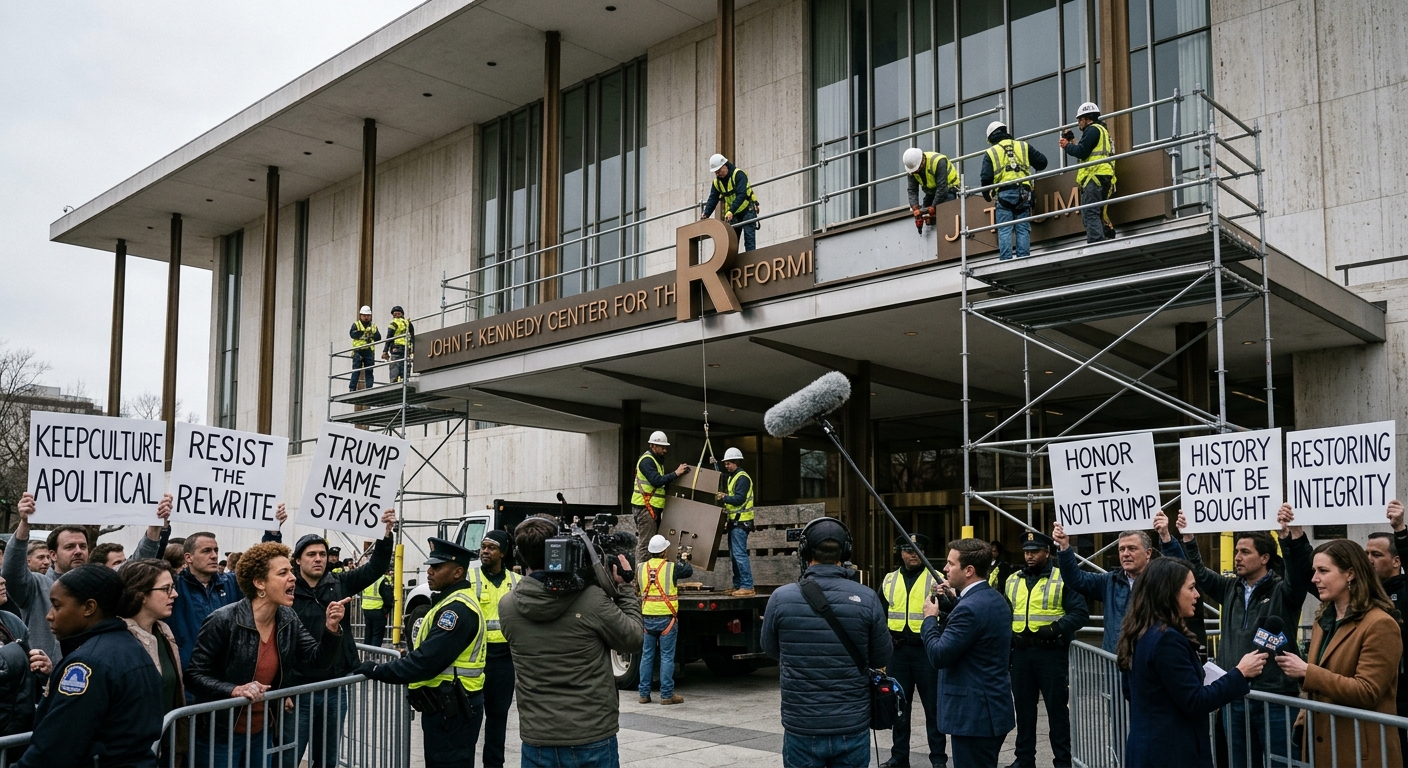
The removal of Donald Trump’s name from the John F. Kennedy Center for the Performing Arts sparked considerable legal and political debate in 2026. After the Kennedy Center’s board, appointed by Trump, renamed the institution without approval, a federal lawsuit was filed to challenge the decision. The court ruled that the name change was illegal, requiring the name removal within 14 days, and highlighted the need for congressional approval for such actions.
Impact of the Legal Ruling
In May 2026, Judge Christopher Cooper ordered the immediate removal of Trump’s name from all official materials, asserting that the Kennedy Center could only be renamed through Congress. This ruling not only affected the name but also prevented the center from closing for renovations, emphasizing transparency and legality in governance. The decision illustrated the court’s role in overseeing actions taken by federal institutions amidst political influences.
Board Restructuring and Reactions
The board’s decision to include Trump’s name was viewed as a self-serving act driven by loyalty rather than public interest. Critics and supporters debated the implications of the name change on the Kennedy Center’s identity, since it serves as a national cultural landmark. The board planned to appeal the ruling while also indicating the urgency of securing renovation funding that had been authorized during Trump’s administration.
Legal Proceedings and Court Orders
The legal trajectory began with Representative Joyce Beatty filing a lawsuit contesting the renaming and proposed renovations, arguing these actions did not serve the institution’s best interests. Despite the board’s attempts to halt the judge’s order, the appellate court upheld the removal decision, confirming that compliance was mandatory. This ongoing legal battle highlighted the procedural intricacies involved in managing federally designated cultural institutions.
Reactions from Stakeholders
Responses to the court’s order varied, with board members committed to retaining Trump’s name amid significant opposition. Critics condemned the prior renaming as politically motivated, emphasizing the need for accountability in governance. Public discussions reflected the contentious nature of the issue, revealing a divide on how cultural memorials should honor contributions and maintain integrity.
Legal and Political Implications
The attempt to rename the Kennedy Center raised concerns about executive influence on federally chartered institutions. The court’s ruling reinforced that changes to the center’s name required congressional action, limiting unilateral decisions by the board. This case illustrated broader issues regarding the intersection of politics and cultural governance, as well as the potential financial repercussions tied to the institution’s naming rights.
Ongoing Developments
As discussions around the ruling continue, the court’s decision remains in effect, mandating the removal of Trump’s name while reinforcing the guidelines that govern cultural institutions. The situation is poised for further developments, as the future of the Kennedy Center’s branding and operations hangs in the balance in light of ongoing legal challenges.
The content is provided by Harper Eastwood, 11 Minute Read