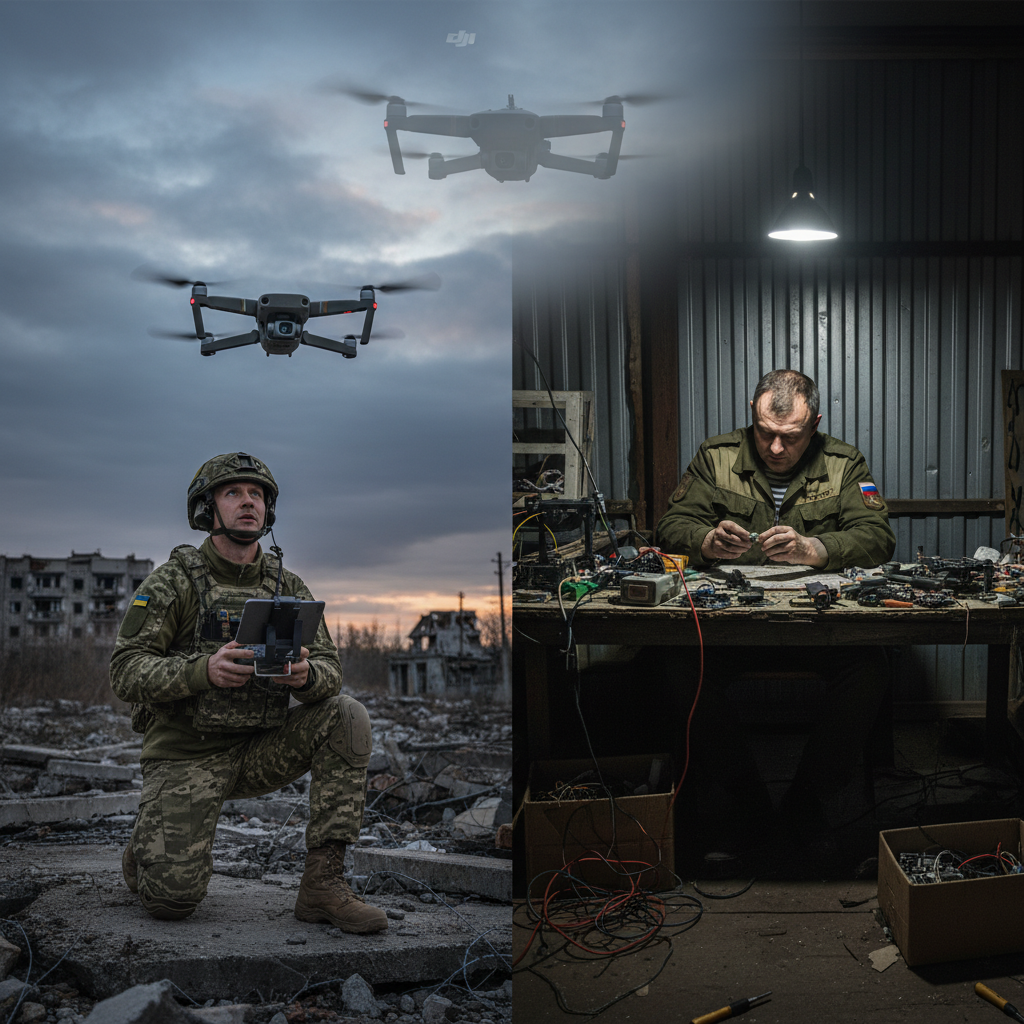
Summary
Unveiling the Hidden Connection: How Ukraine and Russia Both Depend on the Same Key Chinese Drone Suppliers examines the paradoxical reliance of both Ukraine and Russia on Chinese drone manufacturers amidst their ongoing conflict. Both nations utilize commercial drones from firms like DJI for crucial operations, despite sanctions and export restrictions. Ukrainian forces adapt drones like the DJI Mavic series for surveillance and attack, while Russia procures drone components through complex networks to sustain its military efforts. This shared dependency raises concerns about international regulations and the ethics of drone technology in warfare.
Background
The Ukraine-Russia conflict has highlighted the strategic importance of drone technology, particularly those sourced from China. Ukrainian forces utilize cost-effective drones for reconnaissance and strikes, demonstrating their adaptability on the battlefield. While Ukraine is increasingly building its local drone production capabilities, it continues to rely on essential components from Chinese suppliers, revealing a need for greater technological independence. Conversely, Russia also leans on Chinese drones and parts, complicating the enforcement of sanctions aimed at these exports.
Chinese Drone Manufacturers and Suppliers
China dominates the commercial drone market, with companies such as DJI leading in technology and market share. Despite an official sales ban to combatants, DJI products still reach both Ukraine and Russia through intermediary networks, reflecting a challenging landscape for adherence to export regulations. Ukraine’s drone manufacturers heavily depend on Chinese components, while Russian firms utilize Chinese technology and parts for military applications. This interdependence raises questions about the effectiveness of sanctions on dual-use technology and the implications for both nations’ military capabilities.
Supply Chains and Distribution Networks
Drone supply chains between Ukraine and Russia are intricate and predominantly reliant on Chinese components. Despite sanctions, dual-use manufacturers play a vital role, and the opacity of export data complicates enforcement efforts. Both countries utilize third-party nations to repackage and distribute drone components, making it challenging to trace origins. Ukraine has initiated measures to bolster local production while navigating the complexities of reliance on Chinese technology, illustrating the ongoing struggle for self-sufficiency in drone production.
Operational Use and Tactical Impact
Drone technology has transformed military operations in the conflict, with both sides employing Chinese-manufactured drones for tactical advantages. Ukraine’s use of commercially available drones enhances its operational effectiveness against Russian forces, compensating for its smaller air fleet and allowing precise strikes at lower costs. However, Ukraine’s reliance on Chinese components undercuts its operational flexibility, reinforcing the need for domestic innovation to mitigate vulnerabilities while navigating the complexities of integrating these technologies into battlefield settings.
Political, Economic, and Geopolitical Implications
Both Ukraine and Russia’s reliance on Chinese drone technology heavily influences their political and economic dynamics amidst the conflict. China’s perceived neutrality masks a strategic advantage, as it indirectly supports Russia’s military efforts while managing its international image. Economically, China’s dominance enables it to wield significant influence over both countries. This situation complicates Western efforts to impose sanctions, highlighting the intricate geopolitical landscape that underscores the conflict’s development.
Controversies and Ethical Considerations
The collaboration between Russian military manufacturers and Chinese suppliers raises ethical dilemmas regarding accountability and the implications of foreign involvement in the conflict. Reports hint at a deeper entanglement between the two nations, questioning China’s neutrality despite its claims of responsible export practices. This dynamic brings to light the challenges in regulating dual-use technologies and the international community’s responsibility to address such complexities in modern warfare.
Future Prospects and Developments
Chinese drone involvement in the region remains significant, with ongoing collaborative efforts to innovate drone technology despite existing sanctions. The entrenched supply chains are likely to persist as intermediaries adapt to restrictions, making enforcement of sanctions increasingly challenging. Ukraine’s efforts to boost domestic production face hurdles but illustrate an evolving strategy to reduce dependency on Chinese technology. The complex interplay of these factors will shape the conflict’s trajectory and the future of drone warfare in the region.
The content is provided by Sierra Knightley, 11 Minute Read